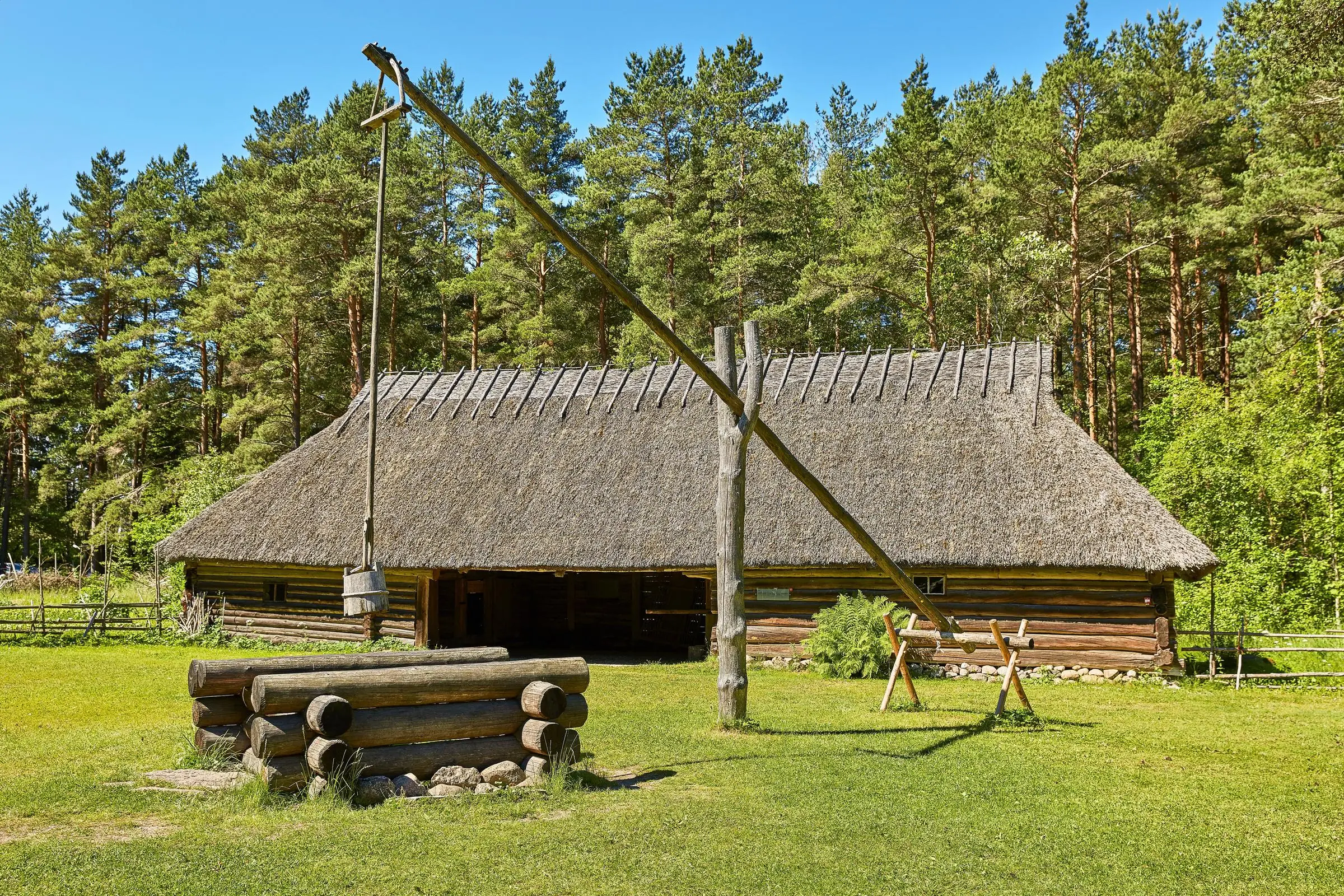
Located a 15-minute drive west of central Tallinn, the Estonian Open Air Museum (Eesti Vabaõhumuuseum) sits on a forested peninsula along the Rocca al Mare coastline. Instead of glass display cases, this 79-hectare preservation field uses full-scale, relocated historical buildings to demonstrate how rural Estonians lived from the 18th to the 20th centuries.
The site is massive. It is organized into distinct regional villages (Western, Northern, Southern, and the Islands), complete with farmsteads, a church, a schoolhouse, mills, and a functioning tavern. Because the museum is spread out over dirt paths and forest trails, visiting requires a bit of planning, comfortable shoes, and an understanding of the local transit loops.
Who Should Visit (and How to Plan)
The sheer size of the museum means different travelers need different strategies.
- Families: The open space is ideal for children who need to burn off energy. There are farm animals (horses, sheep, goats) scattered throughout the farmsteads, and the paths are generally wide enough for sturdy strollers. If you are traveling with kids, focus your time on the central village square and the Kolu Inn, where you can easily access restrooms and food.
- Time-Poor Travelers: If you only have two hours, do not try to walk the entire perimeter. Stick to the Northern and Western farmsteads near the entrance. You can see the Kuie Schoolhouse, the Sutlepa Chapel, and grab a quick meal at Kolu Inn without venturing deep into the forest.
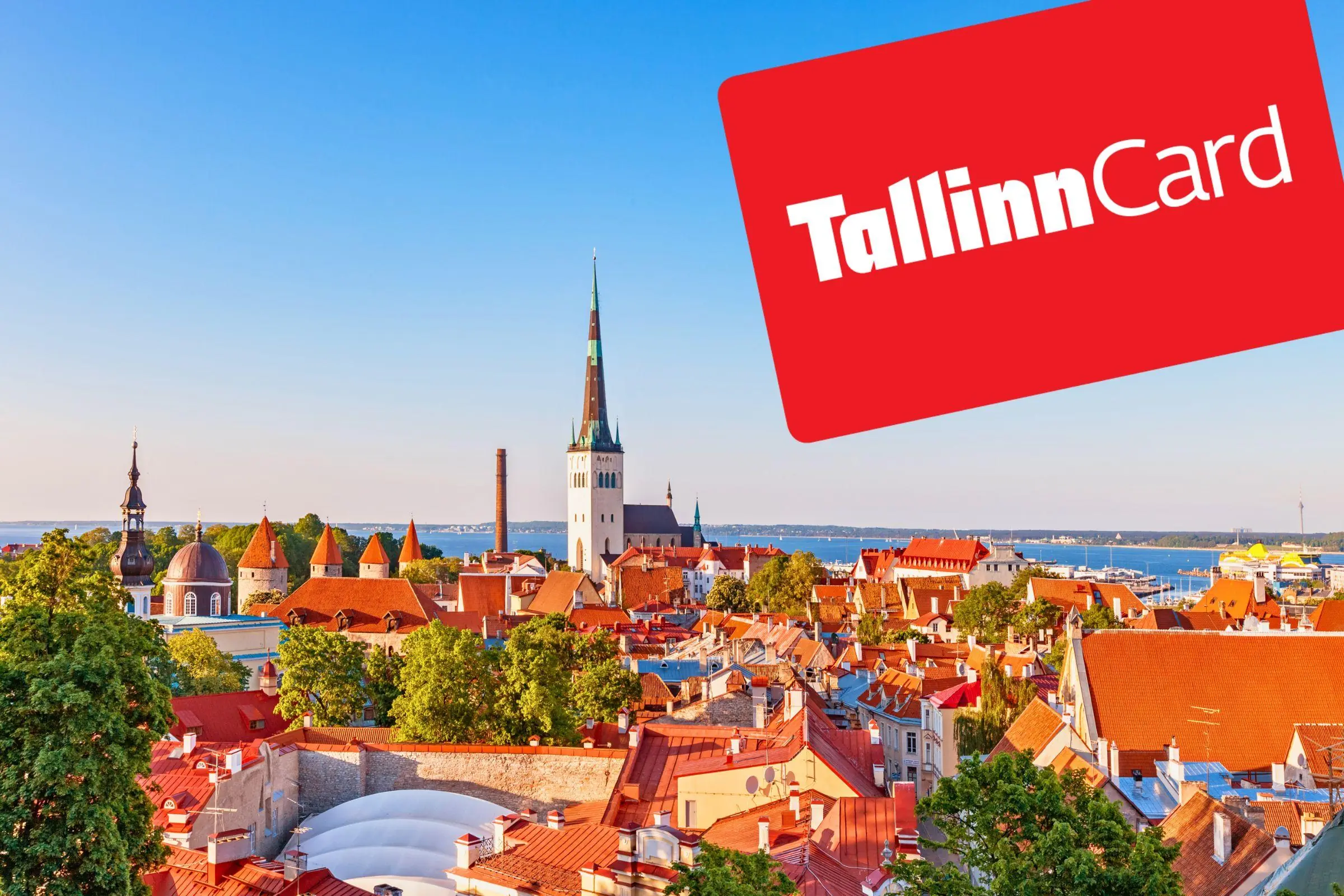
- Budget Travelers: The entry fee is standard for European museums, but the most cost-effective way to visit is by using the Tallinn Card. This pass covers your museum admission and, crucially, gives you free access to the public buses required to get out to Rocca al Mare.
Weather Warning: This is an outdoor attraction right on the Baltic coast. The wind off the Kopli Bay can drop the temperature significantly compared to the city center. Bring an extra layer, even in summer, and wear shoes suitable for unpaved, sometimes muddy, forest paths.
5 Architectural Highlights: A Deep Dive
The museum contains nearly 80 buildings, but these five structures offer the most insight into Estonia’s rural engineering and daily life.
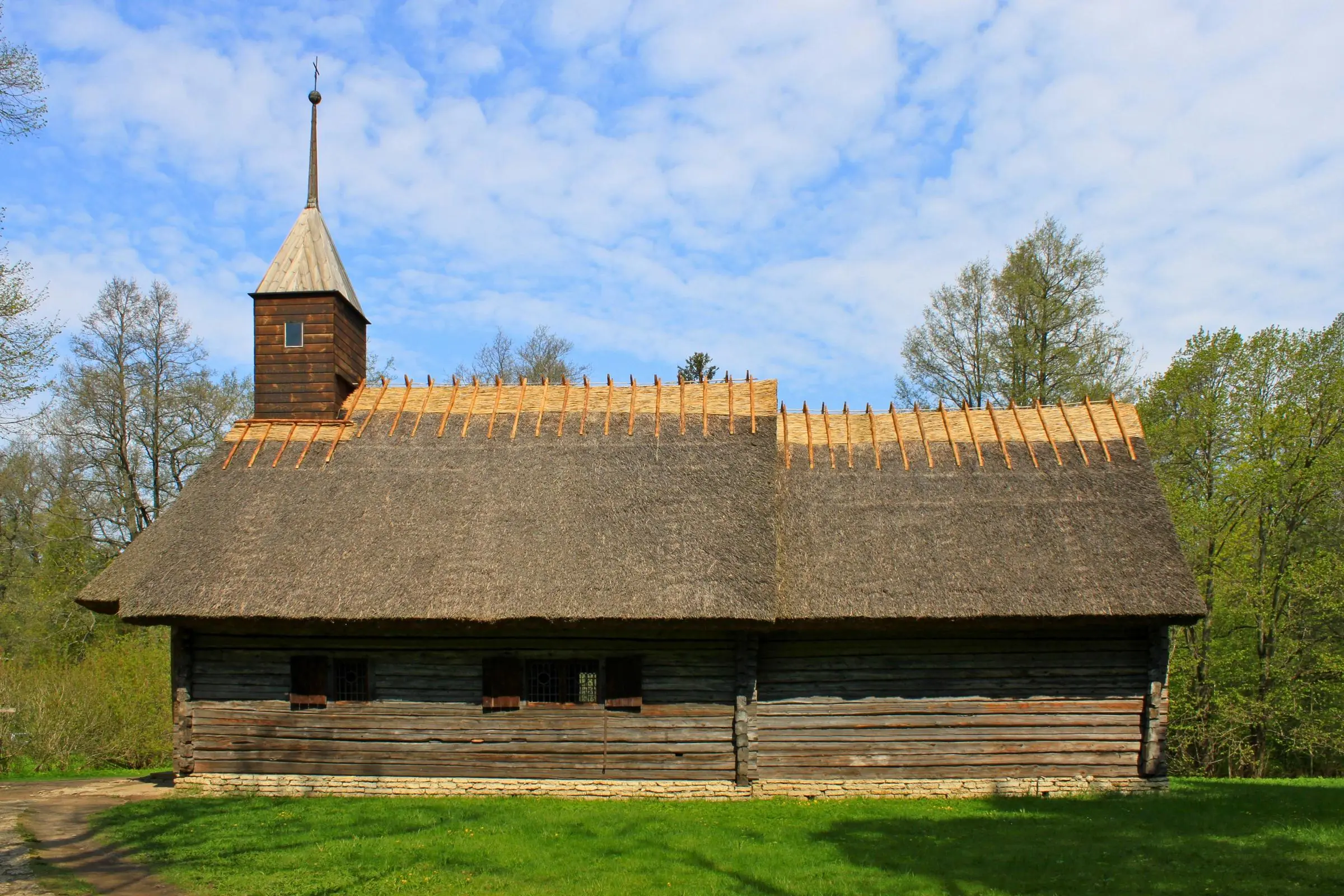
1. Sutlepa Chapel (Timber Architecture)
Relocated from the Noarootsi peninsula, the Sutlepa Chapel is one of the oldest wooden buildings in Estonia, dating back to 1699. It reflects the heritage of the Estonian Swedes who populated the coastal areas. The architecture is stark and practical: rough-hewn pine logs, a simple shingled roof, and a distinct lack of ornate decoration. Inside, the rustic wooden pews and the hand-painted altar showcase the austere religious life of 17th-century coastal communities. The chapel is still consecrated, and services are occasionally held here on major holidays.
2. Kuie Schoolhouse (19th-Century Layouts)
Built in 1887 in Järva County, the Kuie Schoolhouse represents the era of the Tsarist Russification period, though the layout is distinctly Estonian. The building served a dual purpose: a classroom for local farm children and living quarters for the schoolmaster. The classroom itself is preserved with heavy wooden desks, slate boards, and a harmonium. Notice the strict spatial division between the cramped, functional student area and the slightly more comfortable, private rooms of the teacher. It provides a clear look at the rural education system before Estonia’s independence.
3. Netted Thatched-Roof Windmills
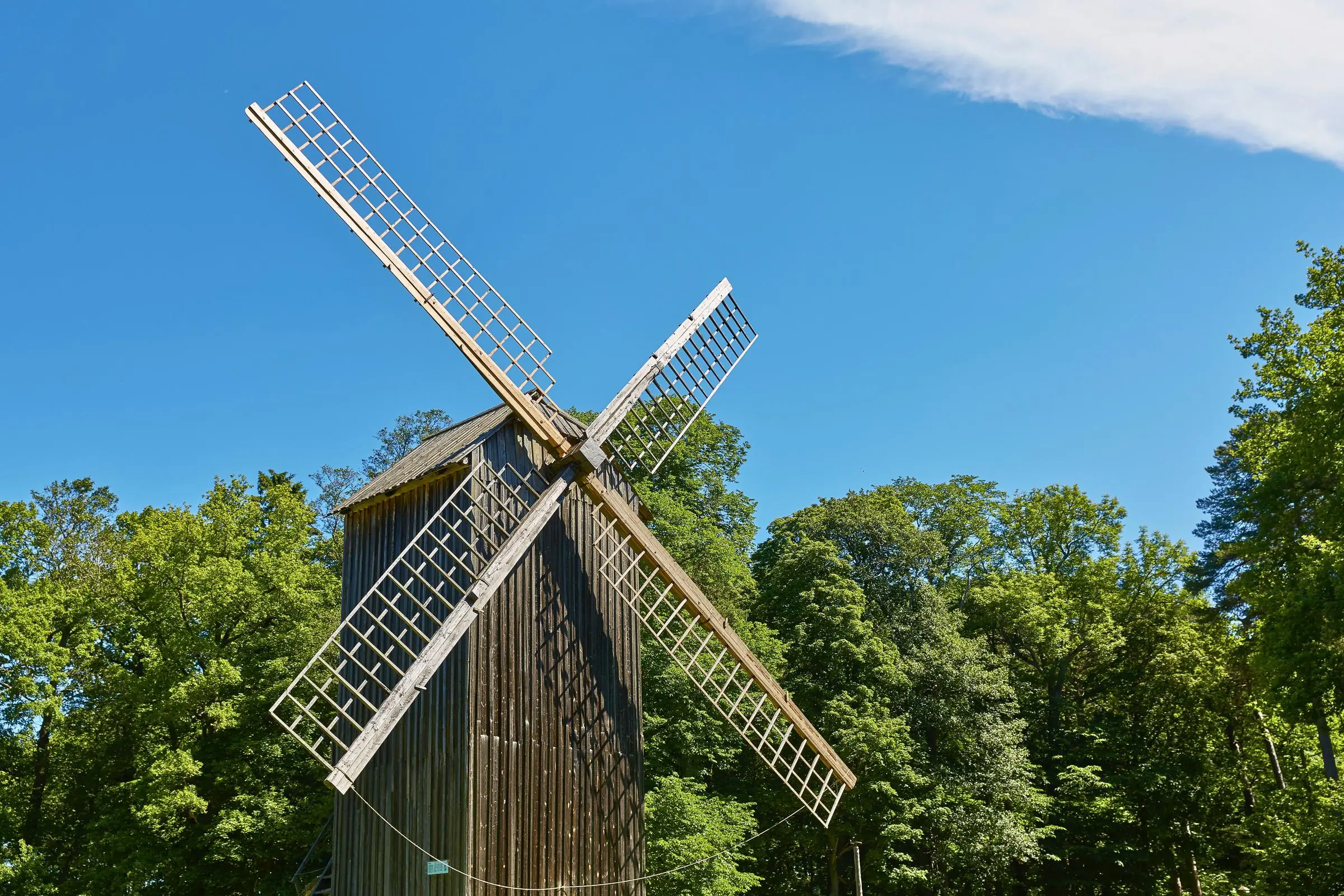
Estonia’s flat landscape made windmills essential for grinding grain. The museum features several, including the prominent Nätsi windmill (a wooden post mill where the entire body rotates to catch the wind) and larger smock mills. Pay close attention to the roofing. Many of these structures feature thick thatched roofs held down by a network of wooden poles or heavy netting. This engineering technique was necessary to prevent the fierce coastal winds from tearing the thatch away during autumn storms.
4. Historic Fishing Village Smoke Saunas
Before modern chimneys, Estonians used smoke saunas (suitsusaun). The museum features excellent examples from the Seto and Peipsi-Russian regions. These small, low-slung log cabins were heated by a large stove with no chimney; the smoke simply filled the room, heating the stones and the walls, before being vented out through a small hatch or the open door just before bathing. The walls inside are permanently blackened by centuries of soot. Beyond hygiene, these saunas were sterile environments used for curing meat and even childbirth.
5. Kolu Inn (Culinary Tavern)
Situated near the center of the museum, the Kolu Inn (Kolu kõrts) is a mid-19th-century roadside tavern relocated from Harju County. Historically, these inns were vital communication hubs and resting stops for peasants traveling to the city markets. Today, it operates as the museum’s primary restaurant. The architecture features a massive central stable area (now used for large dining groups) flanked by smaller rooms for travelers.
What to eat at Kolu Inn: Skip the generic snacks and order traditional Estonian peasant food. Try the mulgipuder (a hearty mash of potatoes and groats topped with bacon), dark rye bread with salted herring, or kama (a traditional dessert made from roasted legume and grain flour mixed with kefir or buttermilk).
Standalone Entry vs. Guided Tours
You can easily explore the museum on your own, but the lack of dense informational plaques means you might miss the historical context of the architecture. Here is how the entry options compare.
Tallinn Card
- Includes museum admission.
- Includes free public bus transit to Rocca al Mare.
- Self-paced; explore the 79 hectares on your own schedule.
- Best for budget travelers and families.
Private Guided Tour
- Skip-the-line entry included.
- Dedicated local guide explaining the architectural nuances.
- Contextualizes the history of the Estonian Swedes and Seto people.
- Best for history enthusiasts wanting detailed explanations.
Cultural VIP Tour
- Includes transportation from your hotel.
- Highly personalized cultural deep-dive.
- Often includes traditional food tastings.
- Best for travelers with no budget constraints wanting seamless logistics.
During major Estonian holidays—specifically Midsummer (Jaanipäev) in late June and Shrove Tuesday (Vastlapäev) in February—the museum hosts massive traditional festivals. These are excellent times to visit, but the site gets crowded. If you plan to visit during these events, secure your Tallinn Card or standalone tickets in advance to avoid the entry queues.
Logistics: The Bus Transit Loops
Getting to the museum requires a basic understanding of Tallinn’s public transport network, specifically the bus loops that service the western suburbs.
Getting There: The most direct route from the city center is Bus 21 or Bus 21B. You can catch these buses from the Balti Jaam Market transit hub or from Freedom Square (Vabaduse väljak).
- Ride the bus until the Vabaõhumuuseum stop. The bus drops you off right at the main gates.
Getting Back (The Loop Rule): Do not wait at the same stop for Bus 21 to take you back to the city. Because the route is a large loop, Bus 21 continues further away from the city before eventually circling back.
- To return to the city center quickly, cross the street from the museum entrance and catch Bus 41 or Bus 41B. These buses run the loop in the opposite direction and will take you straight back to Balti Jaam and the city center.
Alternative Transit: If you prefer not to navigate the public bus system, the City Sightseeing Hop-On Hop-Off Bus includes the Open Air Museum on its Red Route. This is a convenient option if you are stringing together several attractions in one day, though it runs less frequently than the public buses.
Keep Planning: If you are using the buses from Balti Jaam, consider exploring the nearby Kalamaja Neighborhood or the Telliskivi Creative City for dinner after your museum visit.
Where to Stay for Easy Access
If you plan to spend a lot of time exploring the western coastline (including the museum, the zoo, and the Rocca al Mare promenade), staying near the Balti Jaam transit hub in Kalamaja or the western edge of the Old Town makes the bus commute incredibly easy.
Frequently Asked Questions
How much time do I need to visit the Estonian Open Air Museum?
You should allocate an absolute minimum of 2 hours just to see the central highlights like the Kuie Schoolhouse and Kolu Inn. To walk the entire 79-hectare site and see the regional villages, plan for 4 to 5 hours.
Are the buildings open to go inside?
Yes, during the main summer season (May to September), most of the historic buildings are open, and museum staff dressed in period clothing are stationed inside to answer questions. During the winter season, you can still walk the grounds, but many building interiors are closed.
Is the museum wheelchair and stroller accessible?
The museum is generally accessible, but keep in mind that the paths are unpaved dirt and gravel. They can become muddy after heavy rain. While you can navigate the grounds with a sturdy stroller or wheelchair, entering the historic buildings often requires navigating high wooden thresholds and narrow doorways.
Can I bring my dog to the Open Air Museum?
Yes, dogs are allowed on the museum territory provided they are kept on a leash at all times. However, dogs are not permitted inside the historic buildings, the Kolu Inn, or the farmyards where the museum’s livestock are kept.
Is there food available other than the Kolu Inn?
Kolu Inn is the only full-service restaurant on the grounds. However, during the peak summer months, there is often a small shop near the entrance selling ice cream, drinks, and light snacks. You are also welcome to bring your own food and use the designated picnic areas along the coastline.
Does the Tallinn Card cover the entrance fee?
Yes, the Tallinn Card covers full admission to the Estonian Open Air Museum, as well as the public buses (21, 21B, 41, 41B) needed to travel there from the city center.