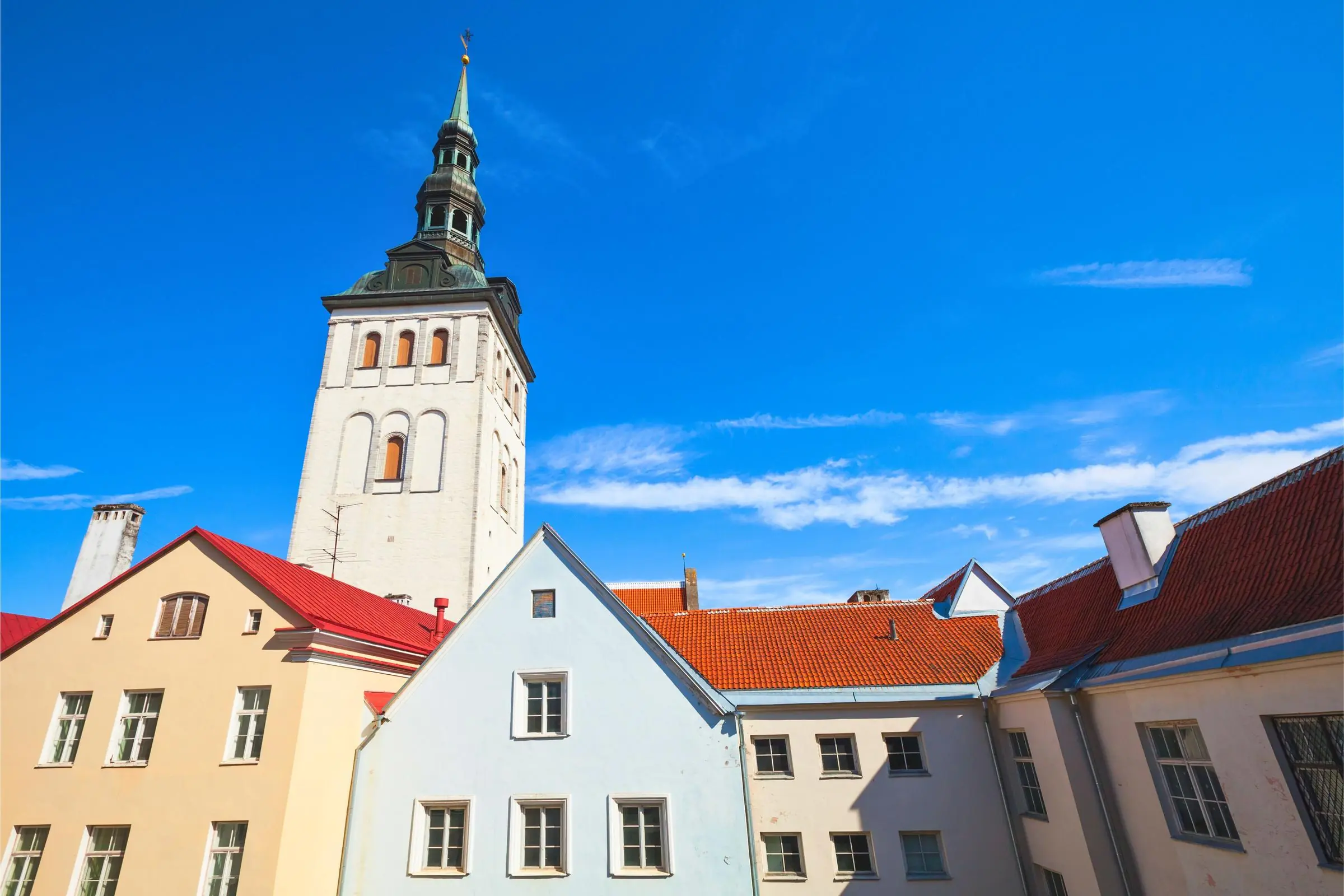
St. Nicholas Church (Niguliste kirik) is not a functioning place of worship. After being severely damaged during the Soviet bombing of Tallinn in March 1944, the 13th-century building was meticulously reconstructed over several decades. Today, it operates as the Niguliste Museum, a branch of the Art Museum of Estonia, dedicated entirely to ecclesiastical art.
If you are interested in medieval history, this building holds the country’s most significant surviving artifacts. It also solves one of Tallinn’s biggest accessibility problems: getting a high-altitude view of the Old Town without climbing hundreds of steep, uneven stone steps. Thanks to a recent architectural renovation, a glass lift now glides straight up through the medieval spire.
This guide breaks down exactly how to tackle the museum, focusing on its five major highlights, how to avoid the cruise ship crowds, and whether you should buy a standalone ticket or use a city pass.
Is Niguliste Museum for You?
Because this is an art museum rather than a traditional church, it appeals to different travelers in different ways.
- Time-Poor Travelers: You can see the main highlights—the Dance of Death painting and the observation deck—in about 45 minutes. If you are rushing through the city, this is one of the most efficient stops for high-yield history and panoramic views.
- Families with Kids: Medieval ecclesiastical art can be dry for young children, but the spooky, skeletal figures in the Dance of Death usually hold their attention. The real draw for families is the glass lift ride up the tower, which feels like a mild theme park attraction hidden inside a church.
- Budget Travelers: Standalone entry is relatively steep for a single museum (around €14). If you plan to visit other major sites like Kiek in de Kök or the Seaplane Harbour, you will save money by bundling this into a Tallinn Card.
- Mobility-Impaired Travelers: This is the only medieval tower in Tallinn with an elevator. If you cannot climb the stairs at St. Olaf’s Church or the Town Hall Tower, this is your best option for skyline views.
Deep Dive: 5 Interior Highlights
The museum is laid out intuitively, but it helps to know what you are looking at. The artifacts here survived the 1944 bombing largely because they were evacuated from the city beforehand.
1. Bernt Notke’s Dance of Death (Danse Macabre)
Located in the Antonius Chapel, this late-15th-century painting by Lübeck master Bernt Notke is the museum’s crown jewel. It is the only surviving medieval Dance of Death painted on canvas in the world.
Originally stretching nearly 30 meters, only the first 7.5 meters survive today. The painting depicts a skeletal figure of Death leading a chain of people—starting with the Pope, the Emperor, the Empress, the Cardinal, and the King. The message is a classic medieval memento mori: regardless of your earthly wealth or status, death comes for everyone.
Viewing Tip: The painting is displayed behind protective glass in a climate-controlled, dimly lit room. To avoid glare in your photographs, press your camera lens directly against the glass (gently) or wear dark clothing to minimize your own reflection.
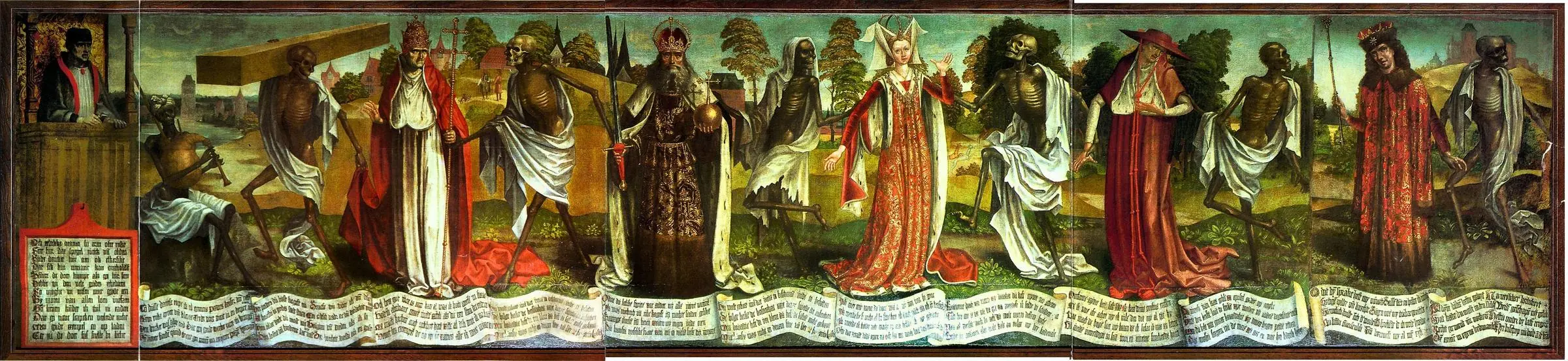
2. The High Altar Retable of Hermen Rode
Dominating the main choir is the massive, double-winged high altar retable, completed in 1481 by another Lübeck master, Hermen Rode. It is one of the largest and best-preserved late medieval altarpieces in northern Europe.
The altar features intricate wooden carvings of over 40 saints, heavily gilded and painted. What makes it unique is its mechanical design: it has multiple sets of wings that were historically opened or closed depending on the liturgical calendar.
Local Timing: The museum keeps the altar in its “half-open” state most of the year. However, on special occasions (like St. Nicholas Day on December 6th), they fully open the inner wings to reveal the most elaborate carvings.
3. The Silver Chamber (Treasure Vault)
Tucked away in the former vestry is the Silver Chamber. This vault houses the silver collections of the town’s historic guilds, including the Brotherhood of Blackheads (a guild of unmarried merchants).
The craftsmanship here is highly detailed. Look for the ceremonial drinking vessels shaped like animals and the intricate “parrot shooting” trophies—silver birds awarded to the winner of the guilds’ annual archery competitions. The room is small and heavily secured, so if a large guided tour group is inside, wait five minutes for them to clear out before entering.
4. The Glass Lift Architecture
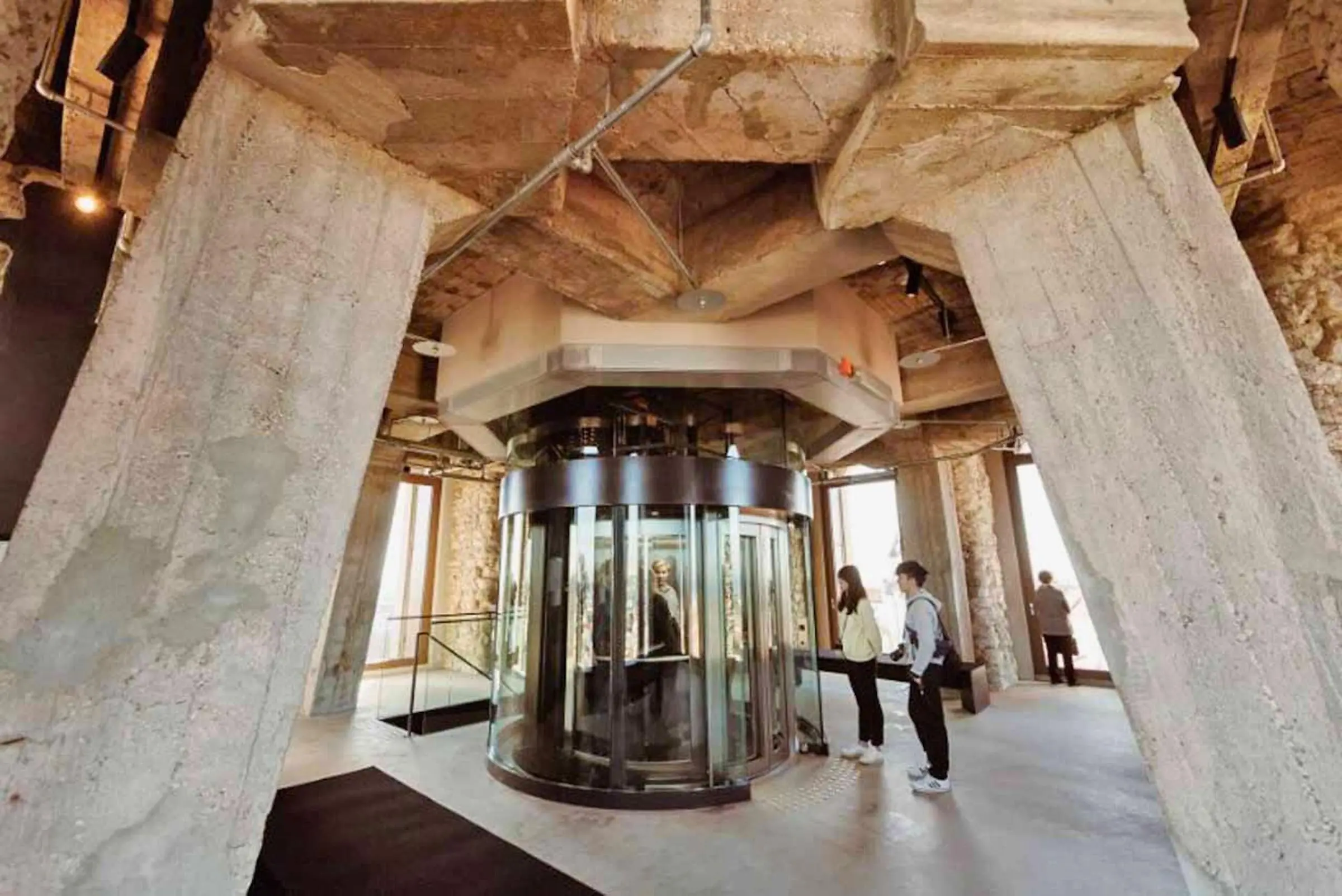
In 2023, the museum completed a massive engineering project: installing a modern, transparent elevator inside the historic church tower.
The lift shaft is a freestanding steel structure that does not touch the medieval walls, preserving the building’s integrity. As you ride up, the glass walls allow you to see the internal brickwork, the massive wooden support beams, and the historic church bells. It is a brilliant juxtaposition of 21st-century engineering and 13th-century masonry.
The glass lift holds a limited number of people per trip. During peak summer months (July and August), you may have to wait 10–15 minutes in line at the base of the tower.
5. The Spire Observation Deck
The lift deposits you at the Sky Deck, located just below the spire’s peak. Unlike the open-air, wind-whipped viewing platforms at other churches, this deck is enclosed, making it comfortable even in the dead of winter.
You get a 360-degree panoramic view of Tallinn. To the north, you can see the Gulf of Finland and the passenger ferries; to the south, the red roofs of the Old Town and the modern skyscrapers of the business district. It provides a much clearer layout of the city’s medieval walls than you get from the Toompea viewpoints.
Ticketing and Pass Structures
You have two main options for entering the Niguliste Museum: buying a standalone ticket at the door or using a city pass.
Standalone Museum Ticket
- Access to all museum exhibits
- Includes the glass lift and observation deck
- Purchased directly at the museum counter
- Best if this is the only museum you plan to visit
Tallinn Card
- Includes Niguliste Museum and the Glass Lift
- Free entry to 50+ other museums (including Seaplane Harbour and Kiek in de Kök)
- Unlimited free public transport
- Pays for itself if you visit 3 or more attractions in 24 hours
If you are spending at least two days in the city and plan to visit the major historical sites, the Tallinn Card is the most cost-effective route. You simply scan the card at the Niguliste ticket desk and walk right in.
Logistics and Transit
Niguliste Museum is located in the lower part of the Old Town, making it highly accessible compared to the steep inclines of Toompea Hill.
- Address: Niguliste 3, 10146 Tallinn.
- By Tram: Take Tram 1, 2, 3, 4, or 5 to the Vabaduse väljak (Freedom Square) stop. From there, it is a flat, 5-minute walk down Harju street.
- By Bus: Multiple buses stop at Vabaduse väljak, including lines 5, 18, 36, and 73.
- Accessibility: The ground floor of the museum is fully wheelchair accessible, as is the glass lift to the observation deck. However, the Silver Chamber involves a few steps, and some of the side chapels have uneven historic flooring.
Local Tips for Your Visit
1. Time your visit around the cruise ships. In the summer, large groups from Baltic cruise ships descend on the Old Town between 10:30 AM and 1:30 PM. To experience the Dance of Death without being jostled, arrive right when the museum opens at 10:00 AM, or wait until after 3:00 PM when the groups head back to the port.
2. Check the organ concert schedule. The acoustics in the main hall are exceptional. The museum frequently hosts half-hour organ concerts on weekends (usually Saturdays and Sundays at 4:00 PM). These are typically included in the price of your admission ticket. Sitting in the pews while the massive organ plays is the closest you will get to experiencing the building’s original atmosphere.
3. Combine it with a wider historical tour. Because Niguliste lacks extensive text plaques explaining the broader context of the Hanseatic League and medieval Tallinn, it pairs perfectly with a guided walking tour of the Old Town. A good guide will explain why these merchants were rich enough to commission such massive altars before you go inside.
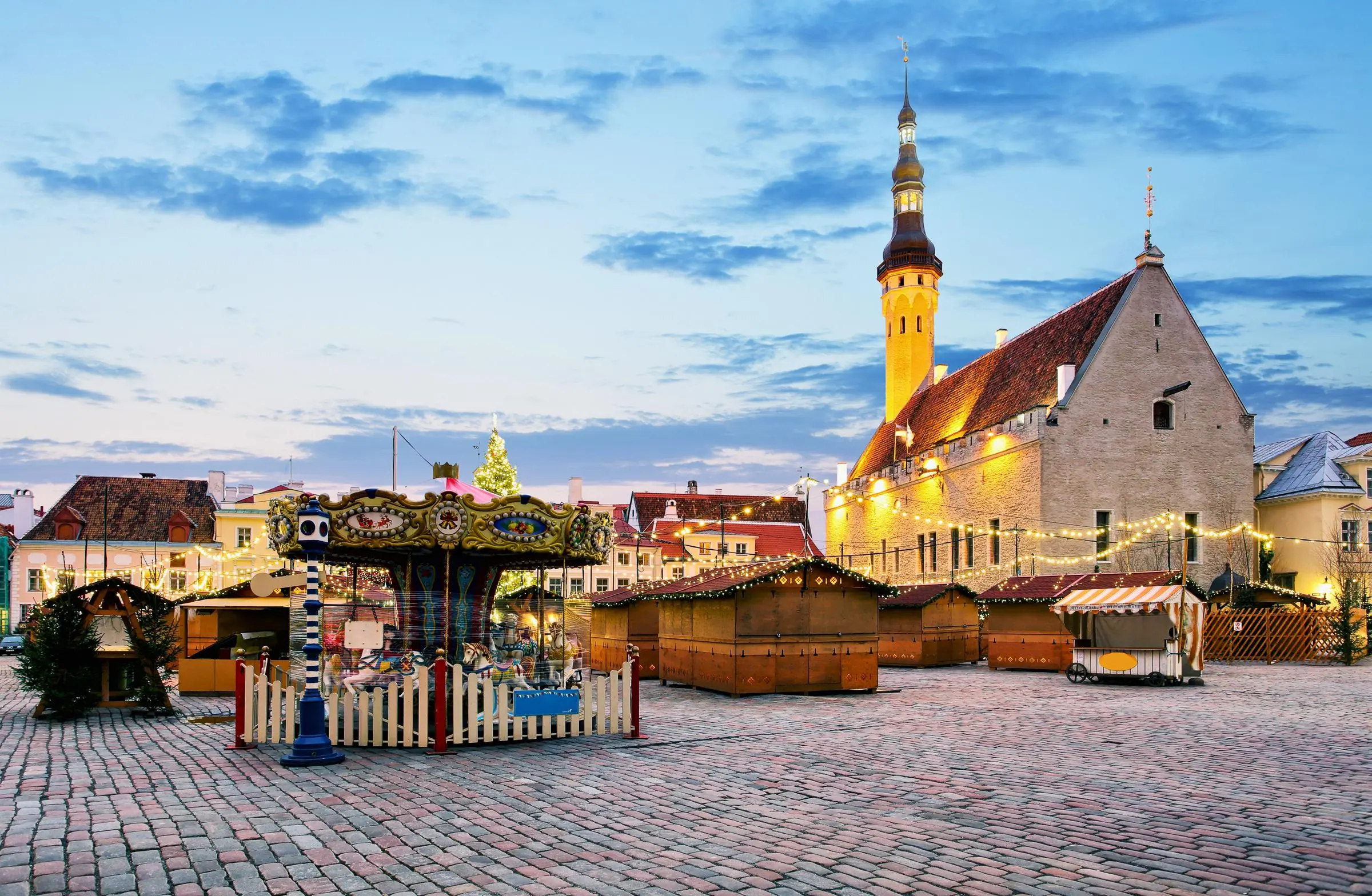
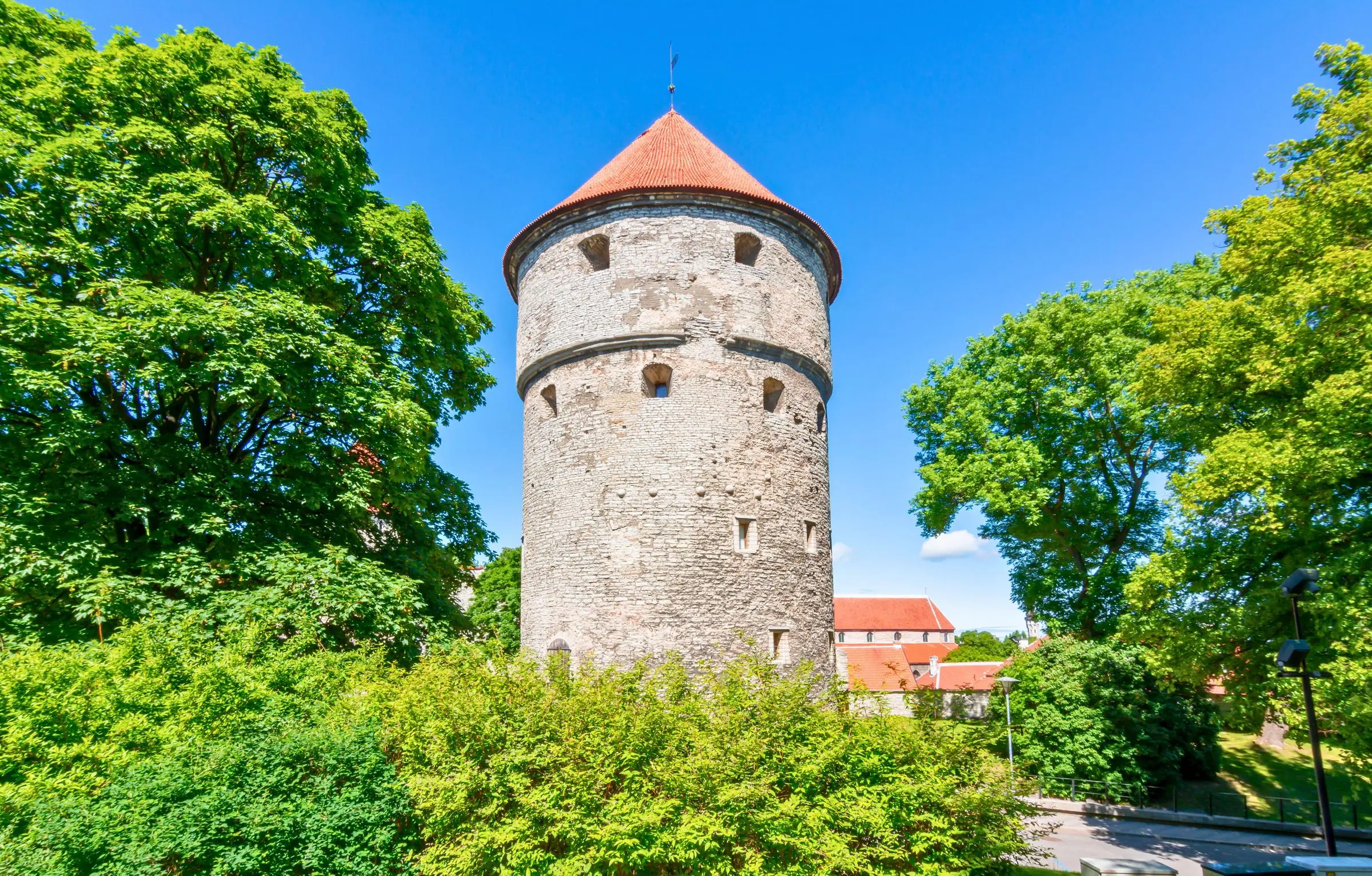
Keep Planning: After visiting Niguliste, you are just a two-minute walk from Town Hall Square. If you want to continue exploring medieval defenses, head up the hill to the Kiek in de Kök Fortifications Museum.
Frequently Asked Questions
Is Niguliste Museum a working church?
No. It was deconsecrated after World War II. Today, it is strictly a museum operated by the Art Museum of Estonia, though it does occasionally host secular concerts and choir performances due to its acoustics.
How long does it take to visit?
Most visitors spend about 45 minutes to an hour here. This gives you enough time to view the Dance of Death, inspect the High Altar, visit the Silver Chamber, and take the lift up to the observation deck.
Is the glass lift included in the standard ticket?
Yes, access to the glass lift and the Sky Deck is included in both the standard standalone museum ticket and the Tallinn Card. There is no separate fee.
Can I take photographs of the Dance of Death?
Yes, photography is allowed throughout the museum, including in the Antonius Chapel where the painting is kept. However, you must turn off your flash, as the UV light damages the 15th-century pigments.
Is the observation deck open in winter?
Yes. Unlike the tower at St. Olaf’s Church (which closes in the winter due to ice and safety hazards on the stairs), the Niguliste Sky Deck is fully enclosed and climate-controlled, making it accessible year-round.
Are there guided tours available inside the museum?
The museum itself occasionally offers guided tours, which you can book in advance on their official website. Alternatively, many private city walking tours can include a guided walk-through of the museum if you request it and cover the entry fee.