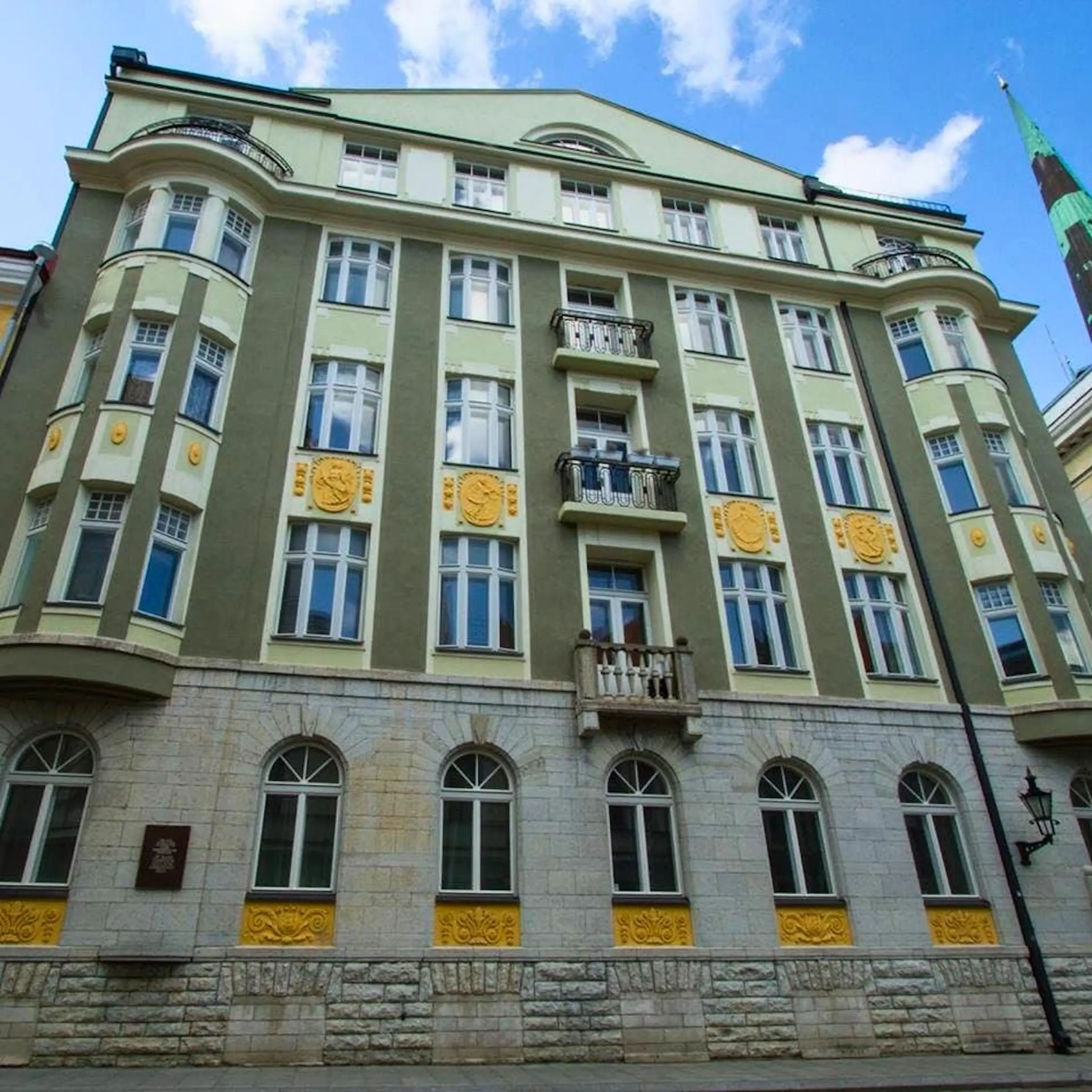
Walking down Pagari Street in Tallinn’s Old Town, it is easy to admire the grand Art Nouveau architecture and cobblestone streets. But the building at Pagari 1 holds a heavy, dark history. For nearly half a century, its basement served as the headquarters and primary interrogation center for the Soviet KGB in Estonia.
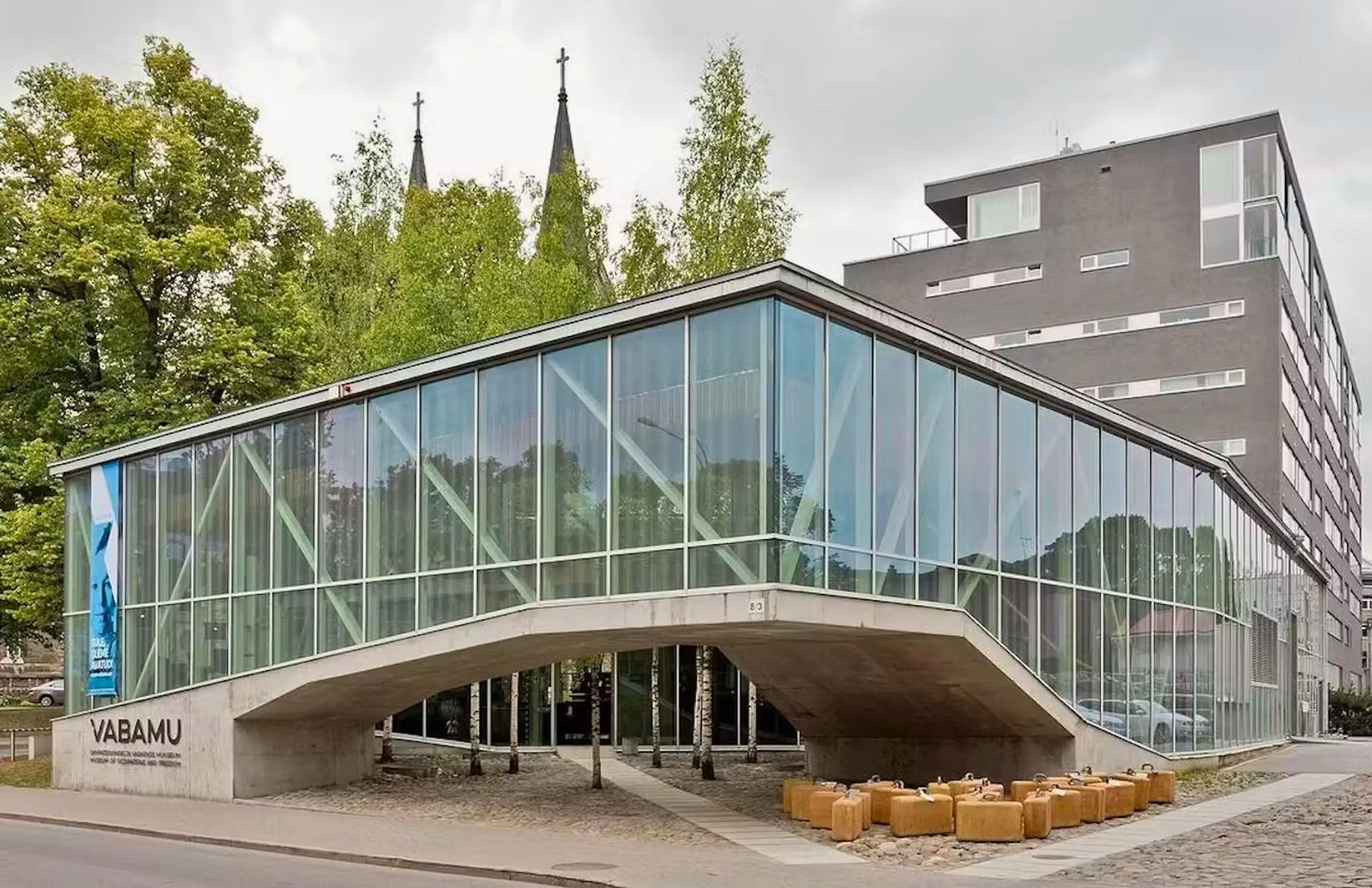
Today, the KGB Prison Cells operate as a branch of the Vabamu Museum of Occupations and Freedom. The site has been preserved to show exactly what suspected “enemies of the state” endured before being executed or deported to Siberian Gulags.
This guide breaks down exactly what you will see inside, how to choose the right ticket, and practical advice for navigating this emotionally heavy space.
Historical Context: The House on Pagari Street
Built in 1912 as a residential building, Pagari 1 was requisitioned by various ruling powers throughout the 20th century. However, it became infamous in 1941, and again from 1944 onward, when the Soviet NKVD (later the KGB) took it over.
The upper floors housed administrative offices where Cold War espionage, surveillance, and civilian tracking were coordinated. But it was the basement that struck fear into the local population. The KGB bricked up the basement windows to muffle sounds and converted the storage areas into holding cells and interrogation rooms. Suspected dissidents, politicians, and ordinary citizens were brought here, often in the middle of the night, to be broken.
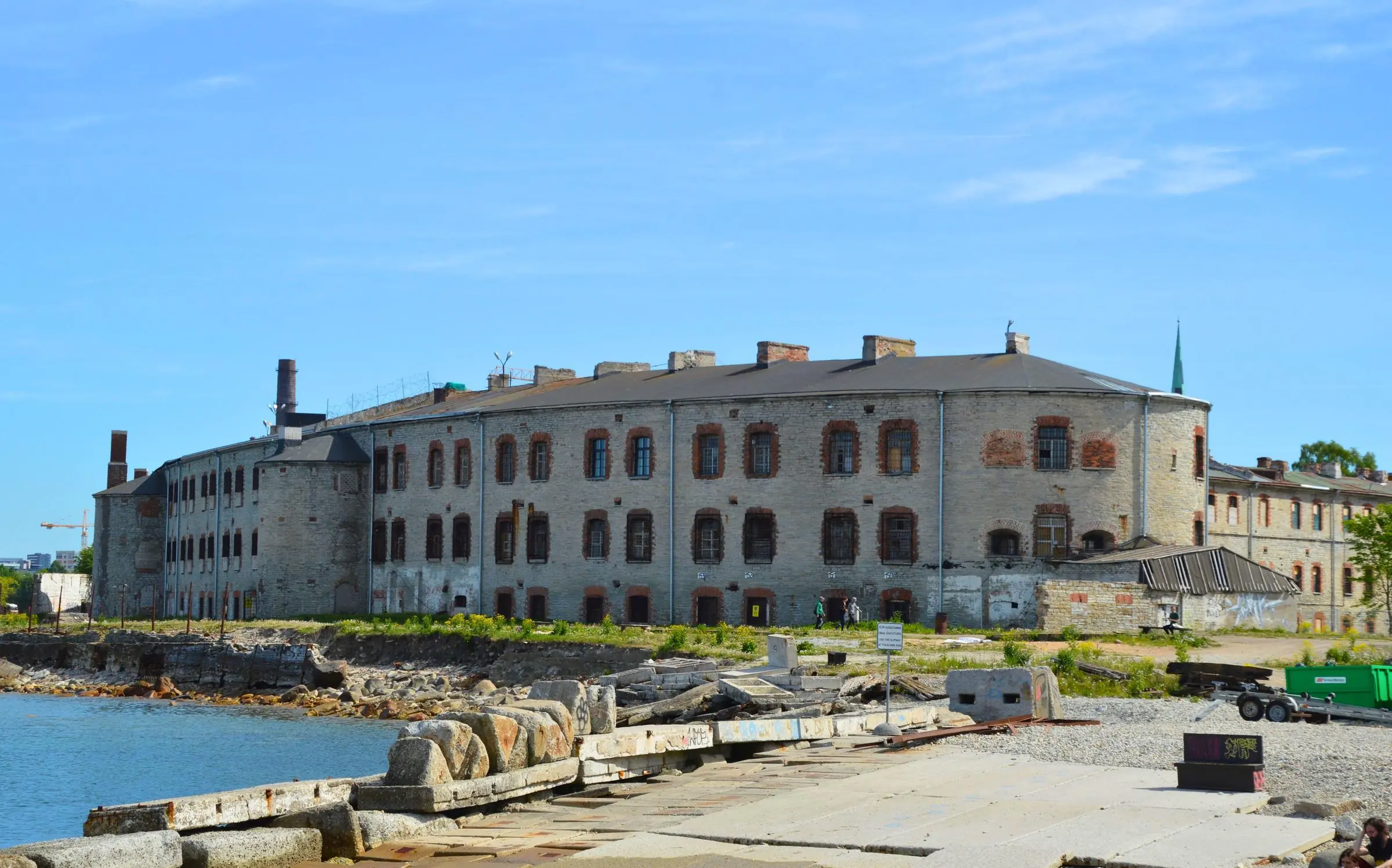
Don’t confuse this with Patarei: The KGB Prison Cells are a small, concentrated interrogation center in the Old Town. Patarei Prison is a massive sea fortress outside the city center where prisoners were held long-term. Both are worth visiting, but they offer very different experiences.
Who Should Visit (And Who Should Skip It)
Because of the subject matter and the physical layout of the museum, this attraction requires some planning depending on your travel group.
- Time-Poor Travelers: This is a highly efficient museum. The entire space consists of a long corridor and a handful of cells. You can thoroughly read every plaque and see every room in 30 to 45 minutes. It is easy to slot into a busy Old Town itinerary.
- History & Cold War Buffs: If you are interested in Soviet history, this is a primary source location. To get the most out of it, consider pairing your visit with a guided walk like the Hidden Tallinn: Soviet Walking Tour to understand how the KGB operated across the wider city.
- Families with Children: Skip it for young kids. The museum is physically dark, claustrophobic, and deals explicitly with torture, psychological abuse, and execution. Teenagers studying 20th-century history will find it educational, but it is not suitable for young children.
- Budget Travelers: At €10, the standalone ticket is reasonably priced, but if you plan to visit the main Vabamu Museum as well, the combo ticket saves you money.
5 Highlights Inside the Cell Blocks
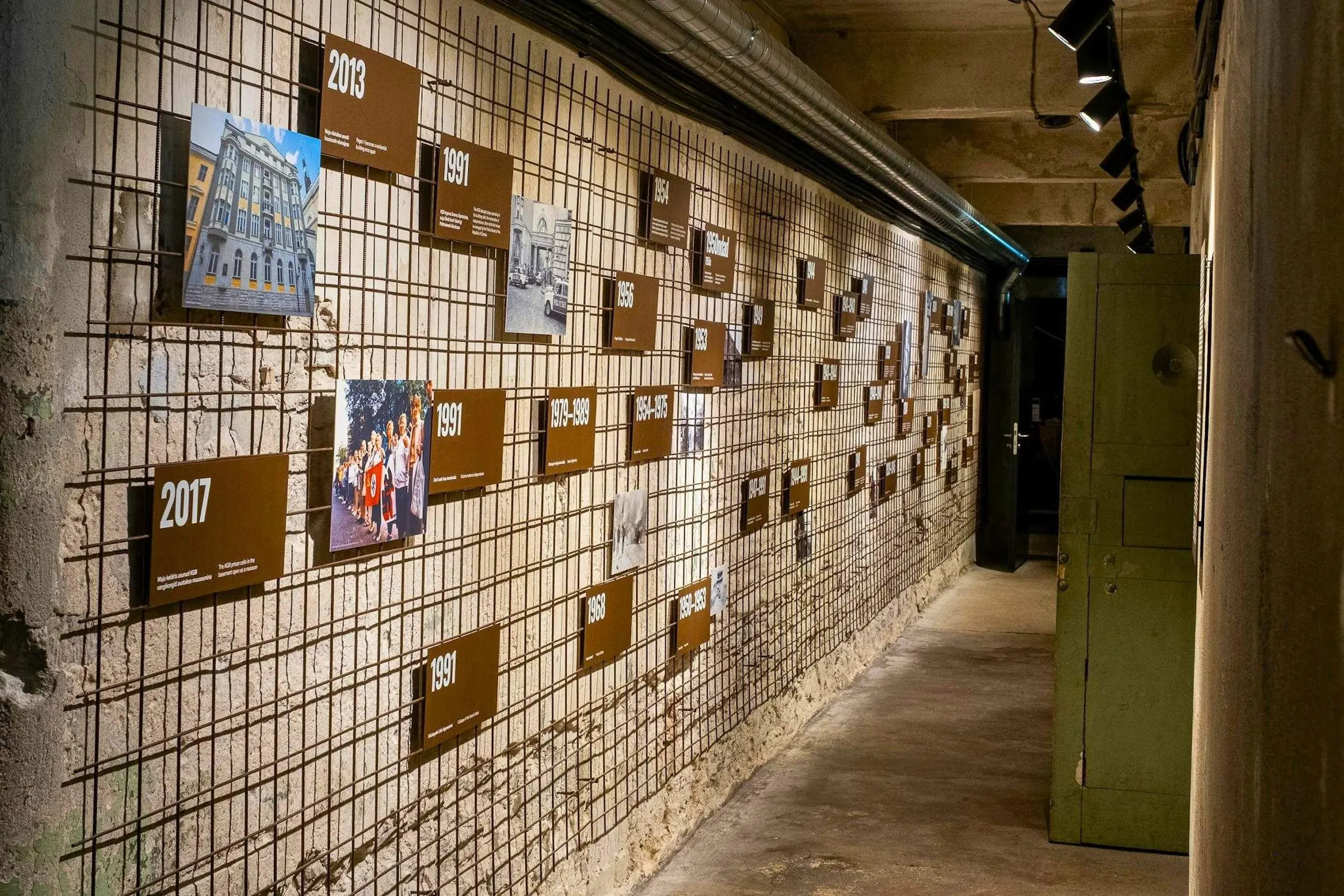
The museum is small but dense with information. As you walk down the stairs from the street level, the temperature drops, and the reality of the space sets in. Here are the five key areas to focus on.
1. The Basement Interrogation Chambers
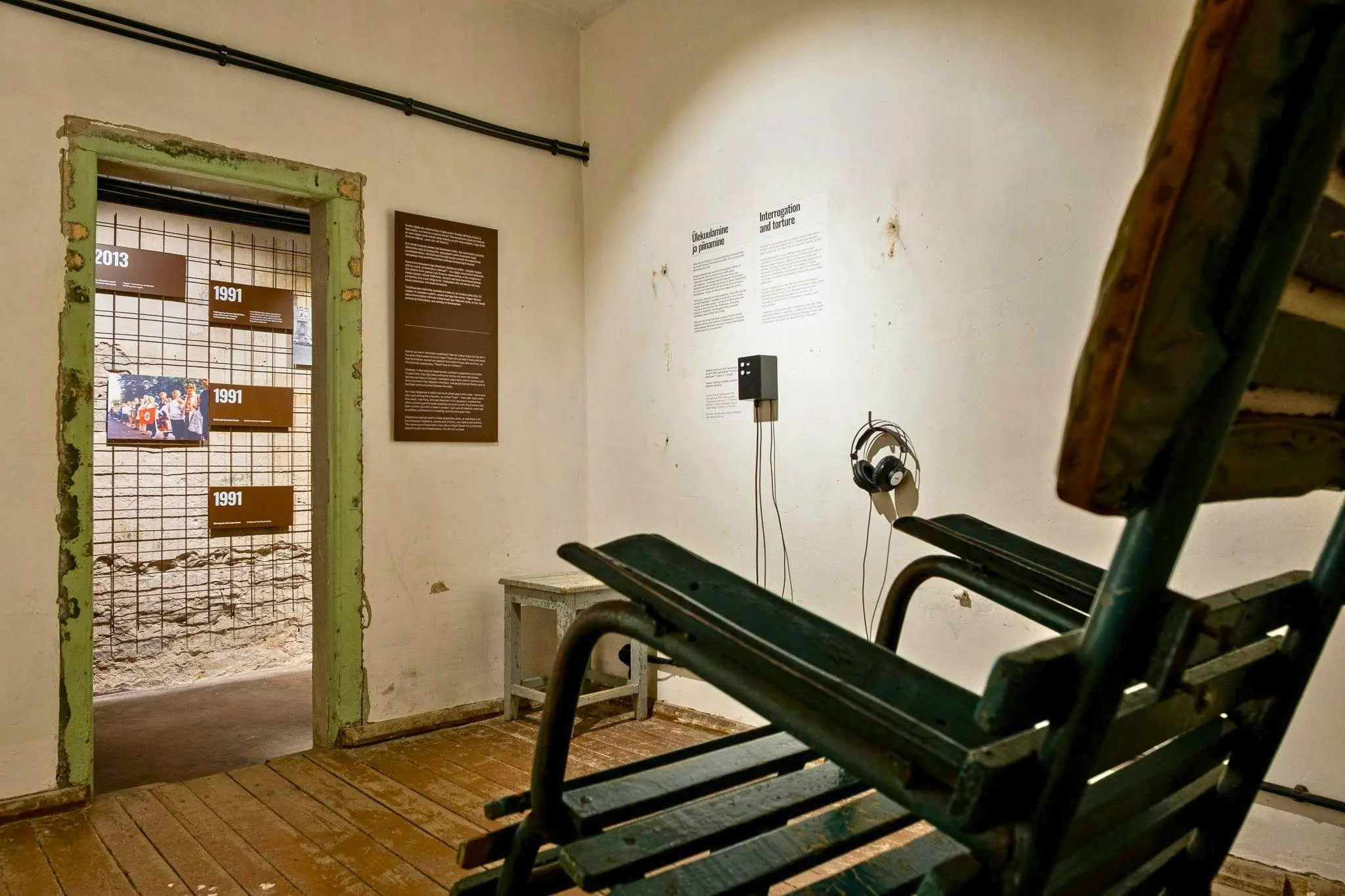
The interrogation rooms have been left largely as they were. You will see the stark setup: a simple wooden desk for the KGB officer, a harsh overhead light, and a single stool for the prisoner. Plaques on the walls detail the psychological and physical tactics used to extract false confessions. The contrast between the mundane office furniture and the horrific acts committed here is jarring.
2. The Walled-Off Isolation Rooms (The “Cupboard”)
Perhaps the most distressing part of the museum is the isolation cells, often referred to as “cupboards.” These were essentially vertical brick boxes where prisoners were forced to stand in total darkness for hours or days. The spaces are so small that a person cannot sit or lean comfortably. Looking into these spaces provides a visceral understanding of the sensory deprivation tactics used by the regime.
3. Historical Prisoner Graffiti
Look closely at the original brick and plaster walls in the holding cells. You can still see faint scratches made by prisoners—names, dates, and tally marks. The museum has preserved these markings, and nearby informational panels provide the translated text and, in some cases, the tragic backstories of the individuals who left them.
4. Surveillance Equipment Displays
While the basement was for holding and interrogation, the KGB’s primary weapon was surveillance. One of the cells has been converted into a small exhibition showcasing the espionage technology used during the Cold War. You will see hidden cameras, wiretapping devices, and bugs that were routinely planted in the nearby Hotel Viru and in the homes of suspected dissidents.
5. The Central Security Doors
The physical security of the basement is imposing. Take a moment to examine the heavy, reinforced steel doors on each cell. They feature small, sliding peepholes (so guards could watch prisoners without being seen) and narrow feeding slots. The loud, metallic clank these doors make when moved is a sound that former prisoners frequently mentioned in their memoirs.
If you plan to dive deep into Estonia’s Soviet history, do not buy a standalone ticket here. The combo ticket with the Vabamu Museum is the most cost-effective way to see both sites.
Ticket Choices: Standalone vs. Vabamu Combo
The KGB Prison Cells are managed by the Vabamu Museum of Occupations and Freedom. You have a few options for entry, and choosing the right one depends on your itinerary.
KGB Prison Cells: Entry Ticket
- Grants access to the Pagari Street basement only.
- Best if you only have 30 minutes in the Old Town.
- Does not include the main Vabamu Museum.
Vabamu Museum & KGB Cells Combo
- Includes skip-the-line entry to both sites.
- Saves you money compared to buying tickets separately.
- Sites are a 15-minute walk apart (easy to do in one afternoon).
Tallinn Card
- Includes entry to the KGB Cells, Vabamu, and 50+ other museums.
- Includes free public transport.
- Best if you are staying in Tallinn for 2 to 3 days and visiting many sites.
Keep Planning: If you are weighing whether the city pass is worth the upfront cost, read our detailed breakdown in the Tallinn Card Guide.
Sensory and Safety Alerts
Because this museum is located in an authentic, unmodified basement prison, visitors should be prepared for the physical environment.
- Claustrophobia: The corridors are narrow, the ceilings are low, and the cells are windowless. If you suffer from severe claustrophobia, you may find the space overwhelming.
- Lighting: The museum is intentionally kept dim to reflect the historical reality of the space. Watch your step, as the concrete floors can be uneven.
- Accessibility: Unfortunately, because this is a preserved historical basement, it is not wheelchair accessible. Access requires descending a steep flight of stairs from the street level.
- Emotional Weight: The subject matter is heavy. The audio testimonies and written accounts of torture and deportation are unfiltered.
Logistics and Local Tips
How to Get There
The KGB Prison Cells are located at Pagari 1, in the northern part of the Old Town.
- Walking: It is a 5-minute walk from Town Hall Square and just around the corner from St. Olaf’s Church.
- Public Transport: If you are coming from outside the Old Town, take the tram (Lines 1 or 2) to the Linnahall stop. From there, it is a 5-minute walk through the Viru Gates area and up Pikk Street.
When to Visit
The space is small, so it can feel crowded if a large tour group arrives. To experience the chilling atmosphere properly, try to visit right when they open at 10:00 AM, or late in the afternoon around 4:30 PM.
Combining with Vabamu
If you buy the Vabamu & KGB Cells Combo, you do not have to visit them back-to-back, but they are close enough that it makes sense. Vabamu is located at Toompea 8, just outside the Old Town walls. The walk between the two takes about 15 minutes across the cobblestones. We recommend doing the KGB Cells first for the raw historical context, then walking over to Vabamu for the broader, modern, and ultimately uplifting exhibition on Estonia’s recovery of freedom.
Where to Stay Nearby
Staying in the Old Town puts you within walking distance of the KGB Prison Cells, Vabamu, and most major historical sites. Use the map below to find accommodations near Pagari Street.
Frequently Asked Questions
How long does it take to visit the KGB Prison Cells?
Most visitors spend between 30 and 45 minutes inside. The museum consists of one main corridor and about half a dozen cells, so it is a quick but dense experience.
Is the museum wheelchair accessible?
No. The museum is located in a historic basement and can only be accessed via a steep flight of stairs. There is no elevator.
Can I take photos inside?
Yes, photography is allowed for personal use. However, flash photography is discouraged to maintain the solemn atmosphere of the space.
Do I need to book tickets in advance?
While it rarely sells out, the space is small. Booking a standalone ticket or a combo ticket online allows you to skip the ticketing desk and walk straight in.
Is there an audio guide available?
There is no dedicated audio guide device, but the museum features extensive written plaques in Estonian, English, and Russian. There are also video and audio installations playing survivor testimonies in the cells.
How does this differ from the Vabamu Museum?
The KGB Prison Cells are an authentic, preserved historical site focused specifically on interrogation and imprisonment. The Vabamu Museum is a large, modern, interactive museum that covers the entire timeline of Soviet and Nazi occupations, daily life under the regimes, and the Singing Revolution that led to independence.
Further Reading: To understand more about Estonia’s 20th-century history, check out the Estonian Institute of Historical Memory or explore our guide to the Soviet Tallinn: Cold War Echoes Tour.