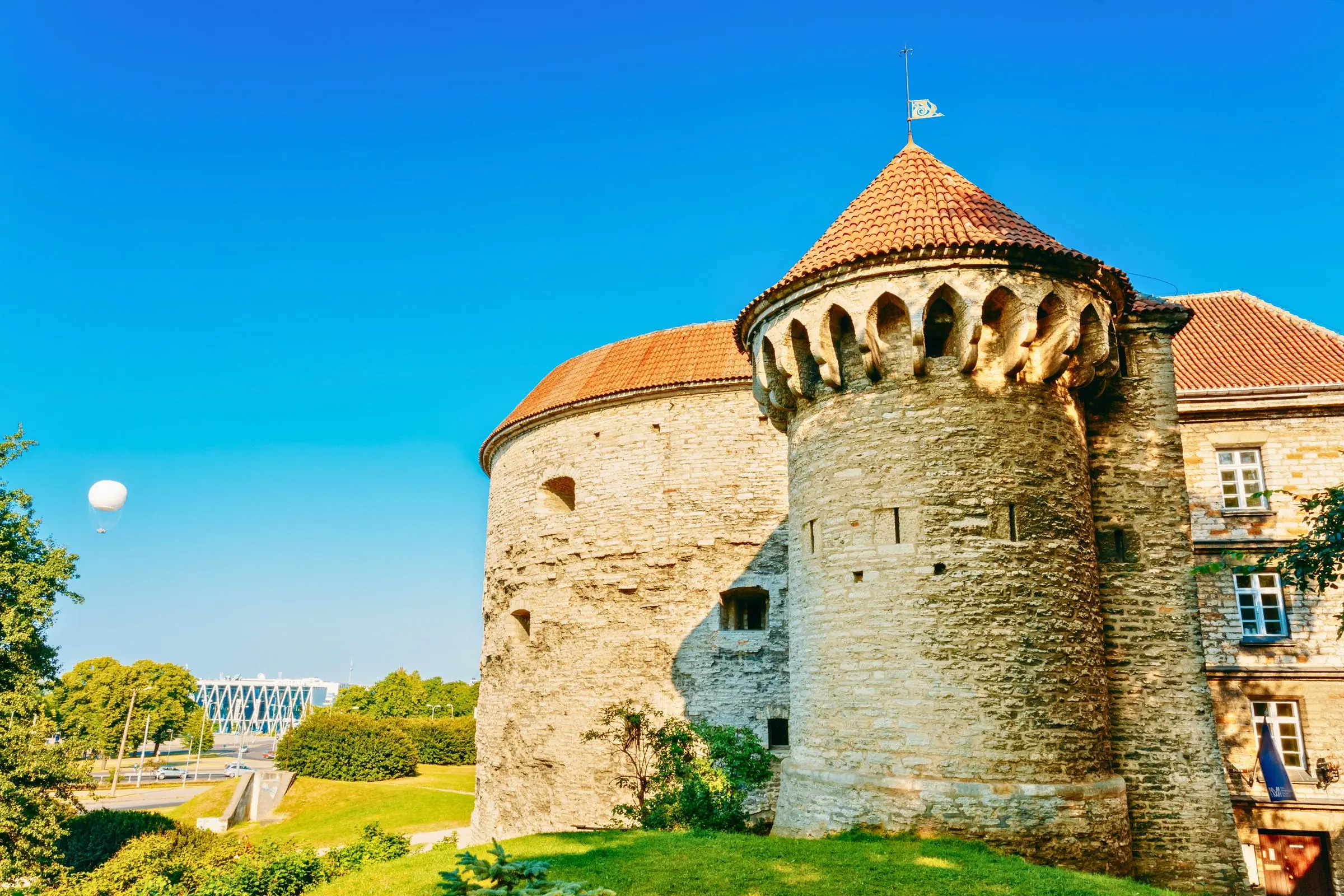
Standing guard at the northern edge of Tallinn’s medieval walls, the aptly named Fat Margaret (Paks Margareeta) is impossible to miss. Built in the early 16th century, this squat, circular artillery tower was designed to defend the city’s harbor and impress arriving merchants. Today, it serves a much more welcoming purpose as the home of the Estonian Maritime Museum.
Following a massive renovation in 2019, the interior of the tower was completely hollowed out and rebuilt into a modern, accessible exhibition space. If you are interested in medieval trade, maritime history, or just want to see how a 16th-century fortress looks from the inside, this is a highly practical stop on your Tallinn itinerary.
This guide breaks down exactly what to expect inside the complex, how to navigate the ticket options, and the most efficient way to fit it into your day.
How to Get There: Walking Lines & Transit
Fat Margaret sits at the very end of Pikk Street, one of the main arteries running through the Old Town. It is physically attached to the Great Coastal Gate (Suur Rannavärav), which was historically the primary entrance for anyone arriving by sea.
- Walking from Town Hall Square: Walk straight down Pikk Street heading north. It is a gentle downhill walk that takes about 10 minutes. You will pass several historic guild halls along the way.
- Arriving from the Cruise Port: If you are walking into the city from the cruise terminal, Fat Margaret is likely the first historic structure you will encounter. It is a 10 to 15-minute walk from the main cruise berths.
- Public Transit: The closest tram stop is Linnahall (served by Trams 1, 2, and 5). From the stop, it is a flat, 3-minute walk across the road to the tower entrance.
Accessibility Note: Unlike many medieval towers in Tallinn, Fat Margaret is fully wheelchair and stroller accessible. The 2019 renovation installed a central elevator that connects all exhibition floors and the roof terrace.
Ticket Options & Strategy
The Maritime Museum operates two separate facilities in Tallinn: Fat Margaret and the Seaplane Harbour. You can buy individual tickets for just the tower, or a joint ticket that covers both.
Joint Ticket: Fat Margaret & Seaplane Harbour
- Access to Fat Margaret tower
- Access to the Seaplane Harbour (submarines and icebreakers)
- Valid for 3 months from the first visit
- Saves €8 compared to buying separately
Fat Margaret Standard Entry
- Full access to the Fat Margaret exhibitions
- Access to the roof terrace
- Good if you only have 1 hour
Tallinn Card
- Includes Fat Margaret and Seaplane Harbour
- Includes 50+ other museums and public transport
- Best for aggressive sightseeing days
During the peak cruise season (June to August), the ticket desk at Fat Margaret can get backed up between 10:00 AM and 1:00 PM. Buying your skip-the-line entry tickets in advance allows you to scan your barcode at the turnstile and walk straight in.
Advice for Different Traveler Types
For the Time-Poor: If you only have 45 minutes, skip the detailed reading panels on the upper floors. Head straight to the ground floor to see the medieval cog shipwreck, take the elevator to the roof for the panoramic view, and then do a quick walk down the stairs to peek at the cannon embrasures.
For Families: The museum is highly interactive. There are digital screens where kids can design their own ships, trace trade routes, and listen to audio logs. Because the building is circular with a central open atrium, it is easy to keep an eye on older children as they explore the different levels.
For Budget Travelers: At €16, the standalone ticket is relatively standard for Tallinn museums. However, if you plan to visit the Seaplane Harbour as well, you absolutely must buy the Joint Ticket to save money. If you are doing three or more major museums in a day, the Tallinn Card is the most cost-effective route.
Deep Dive: 5 Highlights Inside Fat Margaret
The museum is laid out chronologically across four floors, starting with the Middle Ages on the ground floor and moving up to modern motor ships near the roof. Here are the specific highlights to look out for.
1. The 700-Year-Old Kadriorg Cog
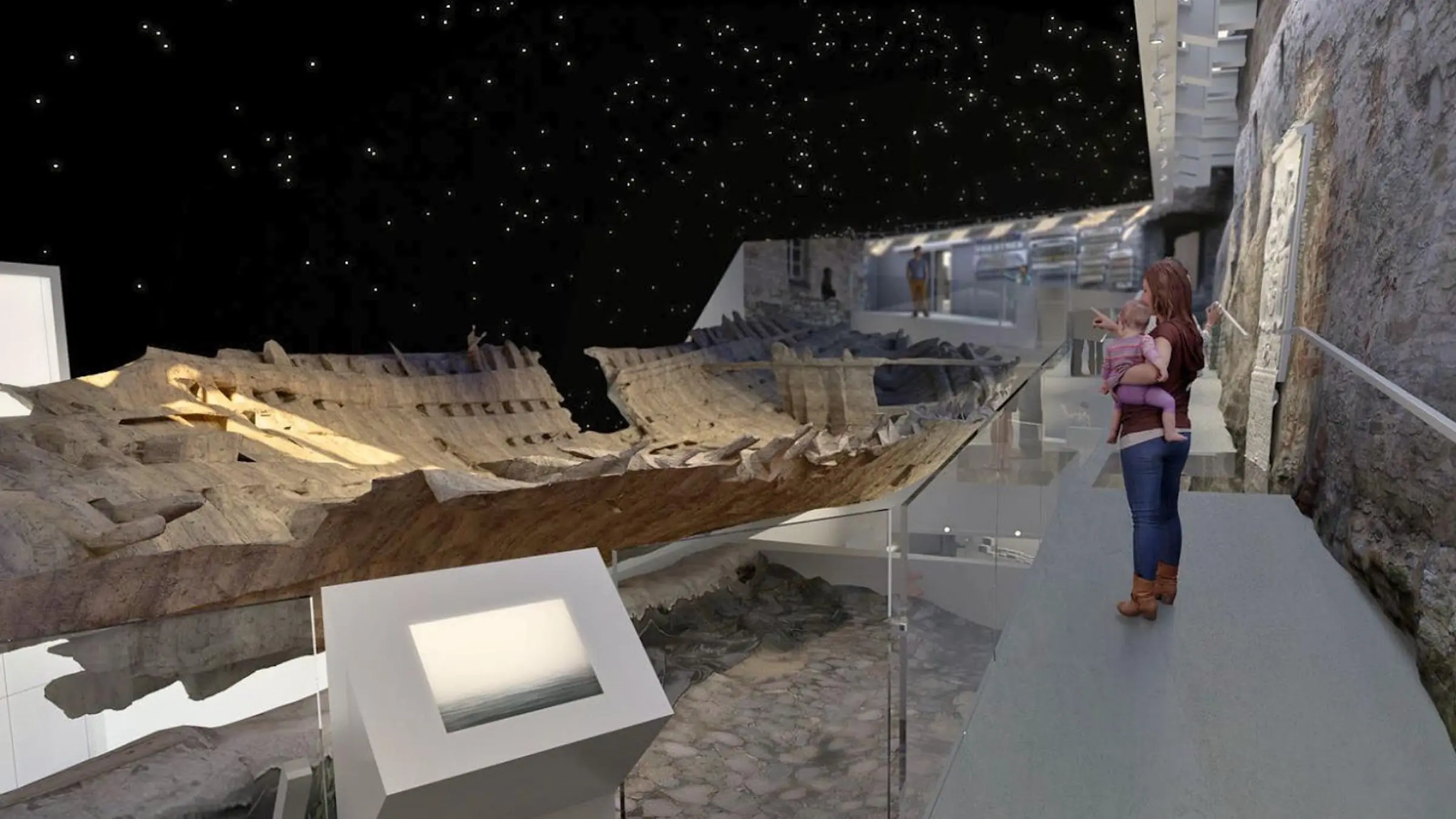
The undisputed centerpiece of the museum is the wreckage of a medieval cog (a type of trading ship). Discovered in 2015 during a construction project in Tallinn’s Kadriorg district, this 14th-century vessel is one of the best-preserved cogs ever found in Europe.
The museum was literally rebuilt around this ship. It sits in the central atrium, and as you walk up the spiraling ramps to the higher floors, you get to view the massive wooden hull from different angles. Look closely at the digital projection mapping that occasionally lights up the hull to show how the ship would have looked when fully loaded with cargo.
2. Extensive Model Ship Galleries
If you appreciate craftsmanship, the upper floors feature an exhaustive collection of over 70 model ships. These aren’t standard hobby kits; they are highly detailed, historically accurate scale models built by master craftsmen.
The collection tracks the evolution of Estonian seafaring, from early wooden sailing vessels used in the Hanseatic League trade to the massive steel passenger ferries that currently cross the Baltic Sea. The rigging details on the 19th-century windjammers are particularly impressive.
3. Ancient Deep-Sea Diving Gear
Tucked into the sections detailing 19th and early 20th-century maritime work, you’ll find a fascinating collection of early deep-sea diving equipment. The display features heavy copper diving helmets, weighted lead boots, and thick canvas suits used by salvage divers in the Baltic Sea. It is a stark, slightly claustrophobic reminder of how dangerous maritime salvage operations were before the invention of modern scuba gear.
4. Defensive Cannon Embrasures
While the museum focuses on ships, the building itself is a major artifact. Fat Margaret was built between 1511 and 1530 to defend the city against naval bombardment. The walls are up to 5 meters (16 feet) thick in places.
As you walk the perimeter of the exhibition floors, step into the deep window alcoves. These are the original embrasures (loopholes) where heavy cannons were once positioned. Standing in one of these alcoves gives you a real sense of the sheer mass of the stone fortress.
5. Panoramic Roof Terrace Views
Take the elevator (or the stairs) to the very top to access the open-air roof terrace. Because Fat Margaret sits right on the edge of the Old Town, the terrace offers a fantastic 360-degree view.
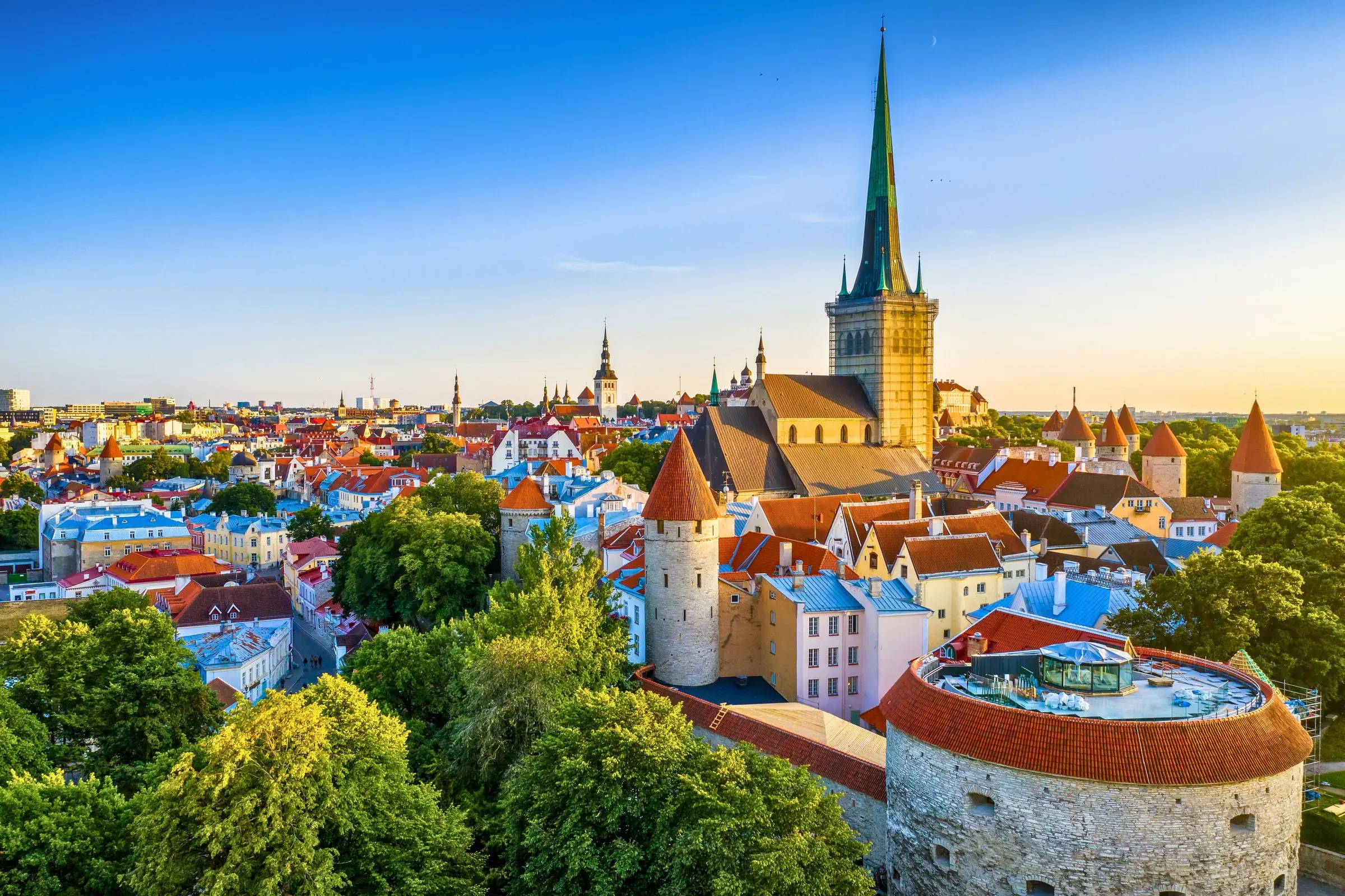
To the north, you can watch the massive cruise ships and ferries docking in the modern harbor. To the south, you get a clear view up Pikk Street toward the spires of St. Olaf’s Church and the red-tiled roofs of the medieval city.
Local Tip: From May to September, a small cafe operates on the roof terrace. While the coffee and ice cream are priced at a premium, it is one of the most unique spots in the city to sit and rest your feet. You do not need to buy anything to access the terrace or enjoy the view.
Comparing the Maritime Museums
A common point of confusion for visitors is the difference between Fat Margaret and the Seaplane Harbour, as both are part of the Estonian Maritime Museum.
- Fat Margaret focuses on the history of sailing, medieval trade (the Hanseatic League), and the evolution of passenger and cargo ships. The vibe is historical and architectural.
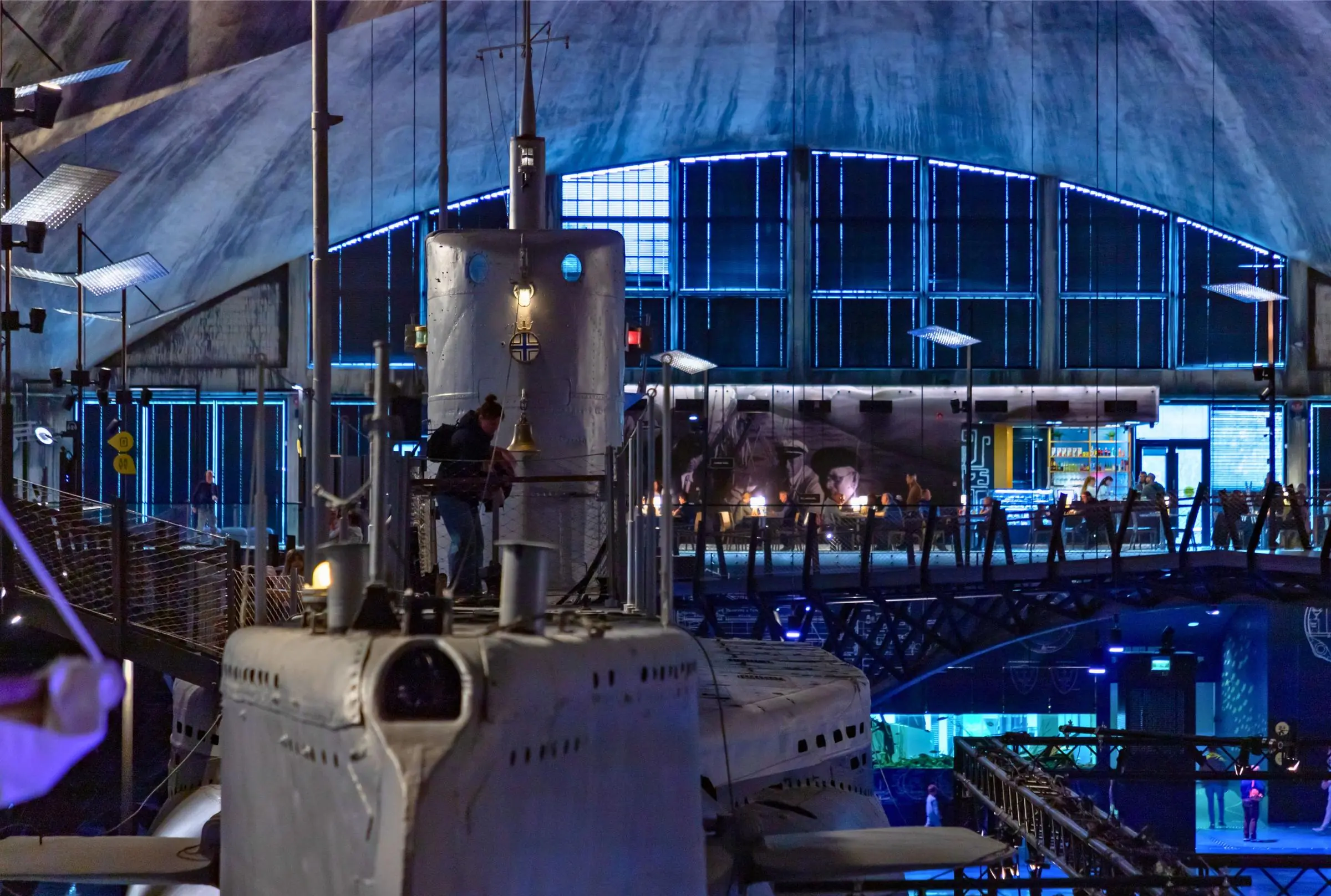
- The Seaplane Harbour focuses on 20th-century naval history, submarines, and military vessels. It is housed in a massive concrete hangar and features a real 1930s submarine you can walk inside.
If you have a passing interest in history, do Fat Margaret. If you like military history or have energetic kids who want to climb inside vehicles, prioritize the Seaplane Harbour. Ideally, get the Joint Ticket and do both.
Keep Planning: If you are heading to the Seaplane Harbour next, you will be walking through the trendy Kalamaja Neighborhood. Check our guide for the best places to grab lunch along the way.
Where to Stay Nearby
Fat Margaret is located right on the border between the historic Old Town and the hip, residential Kalamaja district. Staying in this area gives you easy access to the medieval sights while keeping you close to the ferry terminals and the creative hub of Telliskivi.
Use the map below to find accommodations near the tower. The area just outside the Great Coastal Gate (Põhja puiestee) often has modern apartments, while the streets inside the gate (Pikk, Lai) feature historic boutique hotels.
Frequently Asked Questions
How long does it take to visit Fat Margaret?
Most visitors spend between 1 to 1.5 hours inside the museum. If you are a maritime history enthusiast who wants to read every panel and study the ship models, allow for 2 hours. If you are rushing, you can see the main cog and the roof terrace in 45 minutes.
Is Fat Margaret wheelchair and stroller accessible?
Yes. Following a major reconstruction in 2019, the entire tower is accessible. There is a central elevator that connects the ground floor all the way up to the roof terrace, and the exhibition ramps are wide enough for wheelchairs and strollers.
Can I use the Tallinn Card here?
Yes, Fat Margaret is fully included in the Tallinn Card. You can walk straight to the ticket desk, scan your card, and enter without paying any additional fees.
Is the roof cafe open year-round?
No. The rooftop cafe (Maru) is strictly seasonal and generally operates from May through September, weather permitting. However, you can still access the roof terrace to take photos during the winter months, provided there is no severe ice hazard.
Do I need to print my ticket?
No. If you buy a digital entry ticket on your phone, you can simply scan the barcode directly at the electronic turnstiles at the entrance.
Is there a cloakroom or luggage storage?
Yes, there are free lockers and a coat check area on the ground floor near the ticket desk. The lockers are large enough for standard daypacks and heavy winter coats, but they will not fit large rolling suitcases.