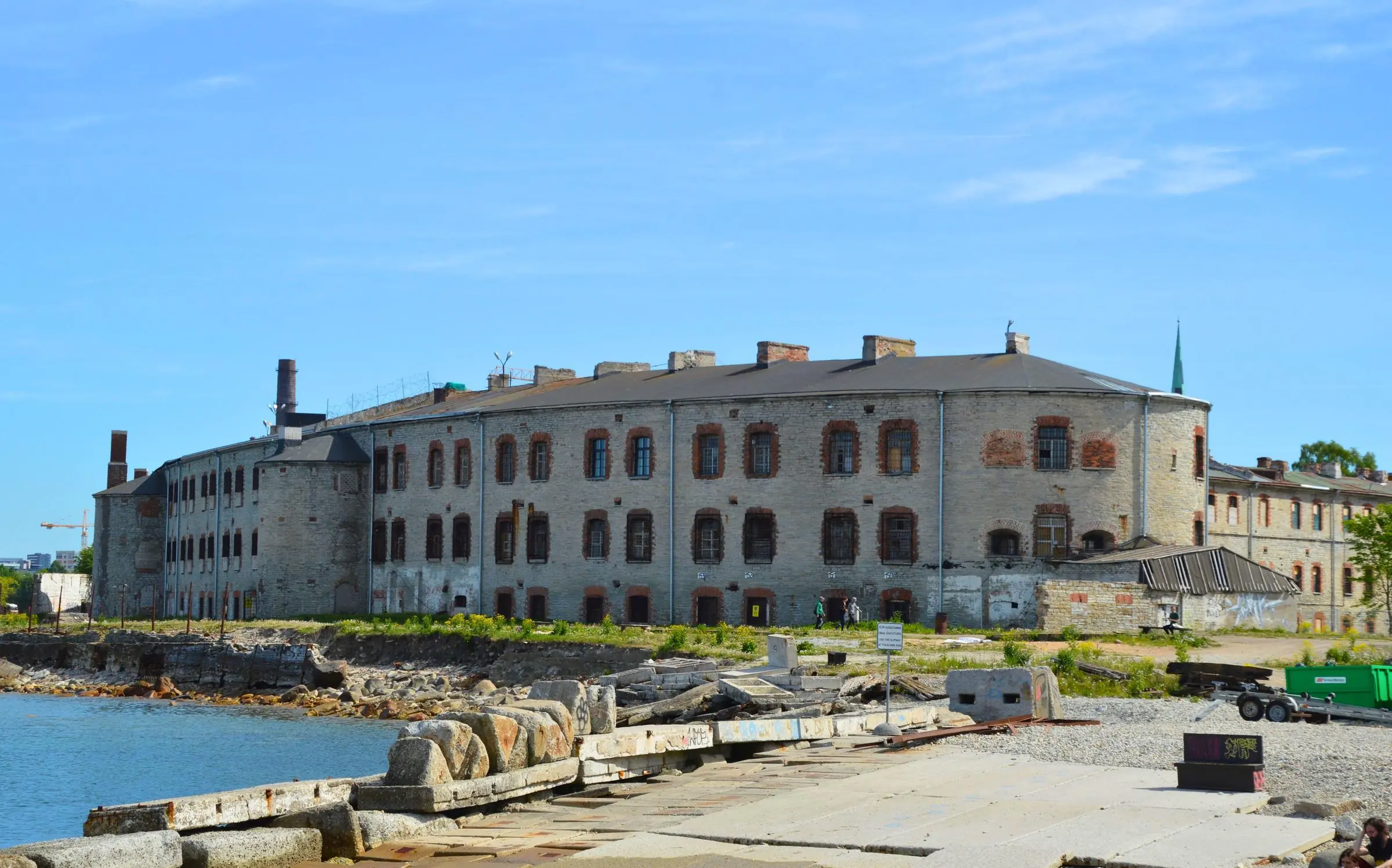
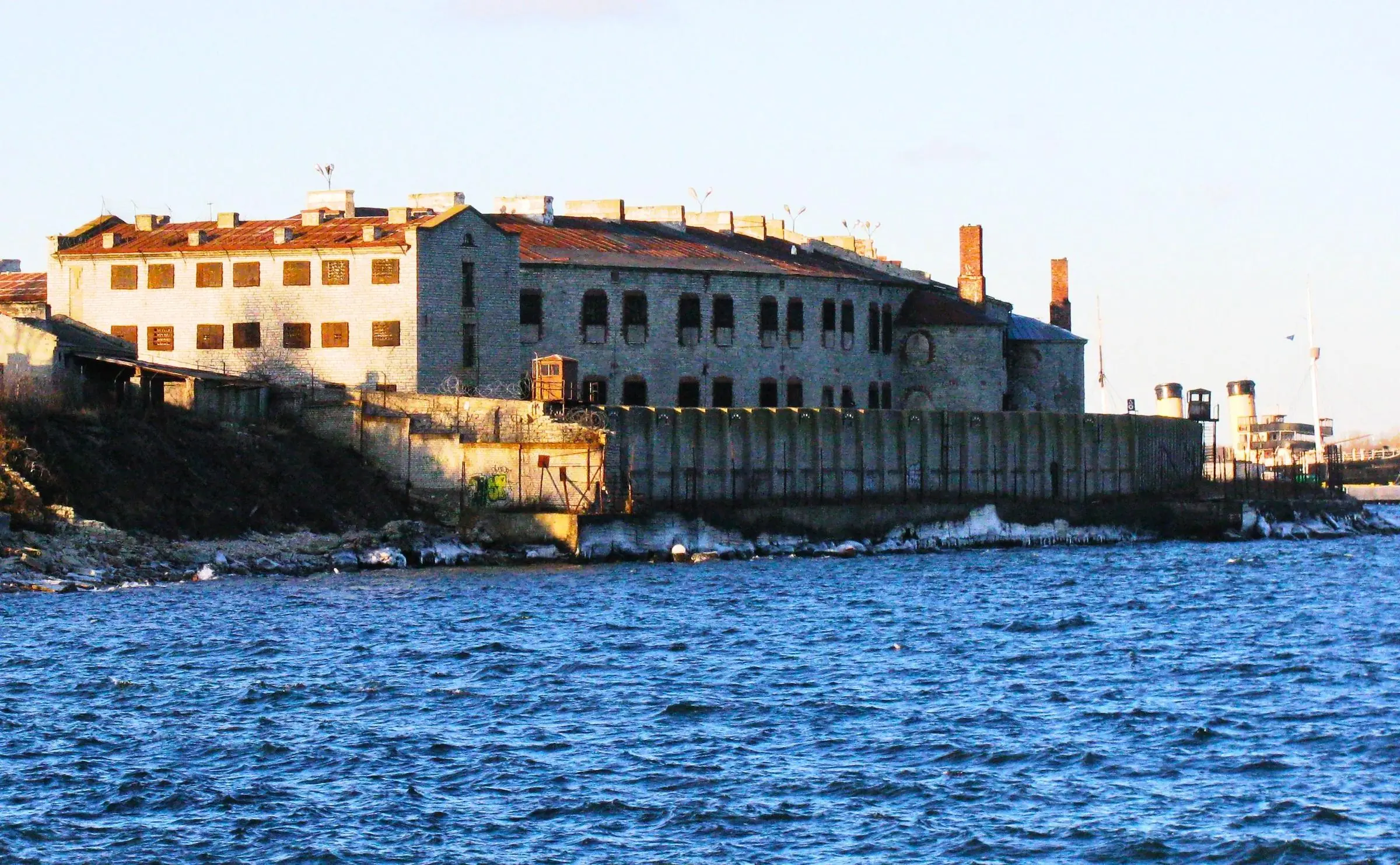
Sitting heavily on the edge of the Baltic Sea, Patarei Prison is one of Tallinn’s most imposing and somber landmarks. Originally commissioned in 1828 by Tsar Nicholas I as a sea fortress to protect the Russian Empire, the sprawling complex was repurposed into a prison in 1920. For decades under both Soviet and Nazi occupations, it served as a site of political repression, interrogation, and execution.
Today, Patarei is in a transitional phase. While large sections of the complex are undergoing commercial and residential redevelopment, the east wing has been preserved as the “Communism is Prison” exhibition area. Visiting Patarei is not a lighthearted activity, but it provides essential context for understanding Estonia’s 20th-century struggles and its hard-won independence.
Who Should Visit Patarei?
Because of its heavy subject matter and current construction constraints, Patarei requires a bit of planning. Here is how to approach it based on your travel style:
Visitor Segmentation: Is Patarei for you?
Deep Dive into the Cold War
- Why: The preserved cells and execution rooms offer an unfiltered look at Soviet penal architecture.
- How: Combine your visit with a guided tour of Kalamaja’s Soviet remnants for full context.
The Coastal Combo
- Why: Patarei sits directly between the cruise terminal and the Noblessner waterfront.
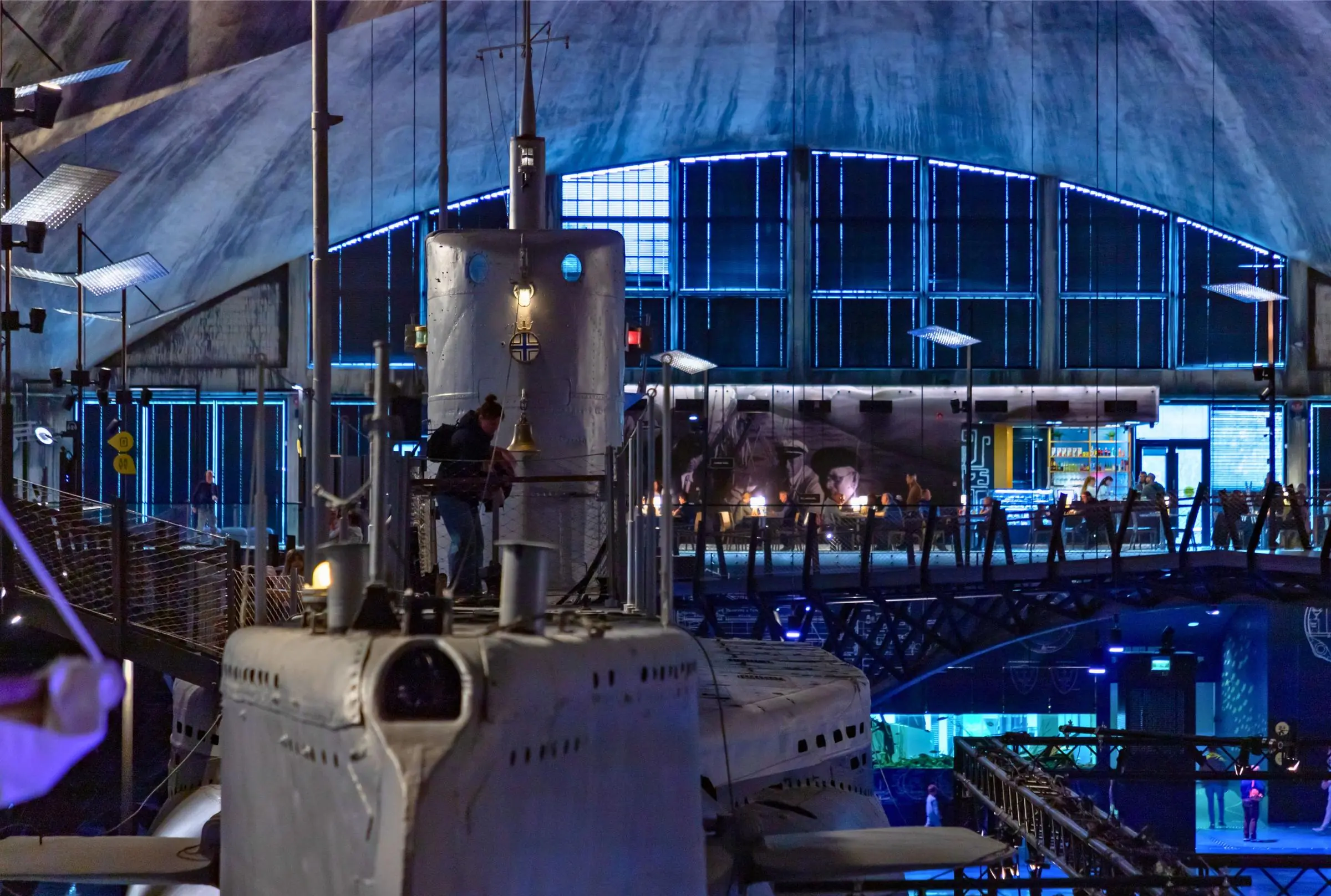
- How: Walk the exterior coastal path and peer through the bars, then spend your main time at the adjacent Seaplane Harbour.
Families — Proceed with Caution: The interior exhibition deals explicitly with torture, execution, and political repression. We highly recommend keeping children under 12 out of the interior exhibition and sticking to the exterior coastal walking path.
A Brief Dark History
Patarei’s architecture reflects its changing, increasingly grim utility. Built as a defensive battery (hence the name Patarei, meaning “battery” in Estonian), its two-meter-thick limestone walls were designed to withstand naval bombardment. However, the fortress never saw a naval battle.
By 1920, the newly independent Republic of Estonia converted the obsolete fortress into a prison. When the Soviet Union occupied Estonia in 1940, the KGB (then NKVD) took over, using Patarei to hold thousands of political prisoners before deporting them to Siberian gulags or executing them on-site. The Nazi occupation (1941–1944) saw the facility used for similar atrocities. The Soviets returned in 1944, and Patarei remained a functioning, notoriously brutal prison until 2002.
Contextual Tip: If you want to understand the full scope of Soviet repression in Estonia, pair your visit here with the KGB Prison Cells in the Old Town and the Vabamu Museum. You can secure a skip the line entry pass that covers both of those downtown locations.
5 Structural Highlights: Inside the Complex
The preserved sections of Patarei offer a raw look at military and penal architecture. The exhibition area guides you through several distinct zones, each serving a specific, chilling purpose.
1. Defensive Limestone Artillery Barracks
The core structure of Patarei is defined by its massive, curved limestone walls. Originally built to house cannons pointing out toward the Gulf of Finland, the gun embrasures were later bricked up and converted into barred windows. As you walk through the main halls, note the vaulted ceilings and the sheer thickness of the masonry. The dampness of the limestone made the building notoriously cold, a feature that was later weaponized against prisoners.
2. Cramped Political Isolation Cells
Deep within the complex are the isolation cells. These windowless, unheated concrete boxes were used to break the will of political dissidents. Measuring barely two square meters, prisoners were often thrown in here without adequate clothing. The heavy metal doors retain their original peepholes and feeding slots. Standing inside one of these cells for even a minute conveys the intense psychological pressure exerted on inmates.
3. Authentic Execution Rooms
The most sobering part of the exhibition is the execution chamber. Unlike modern facilities, this room is stark and utilitarian. During the Soviet era, executions were carried out here with a single gunshot to the back of the head. The room has been left largely as it was found, complete with the original drainage systems in the floor. It is a quiet, heavy space that requires respectful observation.
4. Intact Prison Exercise Yards
Located on the roof and in the inner courtyards, the exercise yards are essentially concrete cages open to the sky. Surrounded by high walls and topped with heavy wire mesh and barbed wire, guards patrolled on catwalks above. Prisoners were allowed out for a brief period each day, though they could only see the sky, never the sea just meters away. The rust on the wire and the crumbling concrete remain untouched.
5. Desolate Corridors
Connecting the various wings are long, sweeping corridors that follow the curve of the fortress. The peeling lead paint, rusted iron staircases, and the lingering smell of damp stone create a highly atmospheric environment. These corridors were designed for maximum visibility by guards, ensuring that no movement went unnoticed.
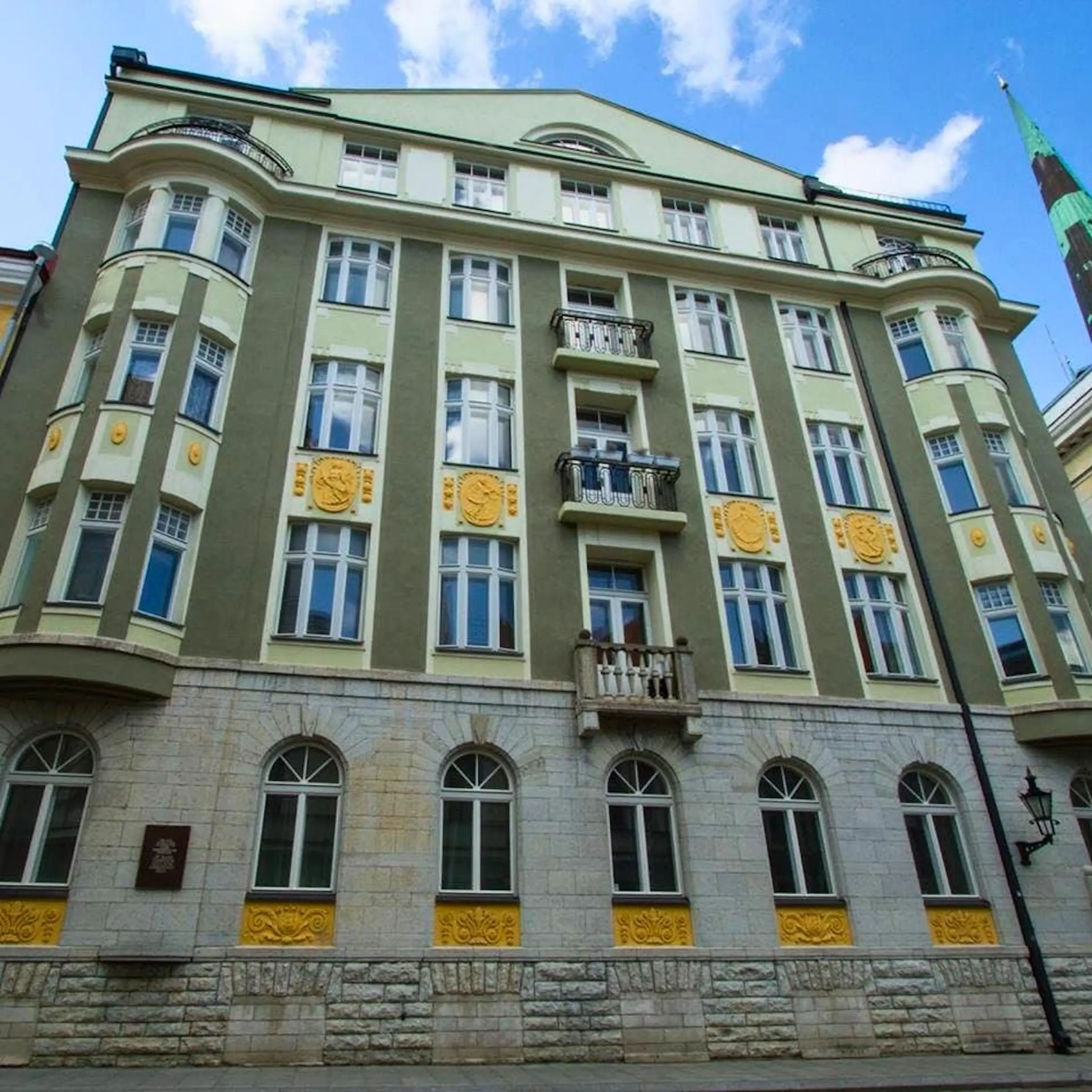
KGB Prison Cells
Step into the chilling basement cells where Soviet authorities interrogated and held Estonian citizens during the Cold War.
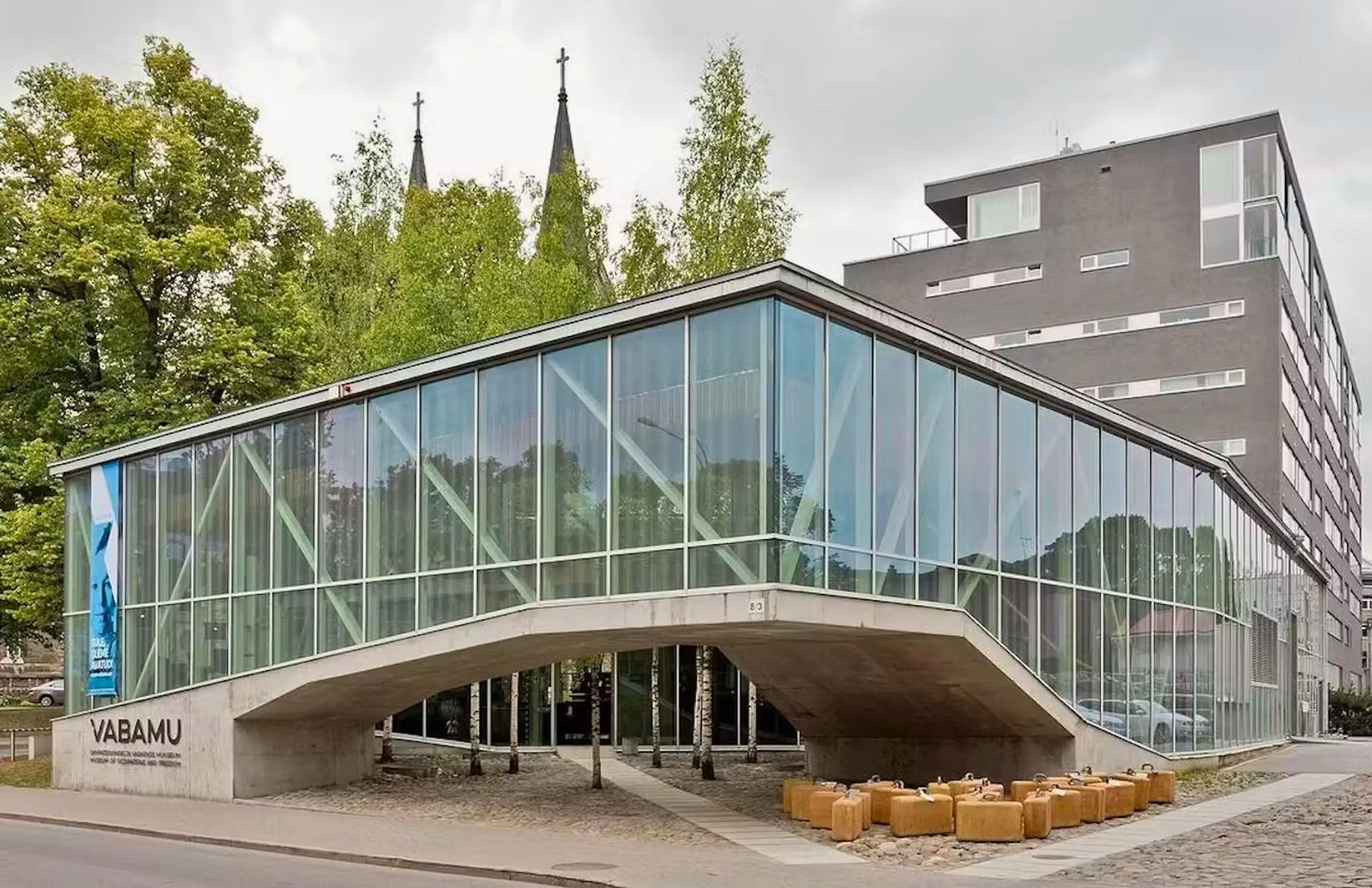
Vabamu Museum
Understand Estonia's turbulent 20th-century history through personal stories of resistance, exile, and the eventual restoration of independence.
Current Conservation Status
Patarei is currently undergoing a massive, multi-year redevelopment project. The complex was sold to a private developer with the mandate to transform the bulk of the fortress into a mix of offices, restaurants, and apartments.
What this means for visitors:
- The Museum: The eastern wing (approximately 1,200 square meters) is legally protected and houses the permanent “Communism is Prison” exhibition managed by the Estonian Institute of Historical Memory. This section remains authentic and untouched by the commercial development.
- Construction Zones: Large portions of the exterior and the western wing are currently active construction sites. You will see scaffolding and heavy machinery.
- Accessibility: Because it is a historic military structure currently under renovation, accessibility for wheelchair users is severely limited inside the exhibition.
Coastal Walking Rules and Logistics
Patarei sits right on the waterfront, flanked by the Kalamaja neighborhood to the south and the Noblessner waterfront to the west.
The Beta Promenade
The coastal path running behind Patarei is part of the “Beta Promenade,” a walking route that connects the cruise terminal to Noblessner.
- Walking Rules: The path directly against the sea wall is open to the public. You can walk right up to the barred windows of the fortress. Keep to the paved/gravel paths, as the shoreline here is littered with old concrete and rebar.
- Photography: Photography of the exterior is allowed and encouraged. The juxtaposition of the decaying Soviet prison against the modern ferries crossing the Baltic is striking.
A Waterfront History Walk
⏱️ Total: 1 h 30 minStart at Seaplane Harbour
Begin your walk at the Seaplane Harbour. If you plan to go inside, grab an entry ticket beforehand.
Walk the Patarei Exterior
Follow the coastal path west. Walk along the sea wall of Patarei Prison. Look for the old exercise yards visible near the roofline.
Visit the Exhibition
Enter the east wing to view the “Communism is Prison” exhibition. Expect to spend about 45 minutes inside the cold corridors.
Warm up in Noblessner
Continue west along the path to the Noblessner waterfront for a coffee or a craft beer to decompress.
Tours and Tickets
While you can visit the Patarei exhibition independently, the complex’s history is best understood with a guide who can explain the nuances of the Soviet occupation.
Hidden Tallinn: Soviet Walking Tour
- 2-hour walking tour of Kalamaja and the Patarei exterior
- Led by a local guide with deep historical knowledge
- Excellent context before entering the exhibition
Behind the Iron Curtain Tour
- Comprehensive private tour of Soviet secrets
- Includes transportation to wider Soviet sites
- Higher price point, best for dedicated history buffs
Practical Tips for Your Visit
- Dress Warmly: Even in the middle of July, the thick limestone walls trap the cold. The interior of Patarei is damp and chilly. Bring a sweater or light jacket.
- Footwear: The floors are uneven concrete and stone. Wear sturdy, closed-toe walking shoes.
- Getting There: If you aren’t walking from the Old Town (about a 25-minute walk), take Bus 73 from the city center and get off at the Lennusadam stop.
Where to Stay Nearby
If you are fascinated by Tallinn’s maritime and Soviet history, staying in the adjacent Kalamaja neighborhood puts you within walking distance of Patarei, the Seaplane Harbour, and the trendy Noblessner area.
Keep Planning: For more information on navigating the city’s transit system to reach the waterfront, read our Public Transport Guide.
Frequently Asked Questions
Is Patarei Prison open to the public year-round?
The “Communism is Prison” exhibition in the east wing operates on a seasonal schedule, typically open from May through September. During the winter months, the interior is closed due to the lack of heating and ongoing construction, though you can still walk the exterior coastal path.
How much does it cost to enter Patarei?
Walking the exterior Beta Promenade is completely free. Entry to the interior exhibition costs around €8 for adults. If you plan to visit multiple museums, consider checking if it is currently included in the Tallinn Card.
Is Patarei Prison safe to visit?
Yes, the designated exhibition areas are safe and structurally sound. However, because it is an old, decaying building adjacent to an active construction site, you must strictly follow the signs and stay out of cordoned-off areas.
Can I take photos inside the execution rooms and cells?
Yes, photography is permitted throughout the exhibition. However, visitors are asked to maintain a respectful demeanor, particularly in the execution chamber and isolation cells, given the site’s tragic history.
How long does it take to walk through the complex?
Most visitors spend between 45 minutes to an hour inside the exhibition. If you are reading all the informational placards and watching the video testimonies, allow for up to 90 minutes.
Are there restrooms or cafes inside Patarei?
Facilities inside the historic prison are extremely limited. There are basic portable toilets near the entrance during the summer season, but no cafes inside. We recommend using the modern facilities at the neighboring Seaplane Harbour or walking to Noblessner for food and drink.