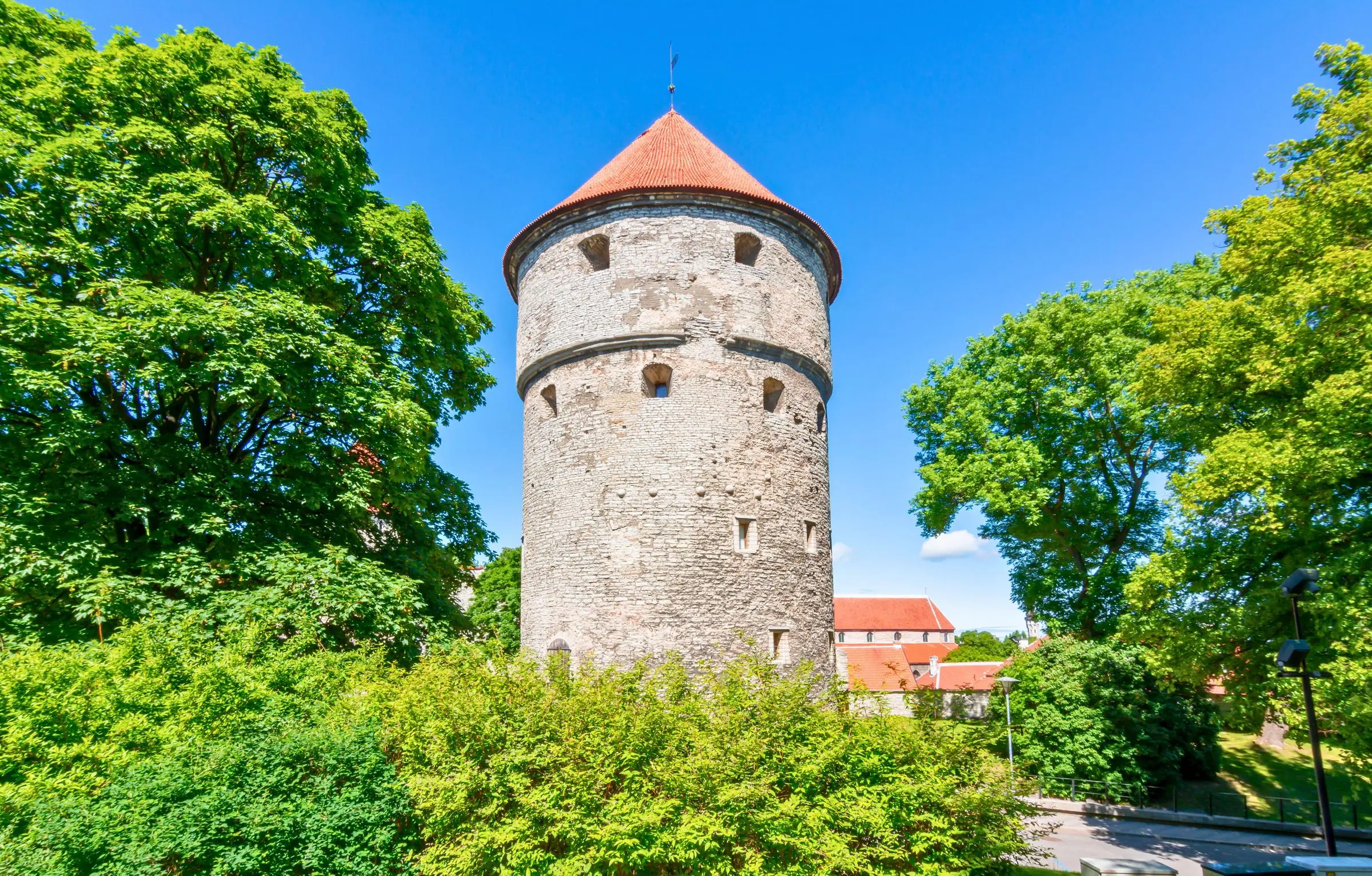
Translating to “Peek into the Kitchen” in Low German, Kiek in de Kök earned its name because the tower was so tall that guards joked they could see straight down the chimneys and into the kitchens of the lower town’s houses. Today, this massive 15th-century artillery tower serves as the main entrance to a sprawling fortification museum that includes four connected towers, restored defense walls, and the subterranean Bastion Passages.
Because the complex spans multiple levels, buildings, and underground earthworks, it can be confusing to navigate. This guide breaks down exactly how to tackle the complex, what to expect in the underground tunnels, and how to plan your visit based on your travel style.
Kiek in de Kök and the Bastion Passages require a single combined ticket. Because the entry fee is relatively high compared to smaller museums, this is one of the best places to use the Tallinn Card, which covers full access to the tower, walkways, and tunnels.
How to Plan Your Visit (Audience Segmentation)
The fortification complex is large and physically demanding. Here is how to approach it based on your group’s constraints.
- For the Time-Poor: If you only have 45 minutes, skip the underground Bastion Passages. Focus entirely on climbing Kiek in de Kök for the views, then walk the elevated wooden gallery over to the Maiden’s Tower (Neitsitorn). You get the best visual impact of the medieval walls without committing to the lengthy tunnel audio guide.
- For Families with Young Kids: Leave the stroller at your hotel or in the cloakroom. The entire complex is a maze of steep, narrow spiral staircases and uneven floors. The underground tunnels are fascinating for older children, but the dim lighting, echoing acoustics, and mannequins wearing vintage gas masks can easily frighten toddlers.
- For History Buffs: Allocate a full two hours. To fully grasp the transition from medieval stone walls to 17th-century earthwork bastions, you should pair this museum with a broader Guided Old Town Historical Walking Tour to see how these defenses fit into the wider city layout.
Deep-Dive: 5 Key Landmarks Inside the Complex
The Kiek in de Kök Fortification Museum is not just one building. It is a cluster of distinct historical sites connected by walkways and tunnels.
1. Panoramic Tower Views (Kiek in de Kök)
The main tower itself is a six-story cylindrical beast with walls up to 4 meters thick. As you climb the spiral staircase, each floor houses exhibits on Tallinn’s military history, crime, and punishment.
The highlight is the top-floor armory and viewing platform. From here, you get an unobstructed 360-degree view of Toompea Castle to the west and the red roofs of the Old Town neighborhood to the east. Before you leave the tower, look closely at the exterior walls—you can still see nine solid iron cannonballs embedded in the masonry, fired by Ivan the Terrible’s troops during the Livonian War in 1577.
2. Maiden’s Tower (Neitsitorn) Defense Walkways
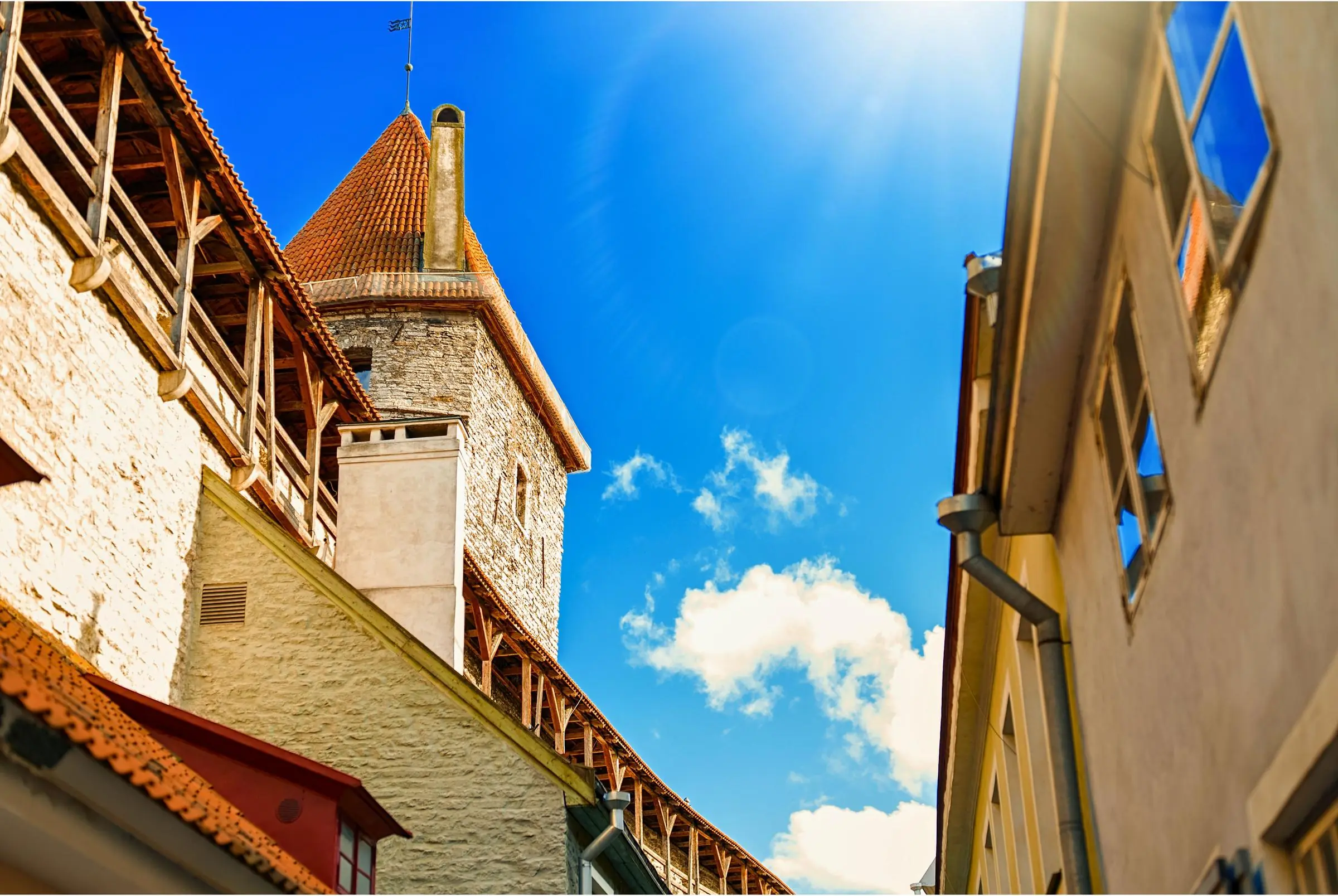
From the second floor of Kiek in de Kök, a reconstructed wooden defense gallery allows you to walk along the top of the medieval city wall directly into the Maiden’s Tower.
Historically used as a prison for prostitutes (hence the ironic name), the Maiden’s Tower now houses a cafe with excellent views of the Danish King’s Garden. The elevated walkway continues past the Maiden’s Tower, connecting to the Stable Tower (Tallitorn) and the Short Leg Gate Tower (Lühikese Jala väravatorn). Walking these high wooden galleries gives you a tangible sense of how city guards patrolled the perimeter in the 15th century.
3. 17th-Century Fortification Layouts
By the 1600s, cannons had become too powerful for traditional vertical stone walls. The ruling Swedish empire ordered the construction of massive earthwork bastions around Toompea Hill to absorb artillery fire.
As you transition from the medieval towers toward the underground sections, the museum does an excellent job of illustrating this shift in military engineering. You will see cross-sections and scale models showing how the Wismar, Ingeri, and Swedish bastions were layered with soil, stone, and timber to create an impenetrable ring around the city.
4. Subterranean Tunnel Bomb Shelters (Bastion Passages)
Hidden inside those 17th-century earthwork bastions is a network of secret tunnels. Originally built so soldiers, ammunition, and supplies could be moved safely out of enemy sight, the Bastion Passages have served many purposes over the centuries.
The audio-guided tour walks you through a chronological timeline of the tunnels’ uses. The most striking section is the Cold War era. During the Soviet occupation, the tunnels were converted into heavily fortified nuclear fallout shelters. You will walk past rows of rusted bunk beds, heavy blast doors, vintage ventilation systems, and civil defense propaganda. Further along, the exhibit covers the 1990s, when the abandoned tunnels became a refuge for Tallinn’s homeless population and punk subculture.
Tunnel Safety & Comfort Alert: The Bastion Passages maintain a constant temperature of 7°C to 10°C (45°F - 50°F) year-round. Bring a sweater, even in July. The ceilings in some sections dip to around 1.7 meters (5’7”), requiring taller visitors to stoop. The floor is uneven stone and dirt—wear flat, closed-toe shoes.
5. Historical Stone Carver Carvings (Carved Stone Museum)
At the far end of the Bastion Passages, located inside the Ingeri Bastion, is the Carved Stone Museum. This atmospheric, dimly lit gallery houses over 200 decorative stone fragments salvaged from Tallinn’s destroyed buildings.
Dating from the 15th to the 17th centuries, the collection includes intricately carved portals, window frames, family crests, and gravestones. It is a quiet, slightly eerie space that highlights the craftsmanship of Tallinn’s medieval stone carvers, whose work was often lost to fires, wars, and Soviet-era demolition.
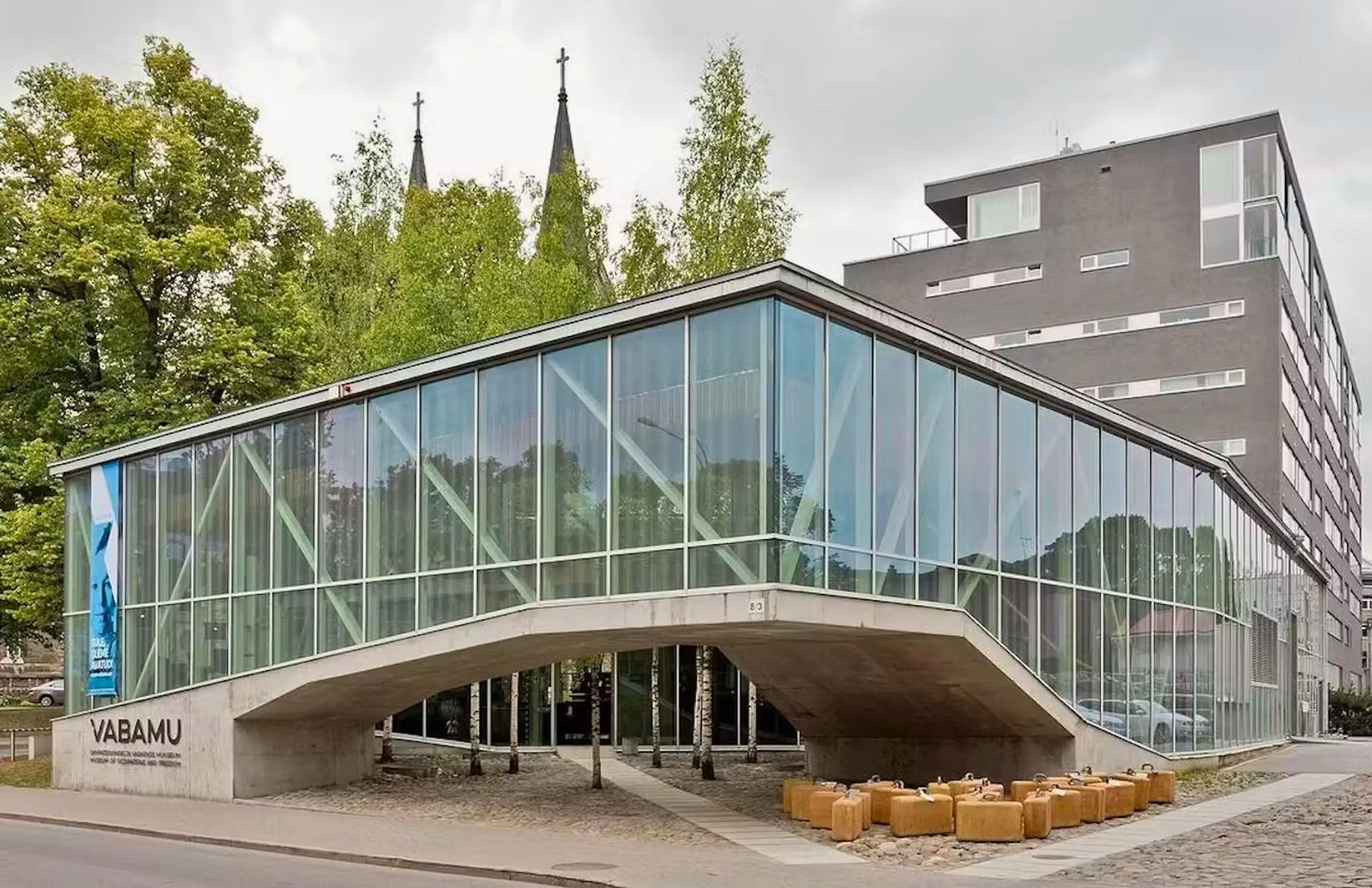
Keep Planning: If you are fascinated by Tallinn’s Soviet-era history and the Cold War bomb shelters, make sure to visit the nearby Vabamu Museum of Occupations and Freedom and the KGB Prison Cells in the lower town.
Logistics, Showtimes, and Tickets
Navigating the entry requirements for the complex requires a bit of planning, especially if you want to see the underground sections.
- Entrance Location: The main ticket desk is located on the ground floor of the Kiek in de Kök tower at Komandandi tee 2, right next to Freedom Square.
- Bastion Passages Showtimes: You cannot wander the tunnels freely. Entry to the Bastion Passages is managed via a timed audio guide system to prevent overcrowding in the narrow corridors. During the summer (May to September), entry slots run approximately every 30 minutes. In the winter, they run every hour. You will select your tunnel entry time when you buy your ticket (or scan your Tallinn Card) at the front desk.
- Audio Guides: The tunnel tour relies on an audio guide (available in English, Estonian, Russian, Finnish, and German). Bring your own wired headphones if you prefer not to hold the device to your ear for 45 minutes.
Fortification Advice
Exploring Kiek in de Kök is a physical workout. Between the six-story vertical tower climbs and the subterranean earthworks, keeping the family comfortable requires knowing the complex’s physical quirks:
- Ditch the Wheels: Do not attempt to bring a stroller. The medieval towers rely on steep, worn stone spiral staircases with rope handrails, and the underground tunnels dip to 1.7-meter ceilings. Park your stroller in the ground-floor cloakroom near the ticket desk.
- The “Spook” Factor: While the upper towers are bright and fascinating, the subterranean Bastion Passages can feel intensely eerie to younger kids. The tunnels are cold, damp, and feature realistic mannequins in 1930s gas masks alongside echoing air-raid sound effects. If your child is sensitive to dark spaces, skip the timed tunnel tour.
- Dress for Two Climates: Even if it is 25°C (77°F) outside in July, you will need a sweater or light jacket the moment you step down into the underground bastions—they sit at a permanent 8°C year-round. Wear flat, rubber-soled shoes; the historic flagstones get slick when damp.
Where to Stay Nearby
Kiek in de Kök borders both the upper town (Toompea) and the lower Old Town. Staying in this area puts you within walking distance of almost all major historical sites. Use the map below to find accommodations near Freedom Square or Toompea Hill.
Frequently Asked Questions
Is it cold in the Bastion Passages?
Yes. Because they are buried deep inside earthwork bastions, the tunnels maintain a steady temperature of 7°C to 10°C (45°F to 50°F) regardless of the weather outside. You will need a jacket or sweater, even in the middle of summer.
Can I visit the tunnels without doing the audio tour?
No. For safety and capacity reasons, you must enter the Bastion Passages at a designated time slot and follow the one-way route with the audio guide. You can walk through faster than the audio prompts if you wish, but you cannot free-roam.
Is Kiek in de Kök included in the Tallinn Card?
Yes, the Tallinn Card covers full entry to the entire Fortification Museum, including the towers, walkways, and the Bastion Passages. You still need to go to the ticket desk to scan your card and receive a timed entry slot for the tunnels.
Are there toilets inside the complex?
Yes, there are modern restrooms located on the ground floor of the Kiek in de Kök tower near the ticket desk, and another set near the cafe in the Maiden’s Tower. There are no toilets down in the Bastion Passages.
How steep are the stairs in the tower?
The stairs in Kiek in de Kök are authentic medieval spiral staircases. They are steep, narrow, and the stone steps are worn and uneven. There is a rope handrail, but visitors with mobility issues or bad knees will find the climb challenging.
Can I just visit the Maiden's Tower cafe without a museum ticket?
No. The Maiden’s Tower cafe is located inside the paid zone of the museum. You must have a valid museum ticket or Tallinn Card to access the walkways and the cafe.