Tallinn’s Seaplane Harbour (Lennusadam) is not your typical museum. Housed inside a massive, cavernous concrete hangar originally built for the Russian Tsar’s navy, it is now the flagship branch of the Estonian Maritime Museum.
Instead of quiet rooms with glass display cases, you walk onto a suspended bridge system that simulates being underwater, at sea level, and in the air. Below you, medieval shipwrecks rest on the “seabed”; at eye level, a 600-ton submarine dominates the room; and above, a full-scale seaplane replica hangs from the ceiling.
Because of its scale and interactive elements, it is one of the most heavily visited sites in Estonia. This guide breaks down exactly what to expect, how to navigate the massive space, and the most cost-effective ways to buy entry tickets.
The Seaplane Harbour is highly popular with local families and cruise ship groups. If you are visiting on a Saturday or Sunday, aim to arrive right at opening time (10:00 AM) or after 3:00 PM to avoid the peak noise and simulator queues.
Architectural & Military Significance
Before looking at the exhibits, it helps to understand the building itself. The Seaplane Harbour was constructed in 1912 as part of Peter the Great’s Naval Fortress, a massive defense network designed to protect the Russian Empire’s capital, St. Petersburg.
The hangar is an engineering marvel of its time. It was the first large-scale building in the world to use thin-shell reinforced concrete domes. There are no internal support pillars holding up the roof—just three massive, interconnected concrete domes spanning an area of 8,000 square meters.
During the Soviet era, the building was used as a secretive military base and gradually fell into severe disrepair. It wasn’t until 2010 that a massive, multi-year renovation project began, transforming the crumbling, flooded ruins into the modern museum you see today. The restoration preserved the raw, industrial feel of the concrete while adding modern lighting and walkways.
Deep Dive: 5 Highlights of the Museum
The museum is divided into three “levels” using lighting and suspended walkways: underwater, on the water, and in the air. Here are the five specific areas where you should focus your time.
1. The Lembit Submarine
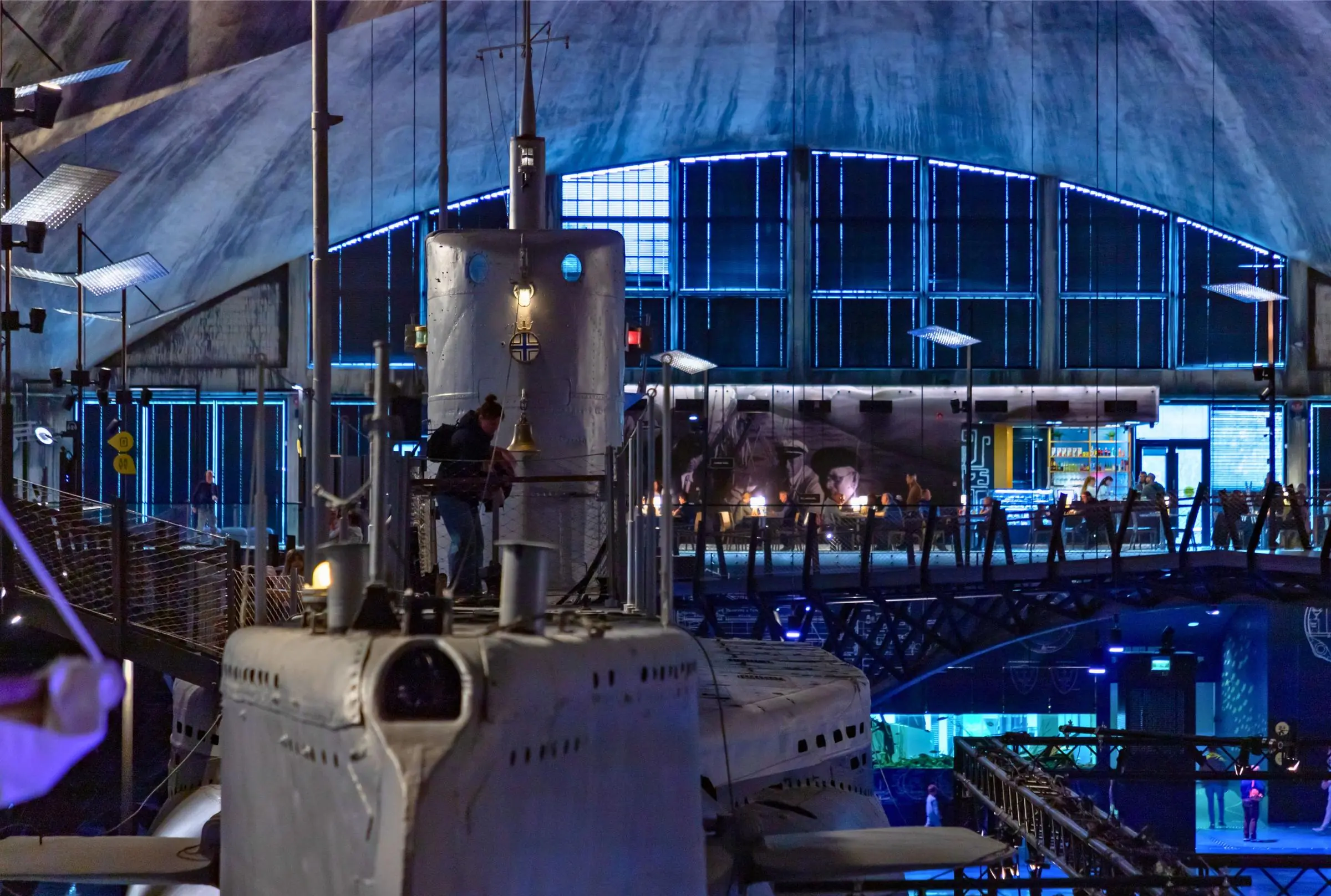
The undisputed centerpiece of the hangar is the Lembit, a 600-ton submarine built for the Estonian Navy in 1936 by the Vickers-Armstrongs shipyard in the UK. It is one of the few surviving pre-World War II submarines in the world that you can actually walk through.
You enter the submarine through a narrow hatch and walk the length of the vessel. Inside, you’ll see the torpedo tubes, the cramped crew quarters, the radio room, and the captain’s cabin. The preservation is excellent, with original wooden paneling and brass fittings still intact.
- Practical Tip: The interior is highly authentic, which means it is extremely cramped. You will need to step over high bulkheads and duck through small circular doorways. If you suffer from claustrophobia or have mobility issues, you may want to view it from the outside walkways instead.
2. Short Type 184 Seaplane Replica
Suspended from the ceiling above the submarine is a full-scale replica of a Short Type 184 seaplane. This British-designed aircraft has a specific claim to fame in military history: in 1915, a Short 184 became the first aircraft in the world to sink an enemy ship using an air-launched torpedo.
The Estonian military operated several of these seaplanes in the 1920s and 1930s. Since no original Short 184s survived anywhere in the world, the museum commissioned this exact replica based on original blueprints.
3. The Maasilinn Shipwreck
Located on the ground floor (the “seabed” level) is the Maasilinn ship, the oldest recovered shipwreck in Estonian waters. Dating back to around 1550, this wooden vessel was built on the island of Saaremaa and was likely used for cargo transport in the Baltic Sea.
It was discovered in 1985 and carefully excavated. What makes it interesting is the shipbuilding technique—it shows a transition between traditional clinker-built ships (overlapping planks, like Viking longships) and later carvel-built ships (planks laid edge-to-edge).
4. Icebreaker Suur Tõll (Outdoor Exhibit)
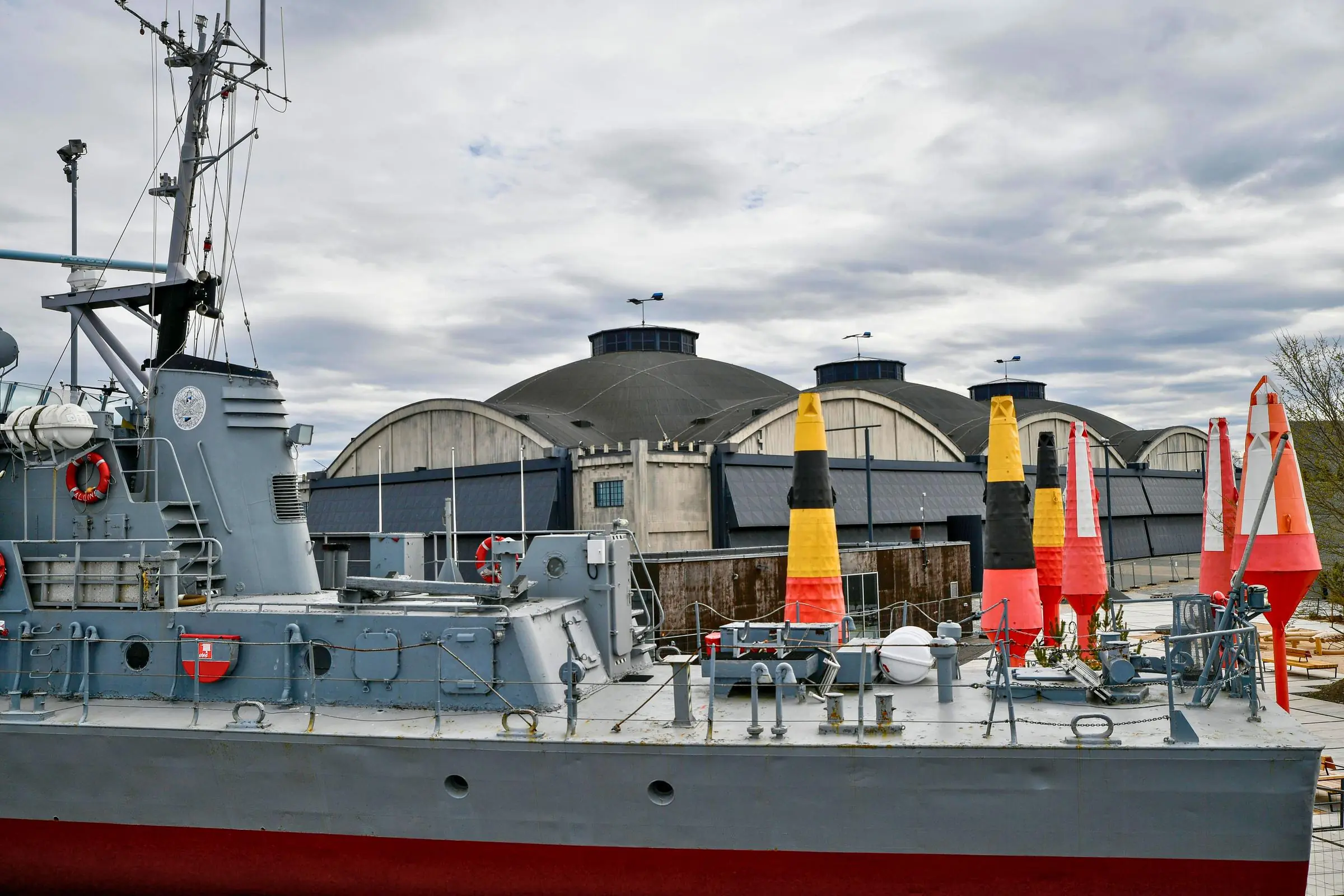
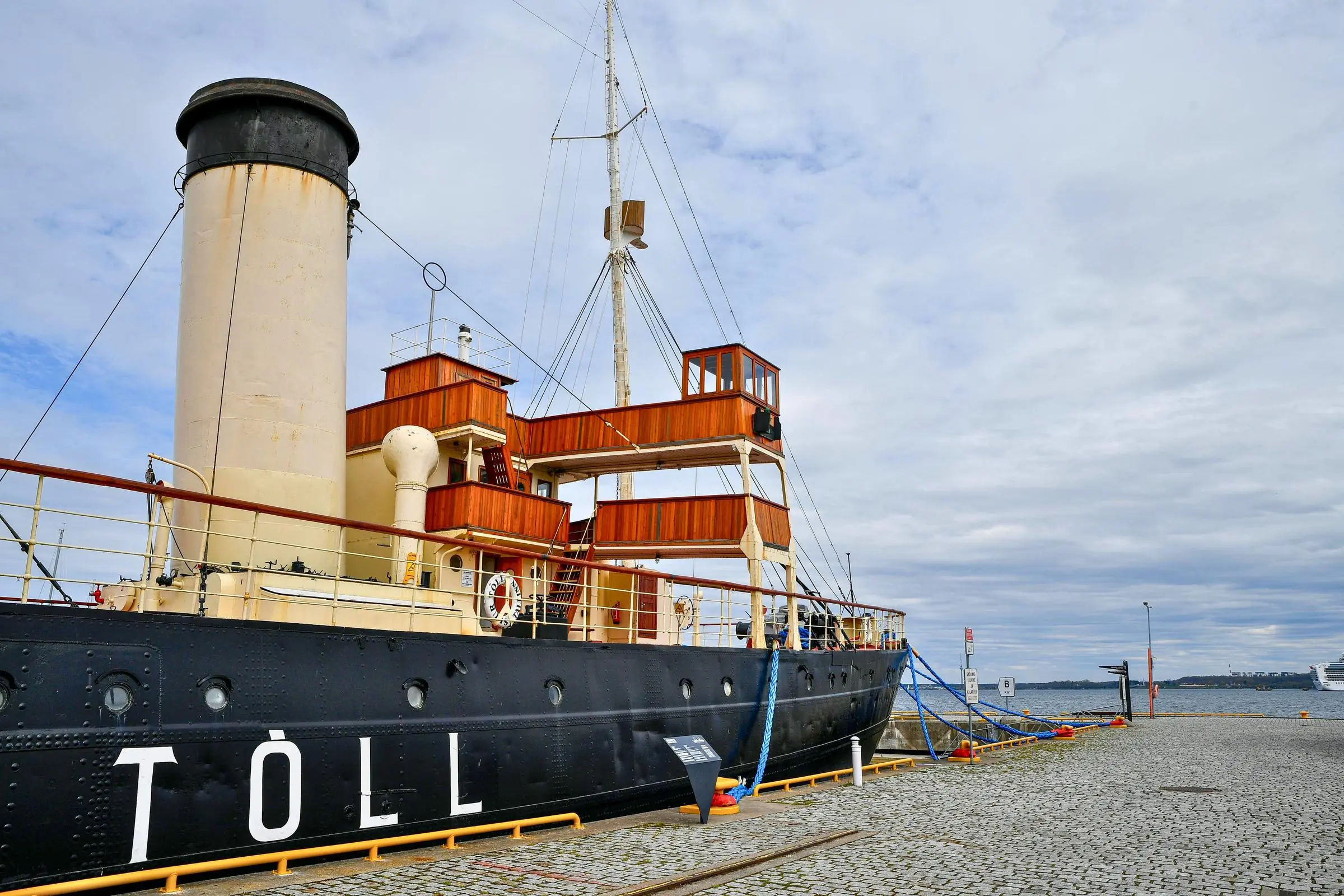
Your ticket includes access to the museum’s outdoor harbor, where several historic ships are moored. The most important is the Suur Tõll, a massive steam-powered icebreaker built in 1914.
Over its long life, the ship sailed under the flags of Imperial Russia, Finland, the Soviet Union, and finally, the Republic of Estonia. You can explore almost the entire ship, from the elegant, wood-paneled officers’ mess hall down to the grimy, coal-dusted boiler rooms.
- Practical Tip: Do not skip the engine room. The massive, multi-story steam engines are a fantastic example of early 20th-century industrial engineering. Budget at least 45 minutes just for this ship.
5. Interactive Flight Simulators & Yellow Submarine
The museum is heavily geared toward interactive learning. On the main floor, you’ll find a bright yellow submarine simulator that mimics a dive into the Baltic Sea, complete with rumbling seats and video screens.
Nearby, there are several flight simulators where you can try to pilot a virtual biplane over Tallinn. These are free to use but are highly popular.
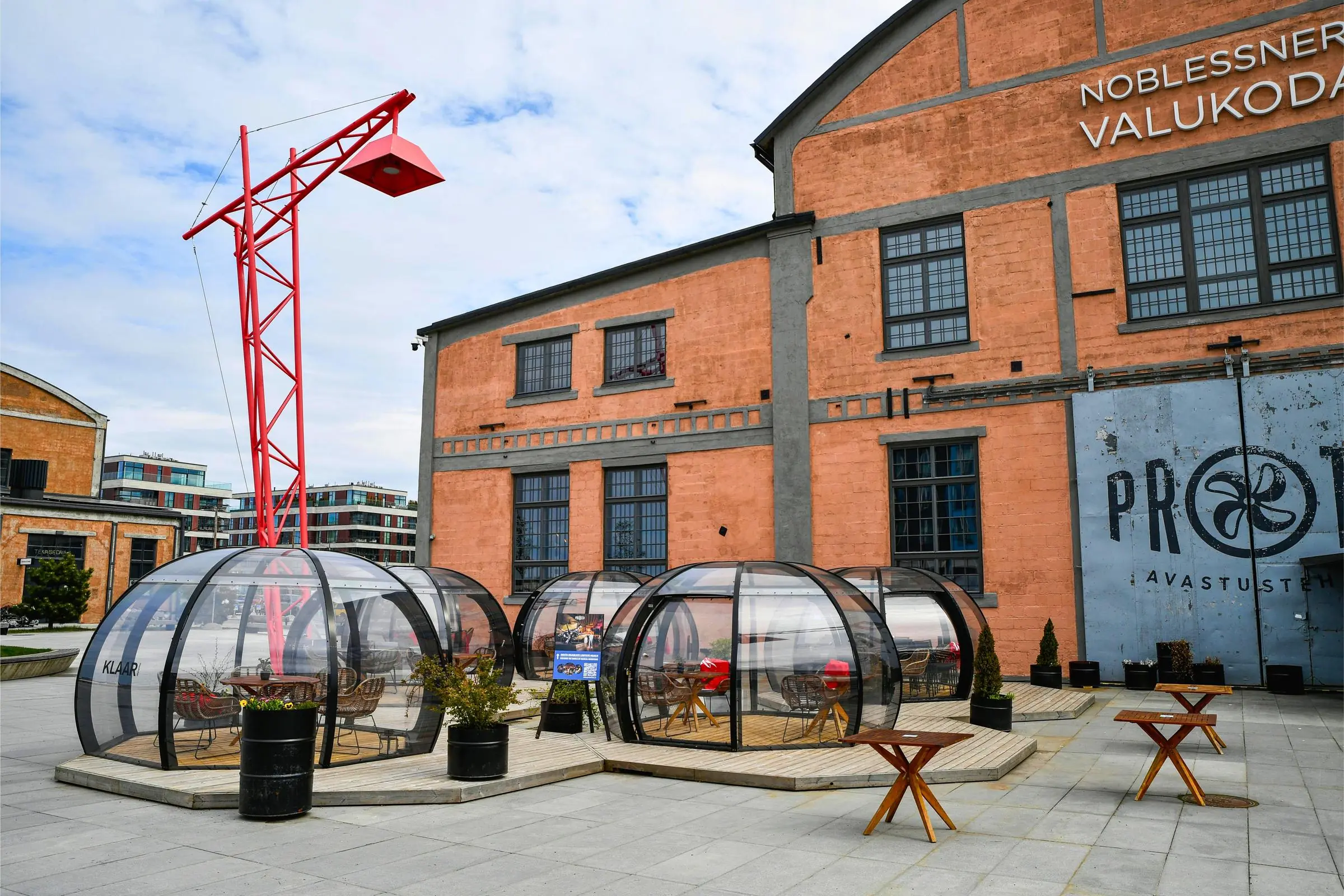
Keep Planning: If you enjoy the interactive, industrial vibe here, you should also visit the PROTO Invention Factory, located just a 5-minute walk away in the Noblessner quarter.
Ticket Options & Pricing
Because the Seaplane Harbour is part of the larger Estonian Maritime Museum network, you have several choices when buying tickets. You can buy a single entry, a combo pass with the nearby Fat Margaret tower, or use a city card.
Seaplane Harbour & Fat Margaret
- Includes skip-the-line entry to the Seaplane Harbour hangar and outdoor ships.
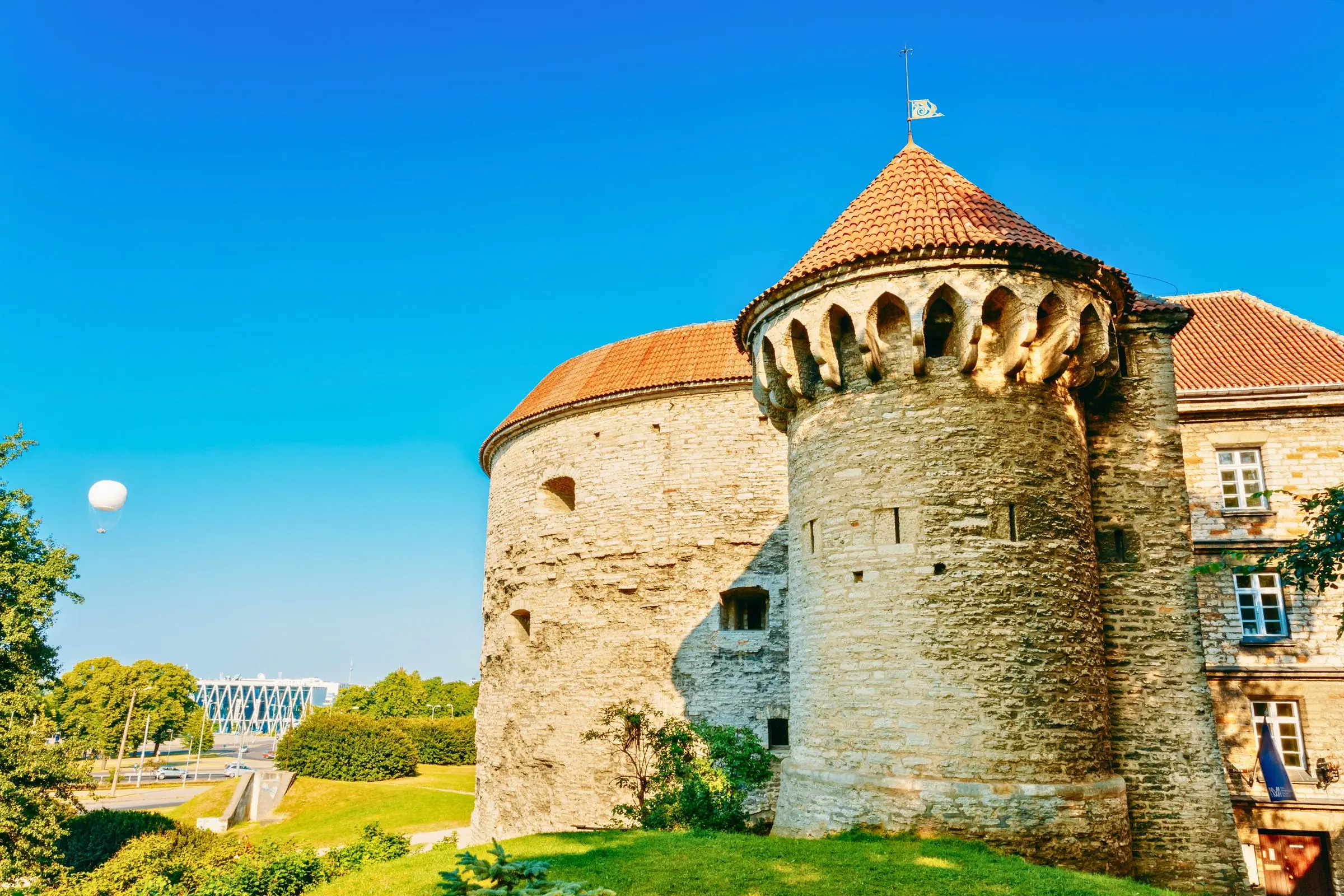
- Includes entry to Fat Margaret (the Maritime Museum’s Old Town branch).
- Valid for two days, so you don’t have to rush both in one afternoon.
- Saves €8 compared to buying individual tickets at the door.
Seaplane Harbour Only
- Full access to the hangar, Lembit submarine, and Suur Tõll icebreaker.
- Good if you only have a few hours and aren’t interested in the Old Town museum branch.
- Can be purchased online to skip the main ticket desk queue.
Is the Tallinn Card Worth It Here?
If you plan to visit the Seaplane Harbour, the TV Tower, and use public transport, the Tallinn Card quickly pays for itself. The Seaplane Harbour is one of the most expensive single-entry tickets in the city (€22), so using a city pass here provides immediate, high-value return. Read our full breakdown of the Tallinn Card to see the math.
Local Tips
The Seaplane Harbour appeals to almost everyone, but different traveler types need different strategies to get the most out of it.
For Families (Crowd Avoidance)
This is arguably the best museum in Tallinn for children, which means it gets loud and chaotic on weekends.
- The Strategy: Arrive exactly at 10:00 AM. Head straight to the flight simulators and the yellow submarine first before the queues build up. Then, go inside the Lembit submarine. Save the static exhibits and the outdoor ships for later in your visit when the hangar gets busy.
- Facilities: The museum is highly stroller-friendly, with wide ramps and large elevators. There is a cafe on the second floor with standard kid-friendly options (pasta, fries, meatballs).
For History Buffs
If you are here for the naval history, you will want to read the extensive digital displays.
- The Strategy: Budget at least 3 to 4 hours. The hangar itself takes about 2 hours if you read the placards, and the Suur Tõll icebreaker outside requires another hour.
- Don’t Miss: Look for the displays detailing the dramatic escape of the Estonian submarine Kalev (Lembit’s sister ship) during WWII, and the history of the naval fortress construction.
For the Time-Poor
If you are on a tight schedule (e.g., a cruise ship stopover), you can see the highlights in 90 minutes.
- The Strategy: Buy a skip-the-line ticket in advance. Walk the upper bridge for the aerial view, go straight down to walk through the Lembit submarine, spend 15 minutes looking at the Maasilinn shipwreck, and then head outside to do a quick 20-minute walkthrough of the Suur Tõll.
Logistics: How to Get There
The Seaplane Harbour is located in the Kalamaja district, right on the waterfront. It is slightly removed from the Old Town, but easily accessible.
By Bus: Take Bus 73 from the city center (stops at Viru or Vabaduse väljak). Get off at the “Lennusadam” stop, which drops you exactly at the museum’s parking lot. The ride takes about 15 minutes. See our public transport guide for ticketing details.
By Foot (The Scenic Route): Walking from the Old Town takes about 25 to 30 minutes. The best route is to walk through the Kalamaja neighborhood, passing the traditional wooden houses. Alternatively, you can walk along the coastal path (Kalaranna), which offers great views of the bay and takes you past the imposing Patarei Prison.
By Taxi/Ride-App: An Uber or Bolt from the Old Town will cost around €5–€7 and takes less than 10 minutes.
Where to Stay Nearby
If you want to stay near the waterfront and the creative hubs of Tallinn, the Kalamaja and Noblessner areas are excellent alternatives to the Old Town. They are quieter, highly walkable, and packed with great cafes.
Frequently Asked Questions
How long does it take to visit the Seaplane Harbour?
Most visitors spend between 2 and 3 hours here. You need about 1.5 to 2 hours for the main hangar (including the Lembit submarine) and another 45 minutes to explore the historic ships moored outside, particularly the Suur Tõll icebreaker.
Is the Seaplane Harbour wheelchair accessible?
Yes, the main hangar is highly accessible. There are wide ramps and elevators to navigate between the different levels of the exhibition. However, the interiors of the historic ships (the Lembit submarine and the Suur Tõll icebreaker) are not accessible due to steep, narrow stairs and high bulkheads.
Are the exhibit descriptions in English?
Yes. All major information panels, digital screens, and interactive displays are available in Estonian, English, and Russian. The audio guides (available for an extra fee) also offer multiple languages.
Can I take photos inside the Lembit submarine?
Yes, photography is allowed everywhere in the museum, including inside the submarine. However, flash photography and tripods are generally discouraged as the walkways can get crowded.
Is there a restaurant on site?
Yes, the MARU café is located on the second floor of the hangar, offering an open view of the exhibits. It serves a mix of Estonian coastal food (like fish soup and herring) as well as standard cafe fare like sandwiches, coffee, and pastries.
Does the Seaplane Harbour have air conditioning?
The massive concrete hangar stays relatively cool even in the summer, but it is not aggressively air-conditioned. In the winter, it can be quite chilly inside, so it is recommended to keep your coat on or use the museum’s cloakroom depending on the day’s temperature.