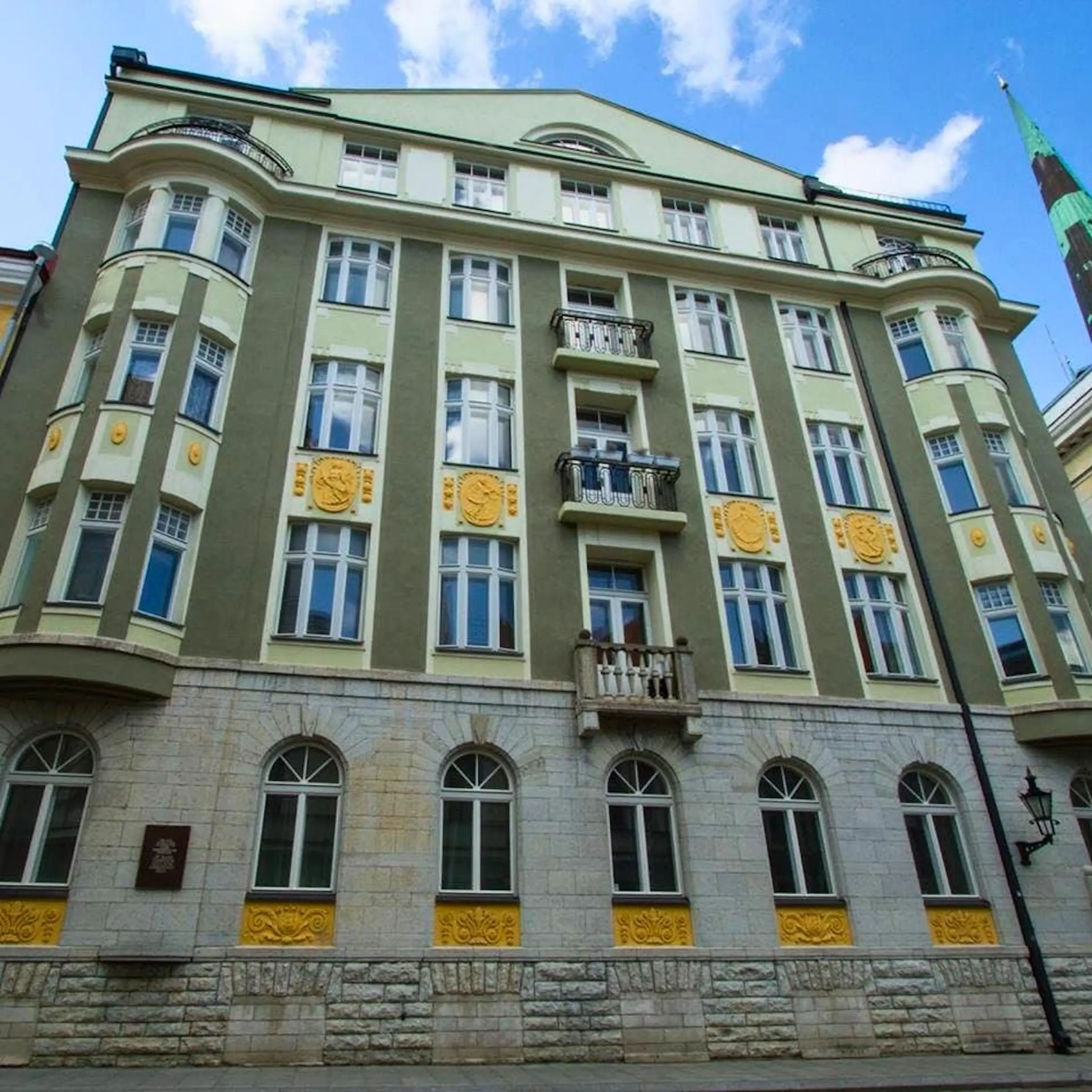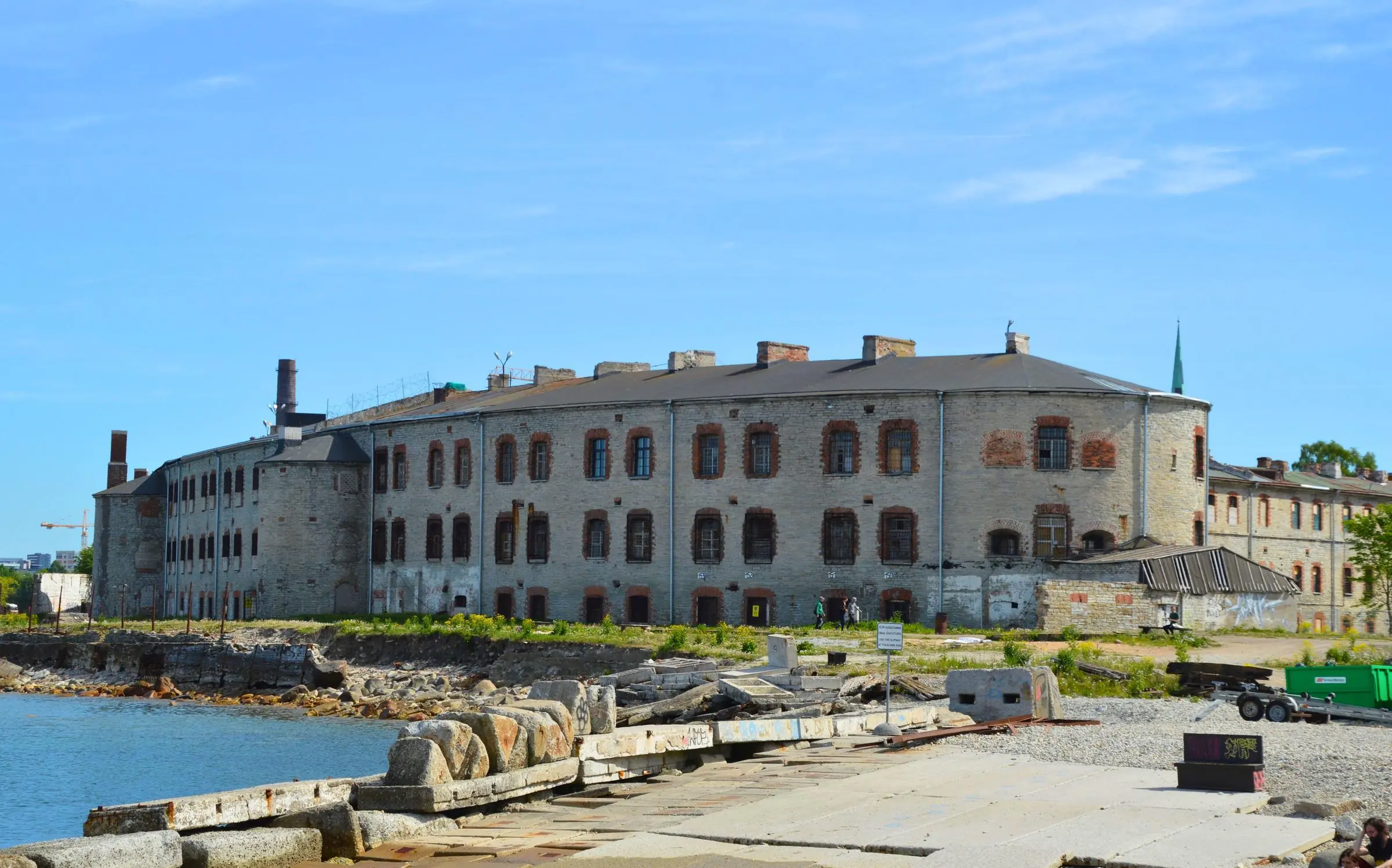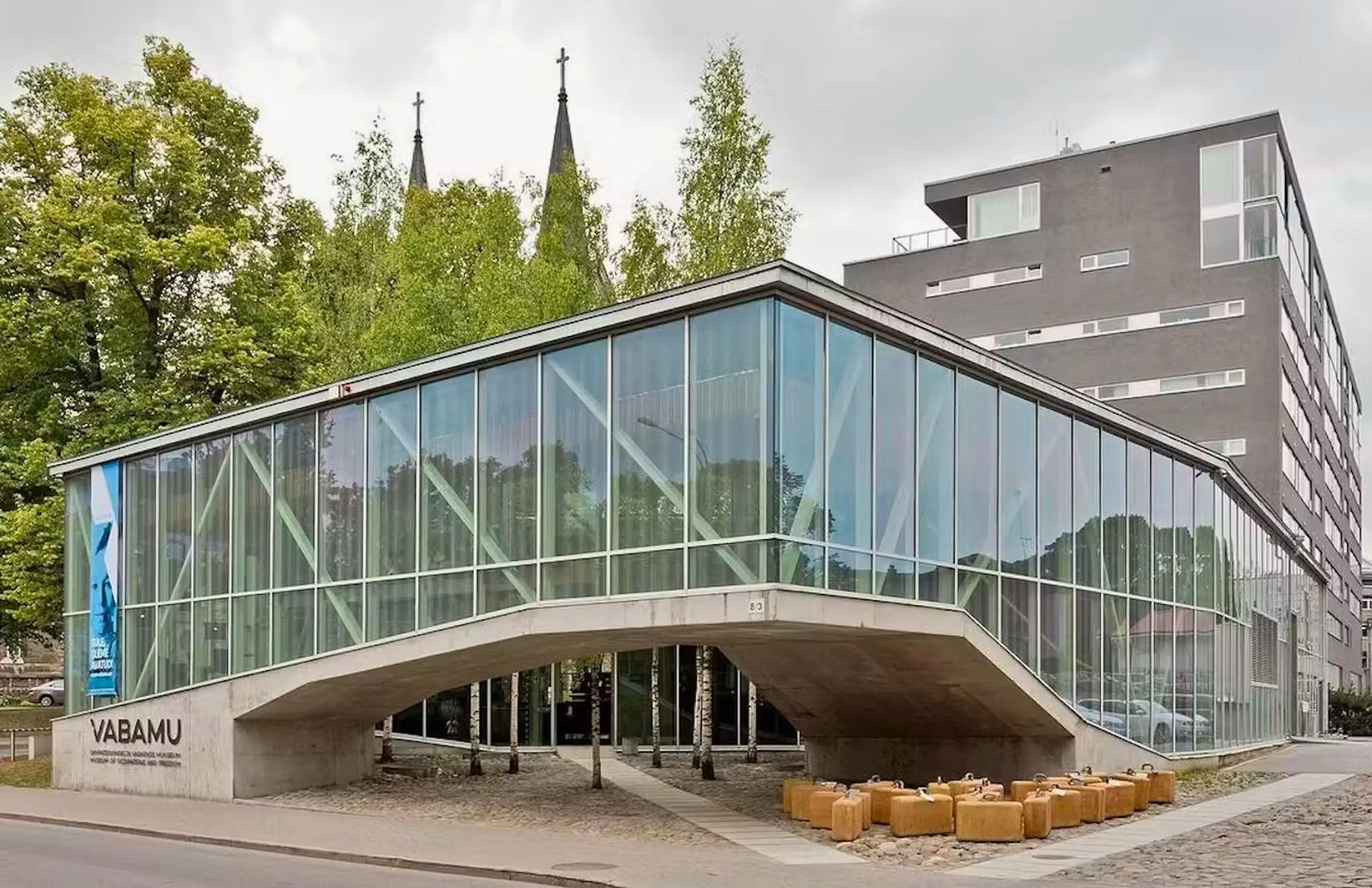
The Vabamu Museum of Occupations and Freedom is not a traditional museum of glass cases and dry text plaques. Located just steps from the edge of Tallinn’s medieval center, it documents the period from 1940 to 1991 when Estonia was occupied alternately by the Soviet Union and Nazi Germany.
Instead of focusing purely on geopolitical dates and military movements, Vabamu carries its cultural weight by focusing on the human element. The permanent exhibition, “Freedom Without Borders,” uses personal narratives to explain how ordinary Estonians survived deportations, maintained underground resistance, and eventually sang their way back to independence.
Because the museum relies heavily on an interactive e-guide device to deliver these stories, knowing how to navigate the space is crucial. Here is how to plan your visit, what to look for, and how to fit it into your broader Tallinn itinerary.
If you plan to visit both Vabamu and the nearby KGB Prison Cells in the Old Town, do not buy separate tickets. A combined pass saves you money and provides a more complete picture of the Soviet occupation.
How to Visit: Advice for Different Travelers
Vabamu is a heavy, emotionally dense experience. Depending on your travel style and constraints, you should approach the museum differently.
For the Time-Poor If you only have 45 to 60 minutes, do not attempt to listen to every track on the e-guide. When you receive the device at the front desk, select the “Highlights” or “Short Tour” path. This will direct you to the most critical artifacts (like the deportation suitcases and the Singing Revolution room) while skipping the deeper, granular interviews. To save time at the door, secure your skip-the-line tickets in advance.
For Budget Travelers At €15 for a standard adult ticket, Vabamu is reasonably priced for a modern European museum. However, if you are visiting multiple sites in Tallinn, the Tallinn Card includes full entry to Vabamu, the KGB Prison Cells, and public transit. If you are only doing a few museums, the Vabamu & KGB Combo Ticket is your most cost-effective option.
For Families with Children The subject matter here involves war, secret police, and mass deportations. It can be intense for young children. However, Vabamu has designed a specific “Family Track” on their e-guide. This setting adjusts the narrative to be age-appropriate, focusing more on themes of fairness, resilience, and daily life rather than the brutal specifics of the gulags. The interactive freedom exhibits at the end of the museum are also highly engaging for teenagers.
Vabamu + KGB Prison Cells
- Entry to Vabamu Museum
- Entry to KGB Prison Cells (Pagari Street)
- E-guide included at Vabamu
- Valid for 2 days
Vabamu Entry Only
- Entry to Vabamu Museum only
- E-guide included
- Good if short on time
5 Historical Artifact Highlights: A Deep Dive
The museum is divided into five main sections: Inhumanity, Exile, Soviet Estonia, Restoration of Independence, and Freedom. Within these zones, several specific artifacts and displays anchor the narrative.
1. The Hidden Prison Doors
As you move through the “Inhumanity” section detailing the initial Soviet and Nazi occupations, you will encounter heavy, authentic prison doors salvaged from KGB holding cells. These aren’t replicas. The thick wood, the small viewing slots (the “judas hole”), and the heavy iron locks provide a tactile, chilling connection to the reality of political imprisonment. The e-guide triggers audio of former political prisoners describing the psychological weight of hearing those specific locks turn.
2. Personal Exile Suitcases
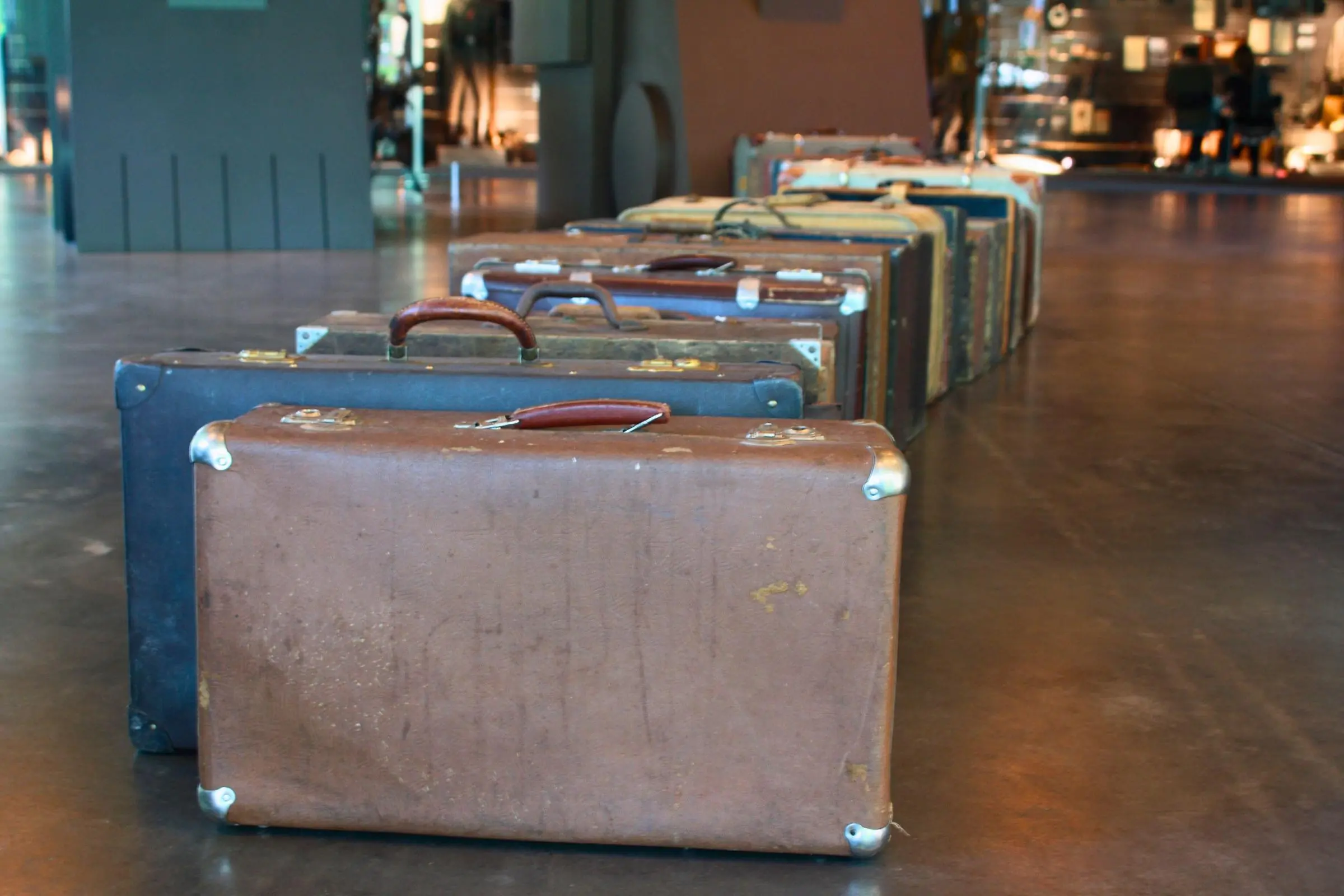
In 1941 and 1949, tens of thousands of Estonians were given mere hours to pack before being deported to Siberian labor camps. The “Exile” room features a collection of the actual suitcases, wooden chests, and hastily tied bundles that people took with them. Looking at the items they chose to save—a sewing machine, a family Bible, a specific winter coat—grounds the massive statistical tragedy in individual human panic and pragmatism.
3. Forest Brothers Underground Bunker Models
Following the Soviet re-occupation in 1944, thousands of Estonian men and women fled into the dense forests to wage a guerrilla war against the Red Army. Known as the “Forest Brothers,” they lived in elaborate underground bunkers. Vabamu features detailed scale models and reconstructed cross-sections of these hidden earthworks. The exhibit details their survival tactics, how local farmers smuggled them food, and the eventual, tragic suppression of the movement by the KGB.
4. Singing Revolution Video Diaries
The tone of the museum shifts dramatically as you reach the late 1980s. The “Restoration of Independence” section is dominated by the Singing Revolution. Instead of violent uprisings, Estonians gathered by the hundreds of thousands at the Song Festival Grounds to sing forbidden national anthems. The museum features immersive video diaries and archival footage of the Baltic Way—a human chain of two million people stretching across Estonia, Latvia, and Lithuania. The audio here is powerful; you hear the actual choral recordings that defied an empire.
5. Interactive Freedom Exhibits
The final section of the museum asks a simple question: What does freedom mean to you? This area is highly interactive. Visitors can leave digital messages, interact with data visualizations about modern civil liberties, and explore how Estonia transitioned from a post-Soviet state into a digital pioneer (e-Estonia). It serves as a necessary, optimistic palate cleanser after the heavy historical sections.
The E-Guide Deployment Parameters Vabamu does not use traditional wall text. Upon entry, you are handed a smartphone-like device and headphones. This e-guide uses indoor positioning technology. As you walk near an artifact, the relevant audio track automatically deploys. It is available in 7 languages (Estonian, English, Russian, Finnish, German, French, and Spanish). Tip: Make sure your headphones fit comfortably before leaving the lobby, as you will be wearing them for the duration of your visit.
Suggested Itinerary: Navigating the Museum
To get the most out of the e-guide without experiencing museum fatigue, follow this pacing strategy.
The 90-Minute Vabamu Route
⏱️ Total: 1 h 30 minLobby & E-Guide Setup
Collect your device, select your language, and choose the “Standard Tour” path. Test the volume before entering the first dark corridor.
Inhumanity & The Prison Doors
Move slowly through the initial occupation timeline. Spend time at the KGB prison doors and listen to the survivor testimonies.
Exile & The Forest Brothers
Examine the deportation suitcases and the bunker models. This is the heaviest part of the museum; take a moment on the provided benches if needed.
Soviet Estonia (Daily Life)
Explore the artifacts of daily Soviet life—contraband Western goods, state-issued radios, and the absurdity of the planned economy.
The Singing Revolution
Watch the Baltic Way footage. The e-guide audio here is essential for understanding the peaceful nature of the resistance.
Freedom & Exit
Interact with the digital freedom exhibits, return your e-guide, and browse the small but well-curated museum shop.
Logistics: Transit Paths Near Toompea Hill
Vabamu is located at Toompea 8, sitting right at the base of Toompea Hill, making it an easy addition to a day spent exploring the Old Town.
Walking from Toompea Castle: If you are already up on the hill visiting Toompea Castle or the Alexander Nevsky Cathedral, you can walk down the slope via Komandandi tee. The walk takes about 5 to 7 minutes downhill. The museum’s modern glass facade stands out clearly against the trees.
Public Transit: The closest major transit hub is Vabaduse väljak (Freedom Square), located just a 3-minute walk away.
- Trams: Lines 3, 4, and 5 stop at Vabaduse väljak.
- Buses: Numerous lines (including 5, 18, 36, and 73) stop here. From the square, look toward the hill and walk up Kaarli puiestee (Kaarli Boulevard); the museum will be on your right.
Accessibility: Unlike many historical buildings in Tallinn, Vabamu was built with modern accessibility in mind. The entire museum is wheelchair accessible, with ramps and elevators connecting the different levels. The e-guide also features a specific track for visually impaired visitors, providing detailed audio descriptions of the physical space.
Keep Planning: If you are interested in the broader context of the Soviet era, consider booking a Hidden Tallinn: Soviet Walking Tour. These tours often start near Vabamu and explore the brutalist architecture and hidden histories outside the medieval walls.
Where to Stay Nearby
Staying near Freedom Square (Vabaduse väljak) puts you at the perfect intersection between the medieval Old Town and the modern city center. It is an ideal base for visiting Vabamu and accessing public transit.
FAQ
How much time do I need at Vabamu Museum?
Most visitors spend between 90 minutes and 2 hours here. Because the e-guide drives the experience, you move at the pace of the audio tracks. If you listen to every single interview, it can take up to 3 hours.
Is Vabamu Museum appropriate for young children?
The subject matter is heavy (war, deportation, imprisonment). However, the museum provides a specific “Family Track” on the e-guide that frames the history in a more accessible, less graphic way for children aged 7 to 12.
Do I need to book tickets in advance?
While it rarely sells out completely, the lobby can get bottlenecked when large tour groups arrive to collect their e-guides. Buying a skip-the-line ticket or the Vabamu/KGB combo ticket in advance allows you to bypass the payment queue.
What is the difference between Vabamu and the KGB Prison Cells?
Vabamu is a large, modern, comprehensive museum covering the entire 50-year history of occupations and the restoration of independence. The KGB Prison Cells (located on Pagari Street) are the actual, preserved basement holding cells used by the secret police—it is a much smaller, site-specific historical remnant. They complement each other well.
Is there a cafe inside the museum?
There is no full restaurant, but there is a small seating area near the lobby with a coffee machine and light snacks. For a proper meal, walk 3 minutes down to Freedom Square, which is surrounded by cafes and restaurants.
Can I use my own headphones for the e-guide?
Yes. The e-guide devices have a standard 3.5mm headphone jack. If you prefer the comfort of your own wired headphones over the museum-provided ones, you are welcome to plug them in. Bluetooth headphones cannot be connected to the devices.
For official historical timelines and further reading on Estonia’s occupation, you can consult resources provided by Visit Estonia.