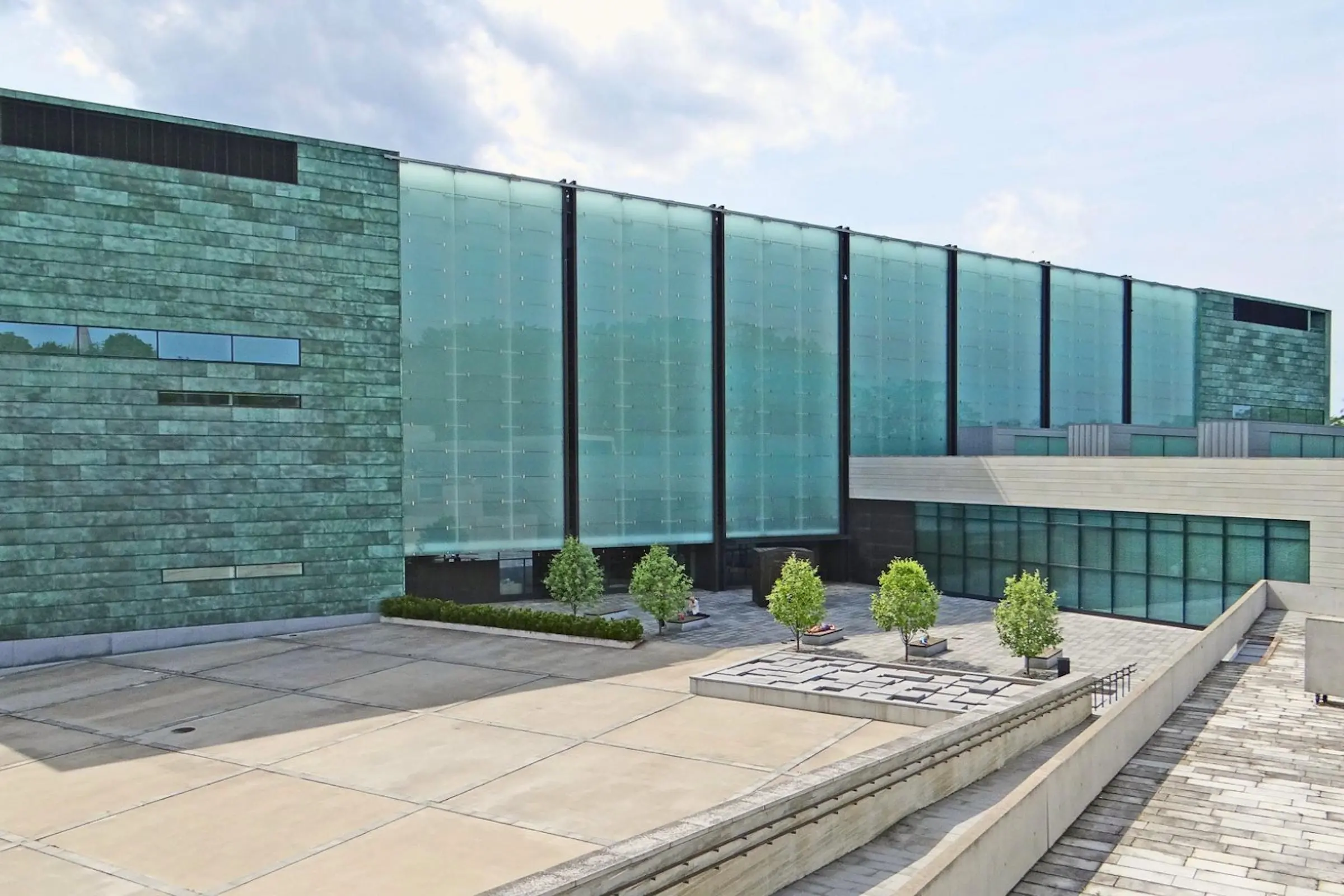
Sitting at the eastern edge of Kadriorg Park, the Kumu Art Museum (short for KUnstiMUuseum) is the headquarters of the Art Museum of Estonia. Unlike the baroque palace down the hill, Kumu is a striking, ultra-modern facility that serves as the main venue for the national gallery.
Whether you are here to trace the history of Baltic German portraiture, understand the visual rebellion of Soviet-era non-conformist artists, or simply admire the award-winning architecture, Kumu requires a bit of planning. The building is massive, spanning seven floors (five accessible to the public), and it is easy to burn out before you reach the contemporary wings.
This guide breaks down exactly how to tackle the museum, what to look for in the permanent collections, and how to combine your visit with a walk through the surrounding palace gardens.
How to Approach Kumu: Advice for Different Travelers
Because of its size, Kumu is best approached with a specific strategy based on your schedule and interests.
- For the Time-Poor: If you only have 90 minutes, skip the temporary exhibitions on the top floor and head straight to the 3rd and 4th floors. The 3rd floor covers the “Treasures of Estonian Art” (18th to mid-20th century), giving you the foundational history. The 4th floor covers the Soviet era, which offers the most distinct, localized context you won’t find in Western European galleries.
- For Budget Travelers: Standard entry tickets can add up if you are visiting multiple museums. If you plan to see Kumu, the Seaplane Harbour, and the TV Tower, you should absolutely pick up the Tallinn City Card. It covers entry to Kumu and includes unlimited use of the city’s trams and buses.
- For Families: Kumu is surprisingly accommodating for children. Head to the ground floor educational center first. They frequently host drop-in workshops where kids can paint or sculpt. The wide, ramped walkways throughout the museum are also highly stroller-friendly.
During the summer months and on weekends, the main ticket desk can develop a queue. If you have a Tallinn Card, you can bypass the main payment line and scan your card directly at the turnstiles.
The Architecture: Pekka Vapaavuori’s Limestone Block
Before looking at the art, it is worth understanding the building itself. Designed by Finnish architect Pekka Vapaavuori, who won the international design competition in 1994, the museum finally opened in 2006.
The structure is a masterclass in contextual architecture. Rather than building a towering block that would overshadow the historic Kadriorg Park, Vapaavuori designed Kumu to cut directly into the side of the Lasnamäe limestone cliff.
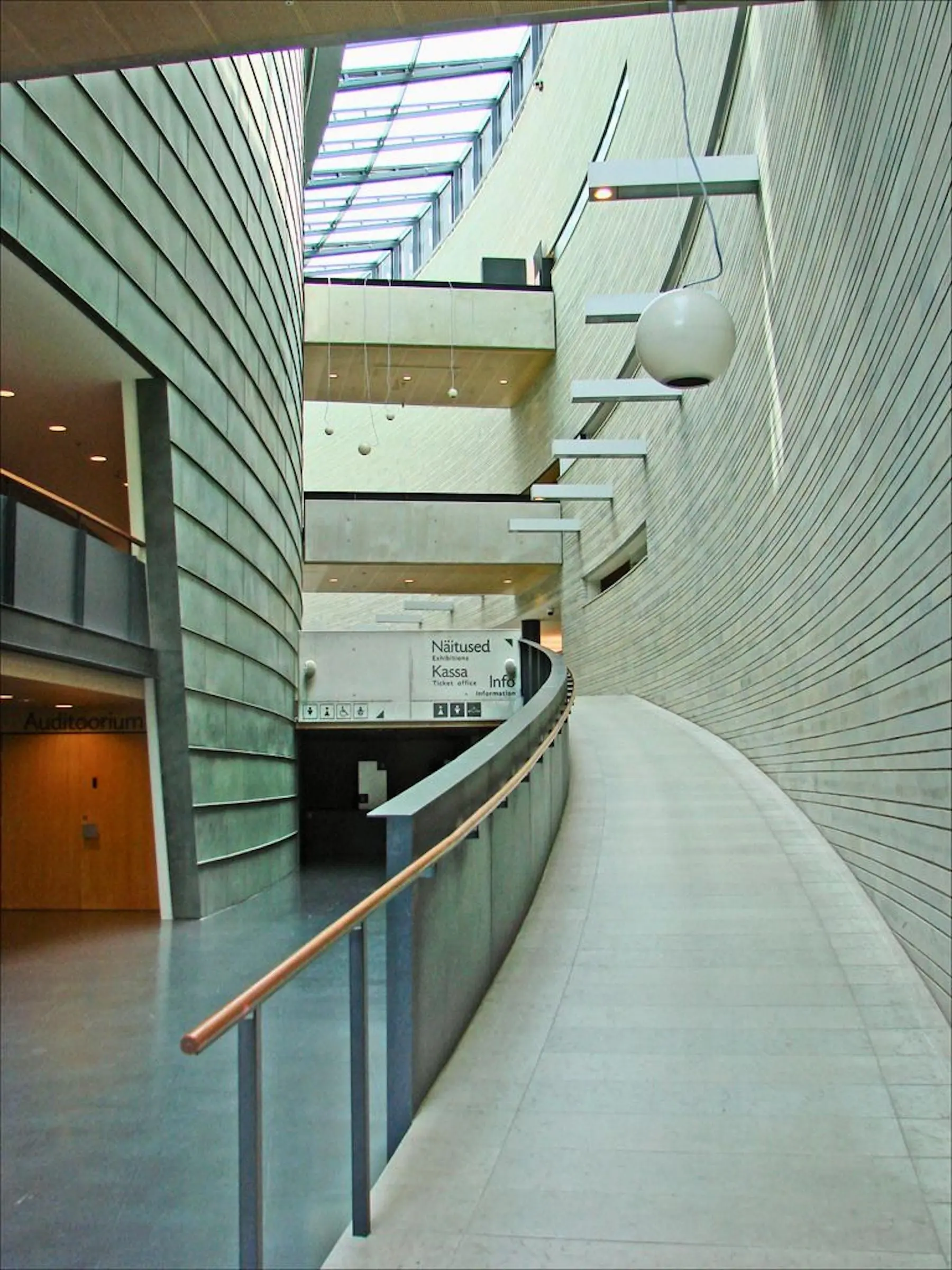
The building utilizes local materials—primarily Estonian dolomite, copper, and glass. The copper exterior is deliberately left to weather, slowly turning a muted green that blends with the surrounding parkland. The interior is defined by a massive, sweeping curved atrium that pulls natural light down into the subterranean levels. The ramp system connecting the floors feels almost industrial, providing a stark, neutral backdrop that prevents the architecture from competing with the artwork.
If you want to understand how this modern structure fits into the broader historical narrative of the area, consider booking a Tallinn Classic: Old Town and Kadriorg District Guided Tour, which provides excellent context on the transition from the 18th-century palace to this 21st-century gallery.
5 Gallery Highlights to Prioritize
With thousands of works on display, trying to see everything will lead to museum fatigue. Focus your energy on these five distinct areas.
1. Treasures of Estonian Art (3rd Floor)
This permanent exhibition is the definitive timeline of Estonian art from the 18th century through the end of the Second World War. It begins with Baltic German portraiture—stiff, formal paintings of the local nobility. As you move through the wing, you will see the emergence of a distinct Estonian national identity.
Pay special attention to the works of Johann Köler, the first professional painter of Estonian descent, and Konrad Mägi, whose vibrant, almost psychedelic landscapes of the Estonian countryside and the island of Saaremaa are considered national treasures.
2. Soviet-Era Non-Conformist Art (4th Floor)
This is arguably Kumu’s most fascinating wing. Titled “Conflicts and Adaptations,” this floor covers the period from the end of WWII to the restoration of independence in 1991.
The curation here is brilliant. One side of the gallery displays the state-sanctioned “Socialist Realism”—heroic paintings of factory workers, muscular farmers, and Soviet leaders. The other side showcases the underground, non-conformist art. You will see Estonian pop-art, hyperrealism, and abstract works that artists created in secret, often smuggling Western art magazines into the country for inspiration. It is a stark visual representation of the tension between the Soviet regime and Estonian cultural resistance.
3. Contemporary Temporary Exhibitions (5th Floor)
The top floor of Kumu is dedicated to rotating contemporary art. The exhibitions here change every few months and often feature large-scale installations, video art, and modern multimedia projects by both Estonian and international artists. Because this space is fluid, the quality and accessibility of the exhibits vary, but it is always worth walking through to see the current state of the Baltic art scene.
4. The Outdoor Sculpture Courtyard
Accessible from the main atrium, the inner courtyard is an open-air gallery framed by the building’s curved limestone walls. It features a mix of classic bronze statues and modern, abstract installations. In the summer, this courtyard is a quiet, shaded place to sit and take a break from the indoor galleries. The acoustics here are also unique, capturing the ambient sounds of the nearby park while blocking out city traffic.
5. Interactive Educational Centers
Located on the ground floor, the Kumu Educational Centre is designed to make art accessible. It isn’t just for children; adults can also participate in scheduled ceramics, printmaking, and painting workshops. Even if you don’t join a class, the open studio spaces often have interactive displays explaining the techniques used in the galleries above—such as how lithographs are pressed or how bronze is cast.
Tallinn Card
- Includes full entry to Kumu Art Museum
- Free unlimited public transport (trams/buses)
- Entry to Kadriorg Palace and 40+ other museums
Private Kumu Art Museum Tour
- Skip-the-line entry included
- Dedicated art historian guide
- Deep dive into the Soviet non-conformist wing
Logistics: Getting to Kumu
Kumu is located at Weizenbergi 34 / Valge 1. Because it is built into a hill, there are two main ways to approach it, and your choice dictates your physical exertion.
The Scenic Route (Lower Entrance): Take Tram 1 or 3 from the city center to the Kadriorg terminus. From the tram stop, it is a flat, 15-minute walk through Kadriorg Park, past the Swan Pond and the Kadriorg Palace. Once you pass the palace, you will face a steep pedestrian walkway leading up to Kumu’s lower entrance.
The Direct Route (Upper Entrance): If you want to avoid walking uphill, take Bus 31, 39, 67, or 68 from the city center and get off at the Kumu bus stop on Laagna Road. This drops you at the top of the limestone cliff, allowing you to enter the museum’s upper doors and work your way down.
If you are using the Hop-On Hop-Off Bus Tour, the Kadriorg route stops near the lower park entrance, meaning you will need to walk through the gardens to reach the museum.
Accessibility Note: Kumu is fully wheelchair and stroller accessible. There are elevators connecting all floors, and the ramps are wide with gentle inclines. If you have mobility issues, use the upper entrance via the Kumu bus stop to avoid the steep hill in Kadriorg Park.
Mapping Your Walk Through Kadriorg Park
If the weather is clear, approaching Kumu through Kadriorg Park is half the experience. Here is a logical walking route from the tram stop to the museum doors.
The Kadriorg Park Approach
⏱️ Total: 30 minKadriorg Tram Terminus
Disembark Tram 1 or 3. Cross the street and enter the park through the main gates. The path is wide, paved, and lined with old-growth trees.
The Swan Pond
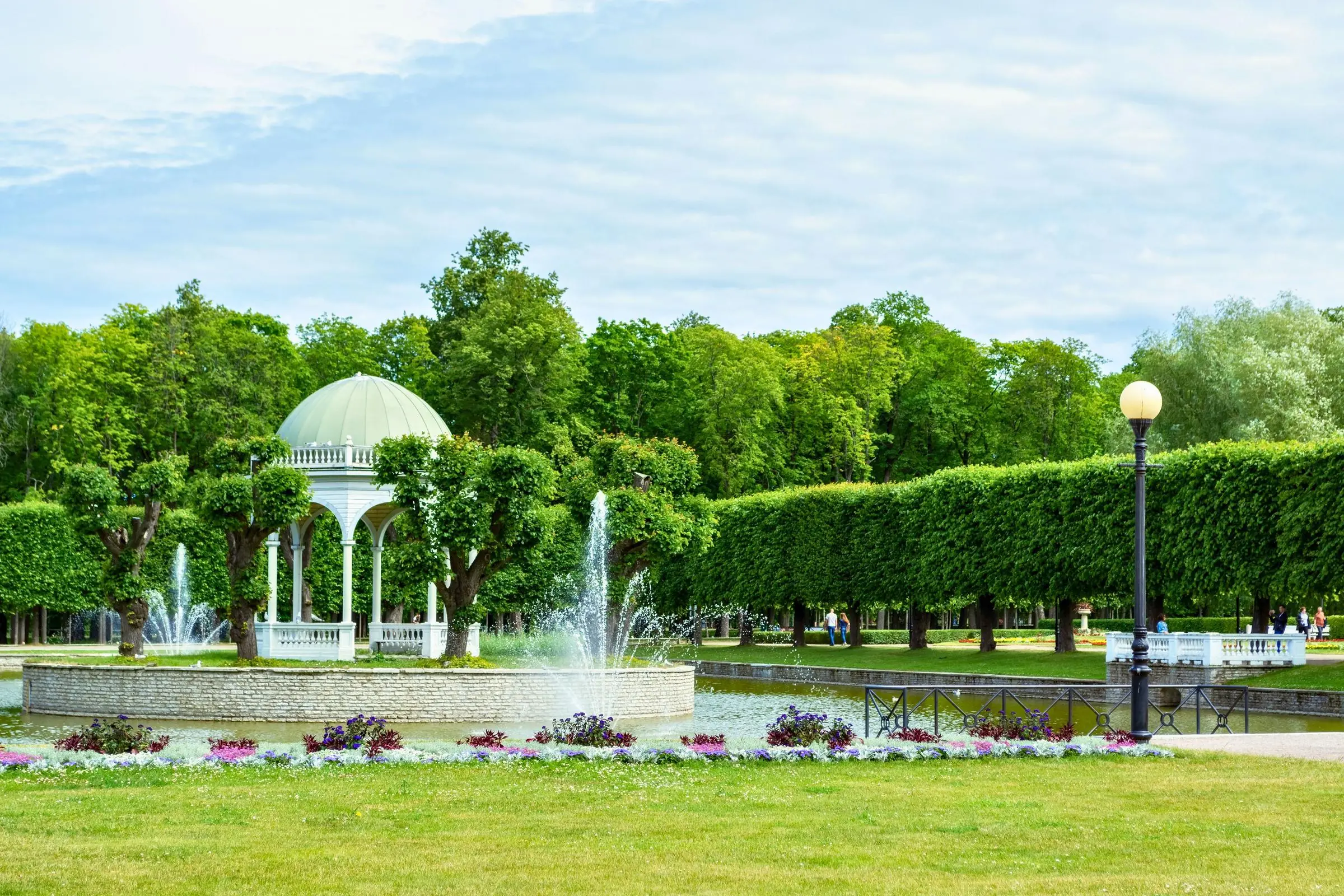
You will quickly reach the Swan Pond on your left, featuring a central gazebo and manicured flower beds. This is a classic photo spot. Continue straight along the main promenade (Weizenbergi street).
Kadriorg Palace
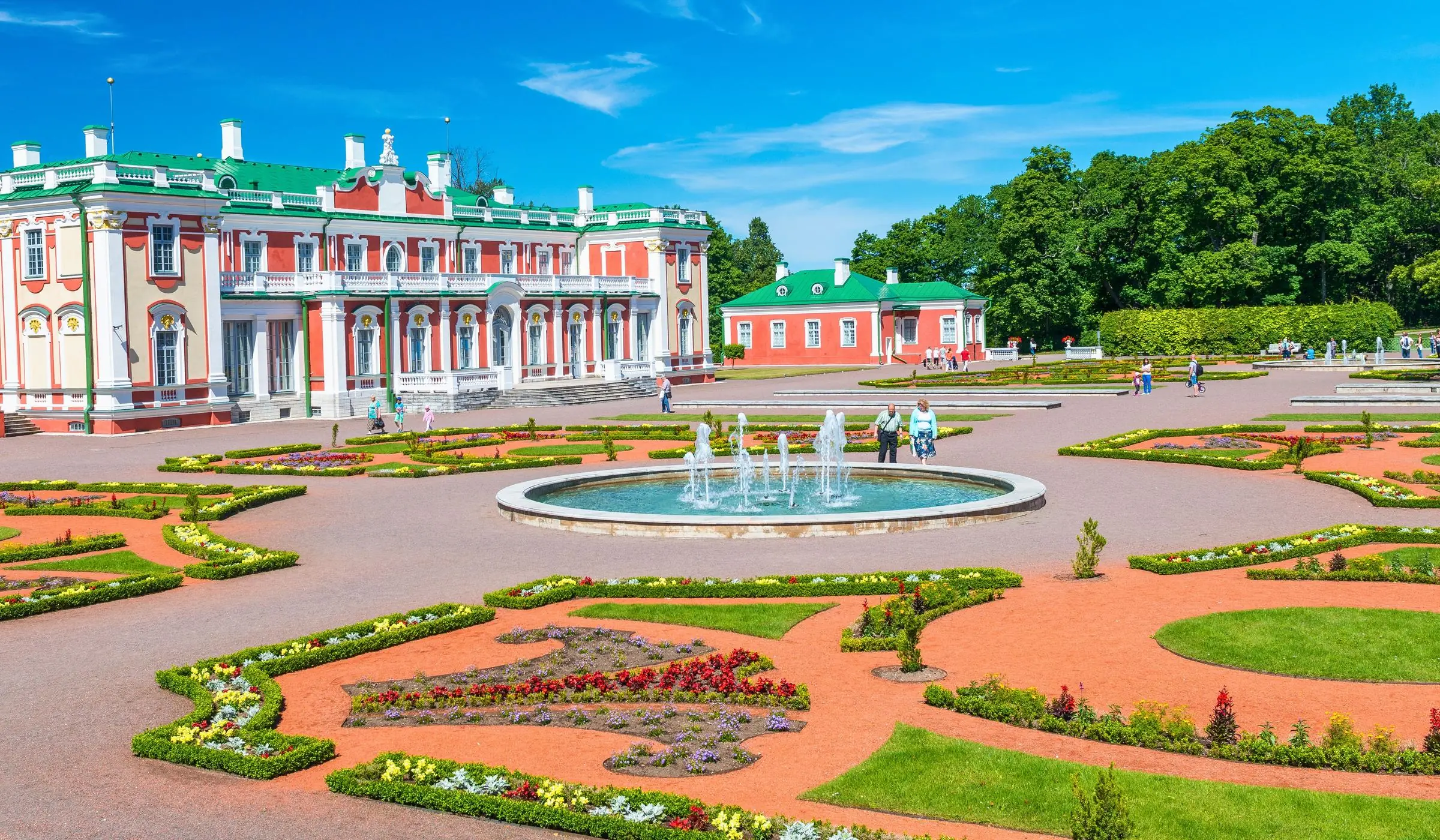
The path opens up to reveal the pink and white baroque facade of Kadriorg Palace, built by Peter the Great. You can detour into the geometric flower gardens behind the palace for free.
The Ascent to Kumu
Walk past the palace and the adjacent Presidential Palace (guarded by soldiers). The path will begin to incline sharply. Follow the signs for Kumu up the pedestrian ramp.
Arrival at Kumu
You will arrive at the lower entrance of Kumu. The glass doors lead directly into the main atrium where the ticket desks and cloakrooms are located.
Local Tips & Practicalities
Cloakroom and Lockers: Estonian museums are strict about outerwear. You must leave heavy coats, large backpacks, and umbrellas in the cloakroom or the free self-service lockers on the ground floor. Have a €1 coin ready for the locker deposit (it is returned when you open it).
Dining at Kumu: The museum has a cafe on the ground floor. It serves excellent coffee, light pastries, and a daily lunch special (usually a soup and a hot dish) that is popular with local office workers. It is reasonably priced and a great spot to rest your legs. If you want a more substantial meal, walk back down into Kadriorg Park to Katharinenthal near the Swan Pond for cakes and bistro food.
Photography: Photography is allowed in all permanent exhibitions, provided you do not use a flash. Some temporary exhibitions on the 5th floor may have strict no-photography rules due to copyright; look for the crossed-out camera signs at the entrance of those specific galleries.
Keep Planning: If you are exploring this area for the day, read our dedicated Kadriorg Palace Guide to see what is inside the pink baroque building down the hill.
Where to Stay Near Kumu
Staying in the Kadriorg neighborhood offers a quieter, leafier alternative to the bustling Old Town. It is ideal for travelers who prefer morning runs in the park and easy access to the city’s best cafes. Use the map below to find accommodations within walking distance of the museum.
Frequently Asked Questions
How much time do I need to visit Kumu Art Museum?
To see the permanent collections and do a quick walk-through of the temporary exhibits, plan for at least 2 to 2.5 hours. If you are an art history enthusiast, you could easily spend 4 hours here.
Is Kumu Art Museum free on certain days?
Kumu is not generally free, but entry is completely covered if you hold an active Tallinn Card. Occasionally, the museum participates in national museum days or offers discounted entry during the annual “Museum Night” in May.
Can I buy tickets at the door?
Yes, you can buy tickets at the main desk in the atrium. However, during peak summer weekends, buying a digital ticket or having a city pass will save you time in line.
Are the exhibition descriptions in English?
Yes. Kumu is highly accessible for international visitors. All permanent and temporary exhibitions feature detailed wall texts and placards in Estonian and English.
Is there parking available at Kumu?
Yes, there is a free parking lot for museum visitors at the upper entrance (Valge 1). You must register your license plate at the museum’s ticket desk to avoid a fine.
Is Kumu air-conditioned?
Yes, the entire building is climate-controlled to protect the artwork, making it a great place to escape the heat on a rare hot summer day in Tallinn, or to warm up during the freezing winter months.