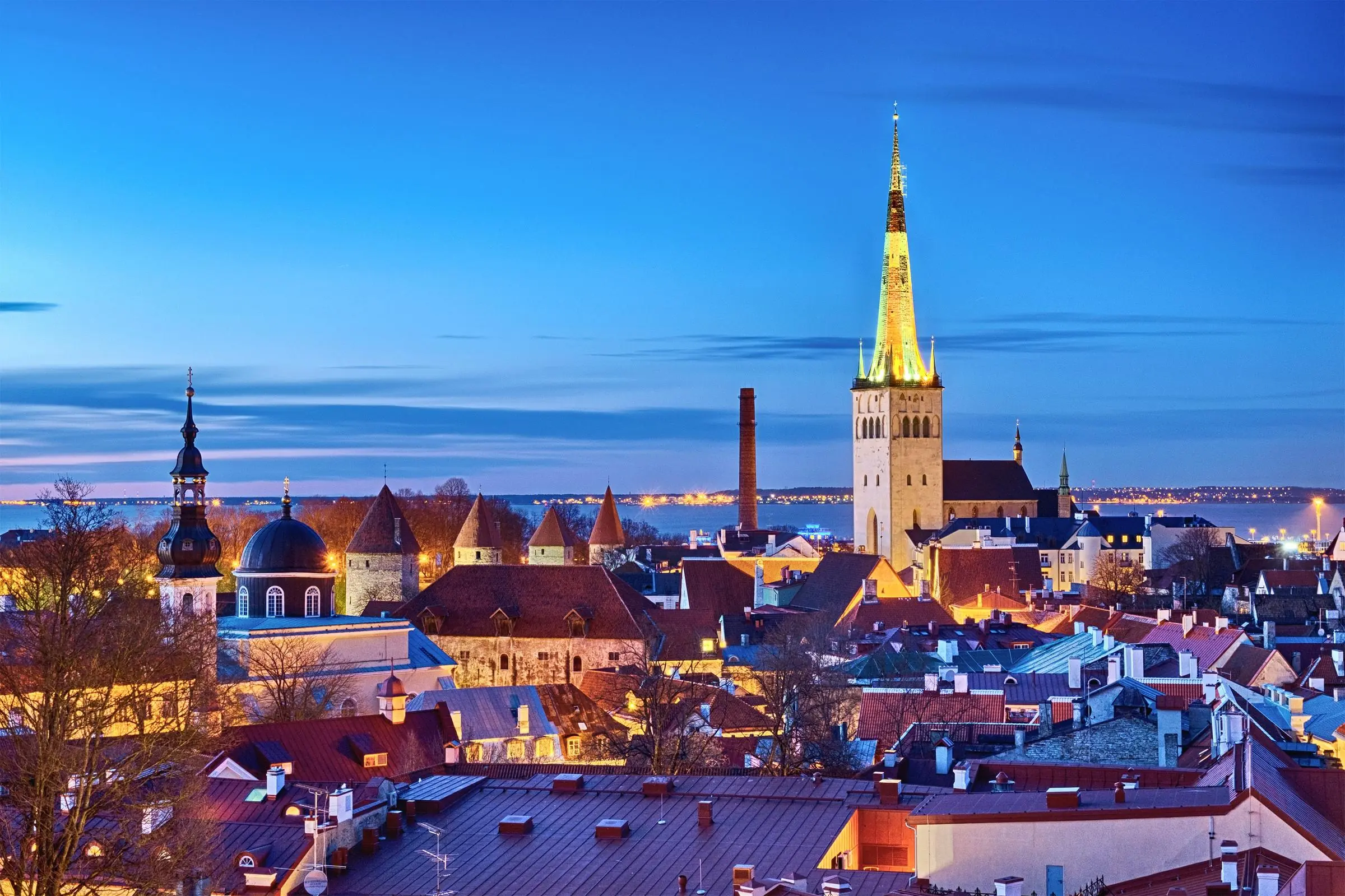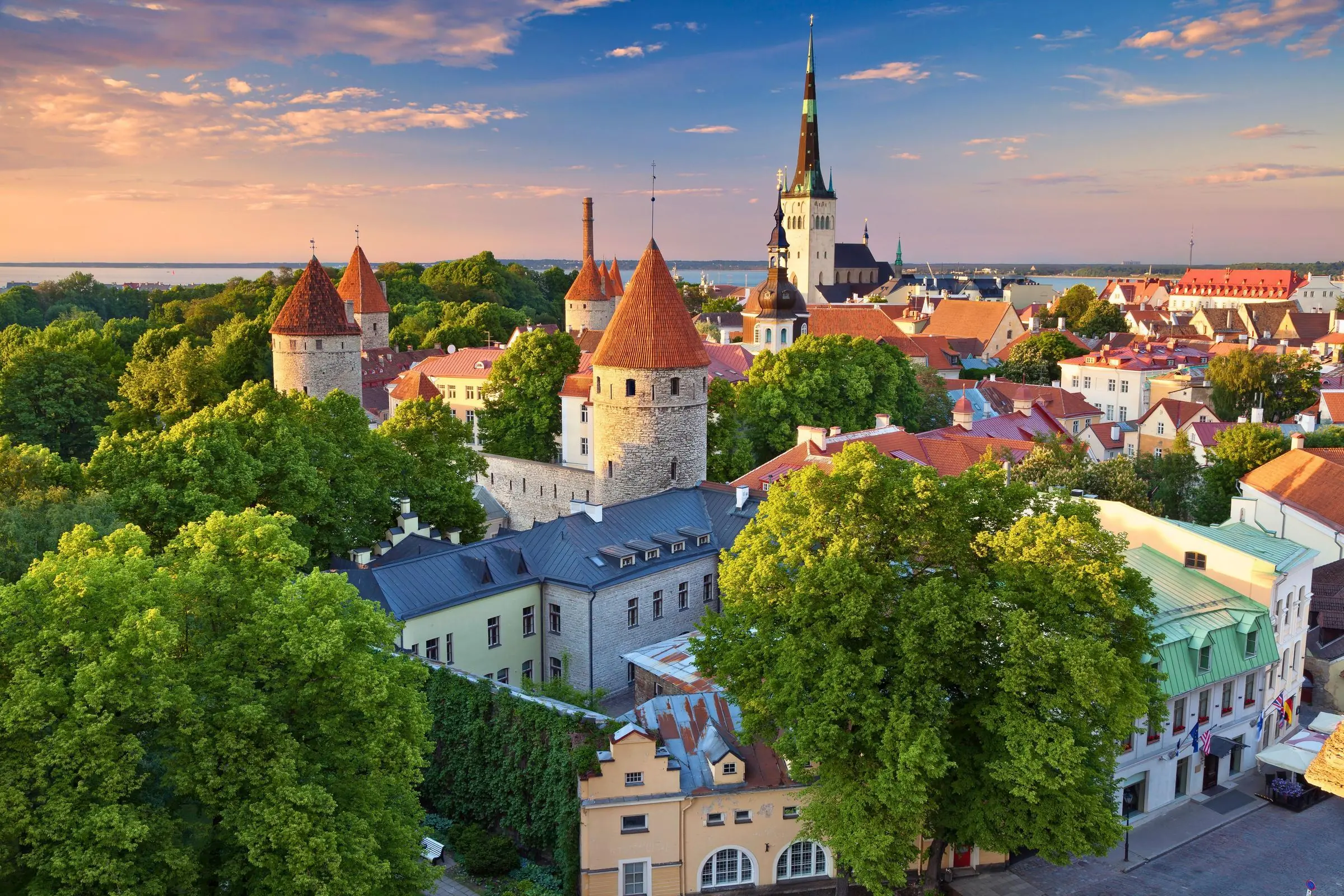
Perched on the northern edge of Toompea Hill’s limestone cliff, Patkuli Viewpoint offers what is arguably the most structurally complex view over Tallinn. While the nearby Kohtuotsa Viewpoint gives you a broad, sweeping panorama of the red roofs, Patkuli is where you go to capture the city’s defensive geometry.
From this terrace, the medieval lower town, the passenger port, and the sprawling Kalamaja district align in a way that naturally draws the eye. Whether you are a dedicated landscape photographer carrying a tripod or a casual visitor with a smartphone, understanding the layout of this specific terrace will help you get better shots and avoid the worst of the mid-day cruise ship crowds.
This guide breaks down exactly how to approach Patkuli Viewpoint, detailing the specific compositions to look for, the physical reality of the steep access stairs, and how to stay safe if you are visiting during an Estonian winter.
How to Visit Based on Your Travel Style
Because Patkuli is a free, open-air public space, you don’t need entry tickets to access it. However, how you incorporate it into your day depends heavily on your schedule and mobility.
- For the Time-Poor: If you only have a few hours in Tallinn, bundle Patkuli with a guided walking tour that covers both the Upper and Lower Town. The most efficient route is to start at Toompea Castle, walk to the viewpoints, and then descend the Patkuli stairs to exit directly into the lower town near the train station.
- For Photographers: Arrive at sunrise. The viewpoint faces north/northeast, meaning the early morning light hits the side of St. Olaf’s Church and the medieval towers beautifully. A dedicated private photo walk can also help you find secondary angles along the cliff edge.
- For Families & Low Mobility: Do not attempt to climb up the Patkuli stairs from the bottom if you have a stroller or mobility issues—there are 157 steep stone steps. Instead, access the viewpoint from the flat, cobbled streets of Toompea Hill (via Rahukohtu street) and return the same way.
- For Budget Travelers: The viewpoint is entirely free and open 24/7. It is one of the best zero-cost activities in the city.
5 Strategic Photography Compositions
Patkuli isn’t just a wide-angle snapshot location. The landscape here is layered. To get the most out of your visit, look for these five specific compositional elements.
1. St. Olaf’s Spire Framing Vectors
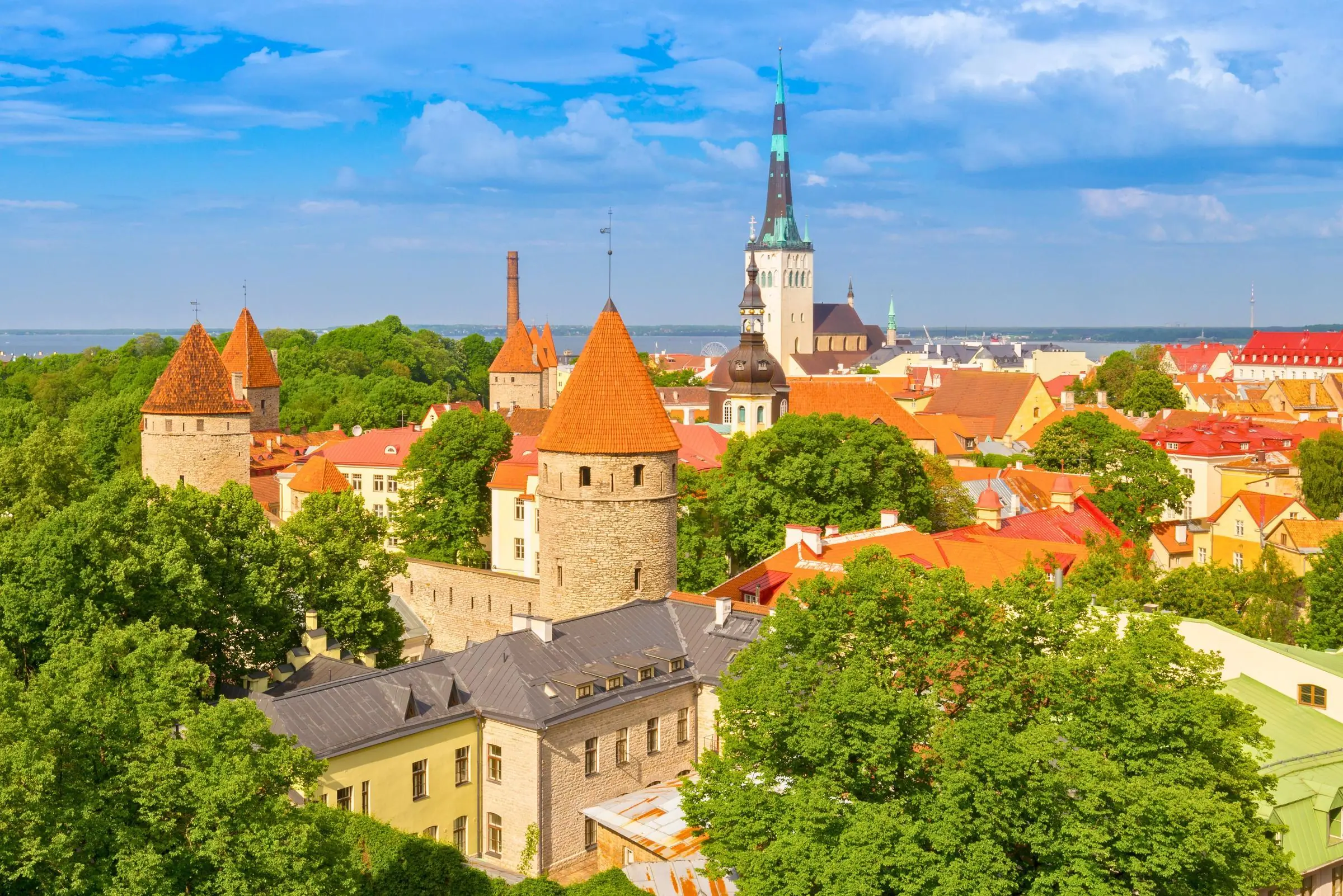
The massive, dark spire of St. Olaf’s Church dominates the right side of the frame from Patkuli.
- The Shot: Instead of placing the spire dead center, use the line of the medieval wall to lead the viewer’s eye diagonally from the bottom left of your frame up toward the spire on the right.
- Focal Length: A standard 50mm lens (or your phone’s main 1x camera) is ideal here. It compresses the distance just enough to make the church look imposing without losing the context of the surrounding roofs.
2. The Medieval Town Wall Defense Tower Field
Directly below the viewing platform is one of the best-preserved stretches of the Tallinn Town Wall. You will clearly see three distinct towers with conical red roofs: Nunna, Sauna, and Kuldjala.
- The Shot: Point your camera downward to isolate these three towers against the green space of Snelli Park.
- Focal Length: A telephoto lens (70mm to 200mm) works best to cut out the modern city in the background and focus purely on the medieval geometry.
3. Passenger Port Horizon Tracks
Look straight out toward the horizon, past the medieval town, and you will see the blue expanse of the Baltic Sea and the passenger port.
- The Shot: Use the modern cruise ships and the ferries heading to Helsinki as a contrast to the ancient city in the foreground.
- Timing: Check the local port schedule. Catching a massive ferry slowly sliding across the horizon line adds a dynamic element to an otherwise static landscape.
4. The Steep Cliffside Stone Staircase
The Patkuli stairs themselves are highly photogenic, especially when viewed from the top looking down as they zigzag along the limestone cliff.
- The Shot: Stand at the very edge of the platform near the top of the stairs. Wait for a subject (a person in a brightly colored coat works well) to reach the middle landing.
- Lighting: This shot works best on overcast days when the harsh shadows of the cliff face are softened.
5. Lower Town Access Paths & Snelli Park
To the left of the frame, outside the medieval walls, lies Snelli Pond and the access paths leading toward the Balti Jaam Market and the Kalamaja neighborhood.
- The Shot: In autumn, the trees around Snelli Pond turn vibrant shades of yellow and orange. Frame the dark, cold limestone of the cliff against the warm colors of the park below.
Walking Routes and Step Lines
Getting to Patkuli Viewpoint requires navigating the cobbled streets of the Old Town. Here is the most common and scenic route, assuming you are starting from the central Town Hall Square.
The Scenic Route to Patkuli
⏱️ Total: 30 minAscend Pikk Jalg (Long Leg)
Leave Town Hall Square and head up Pikk Jalg. This is the long, ramped street that connects the Lower Town to Toompea. It is cobbled but lacks stairs, making it a steady, moderate climb.
Navigate Toompea's Alleys
Once you pass through the gate tower at the top of Pikk Jalg, turn right onto Rahukohtu street. You will pass several embassies and historic manor houses. The street is narrow and often shaded.
Arrive at the Viewpoint
Rahukohtu dead-ends into the Patkuli viewing platform. The space is relatively small, bordered by a stone wall and a metal railing.
Descend the Patkuli Stairs
After taking your photos, exit Toompea by walking down the 157 steps of the Patkuli staircase. This drops you onto Nunne street, right next to Snelli Park and just a short walk from the train station.
Accessibility Note: If you cannot manage stairs, do not take the Patkuli stairs down. Instead, retrace your steps back down Pikk Jalg or take the Lühike Jalg (Short Leg) path, though Lühike Jalg also contains some steps.
Sunset Tips and Lighting Conditions
Because Patkuli faces north and slightly east, it is not a traditional “sunset” viewpoint where the sun drops directly in front of you. Instead, it is a golden hour location.
As the sun sets in the west (behind you and to your left), it casts long, warm shadows across the red roofs of the lower town. The limestone walls of the defense towers glow orange, and the spire of St. Olaf’s catches the last light of the day.
- Summer (June - August): The sun sets very late (often past 10:30 PM). The “golden hour” can last for over two hours. This is the best time to visit, as the cruise ship crowds have long since returned to their boats.
- Winter (November - February): The sun barely rises above the horizon and sets by 3:30 PM. The light is often flat and blue, which creates moody, high-contrast photos, especially if there is snow on the roofs.
If you want to learn more about the history of the buildings you are photographing, consider downloading an audio tour of Toompea Hill.
Winter Safety Parameters
Visiting Patkuli Viewpoint between December and March requires preparation. The physical environment of the cliff edge changes drastically in freezing temperatures.
The Patkuli Stairs in Winter: The 157 stone steps connecting the viewpoint to the lower town become highly treacherous when covered in ice or packed snow. The city does salt them, but melt-and-freeze cycles make them slippery. Use the handrail at all times, and wear boots with heavy tread. If the stairs look like a sheet of ice, turn around and use the Pikk Jalg road instead.
- Wind Chill: The viewpoint is completely exposed to winds coming off the Baltic Sea. Even if the temperature in the sheltered lower town feels manageable, the wind chill at the cliff edge can be severe. Bring gloves; you will need them if you are operating a camera.
- Battery Drain: Cold weather drains camera and smartphone batteries rapidly. Keep your phone in an inside pocket close to your body heat when you aren’t actively shooting.
- Snow Glare: If you are photographing the city after a fresh snowfall, your camera’s light meter will likely underexpose the image, making the snow look gray. Manually increase your exposure compensation by +1 or +1.5 stops to keep the snow looking white.
Recommended Tours Covering Patkuli
If you prefer to have a local guide explain the history of the medieval walls and the skyline while you take in the view, several excellent walking tours include Patkuli on their itinerary.
Guided Old Town Historical Walking Tour
- Comprehensive 2-hour walk covering both Upper and Lower town.
- Includes stops at both Patkuli and Kohtuotsa viewpoints.
- Excellent context on the medieval defense system.
Secrets of Toompea — A Private Medieval Tour
- Private guide focused entirely on the history of Toompea Hill.
- Flexible pacing, ideal for photographers who want to linger.
- Includes hidden courtyards near the viewpoint.
Where to Stay Nearby
If you want to be close to the viewpoints for early morning photography, staying in the Upper Town (Toompea) or just at the base of the hill is your best option. Use the map below to find accommodations within walking distance of the Patkuli stairs.
Keep Planning: If you are heading down the stairs after your visit, check out our guide to the Balti Jaam Market for excellent street food just a 5-minute walk away.
Frequently Asked Questions
How much does it cost to visit Patkuli Viewpoint?
Nothing. Patkuli Viewpoint is a public observation deck and is completely free to visit at any time of day or night.
Is Patkuli Viewpoint wheelchair accessible?
The viewing platform itself is accessible via the cobbled streets of Toompea Hill (approaching from Rahukohtu street). However, the Patkuli stairs leading down to the lower town are absolutely not wheelchair accessible. You must return the way you came.
Which is better: Patkuli or Kohtuotsa Viewpoint?
They offer different perspectives and are only a 3-minute walk from each other, so you should visit both. Kohtuotsa offers a wider, more sweeping view of the modern city and the Town Hall spire. Patkuli offers a more dramatic, structural view of the medieval defense walls and St. Olaf’s Church.
How many steps are in the Patkuli staircase?
There are 157 stone steps connecting the viewpoint on Toompea Hill down to Nunne street and Snelli Park in the lower town.
When is the best time of day to avoid crowds at Patkuli?
During the summer cruise season (May to September), the viewpoint gets incredibly crowded between 10:00 AM and 3:00 PM. To avoid the crowds, visit before 9:00 AM or after 5:00 PM.
Can I fly a drone from Patkuli Viewpoint?
Drone flights in Tallinn’s Old Town are strictly regulated due to nearby government buildings (the Estonian Parliament is on Toompea) and the airport flight paths. You must check the official Estonian Aviation Academy airspace map and obtain necessary permissions before flying. In most cases, casual drone flying here is prohibited.